How the scam works
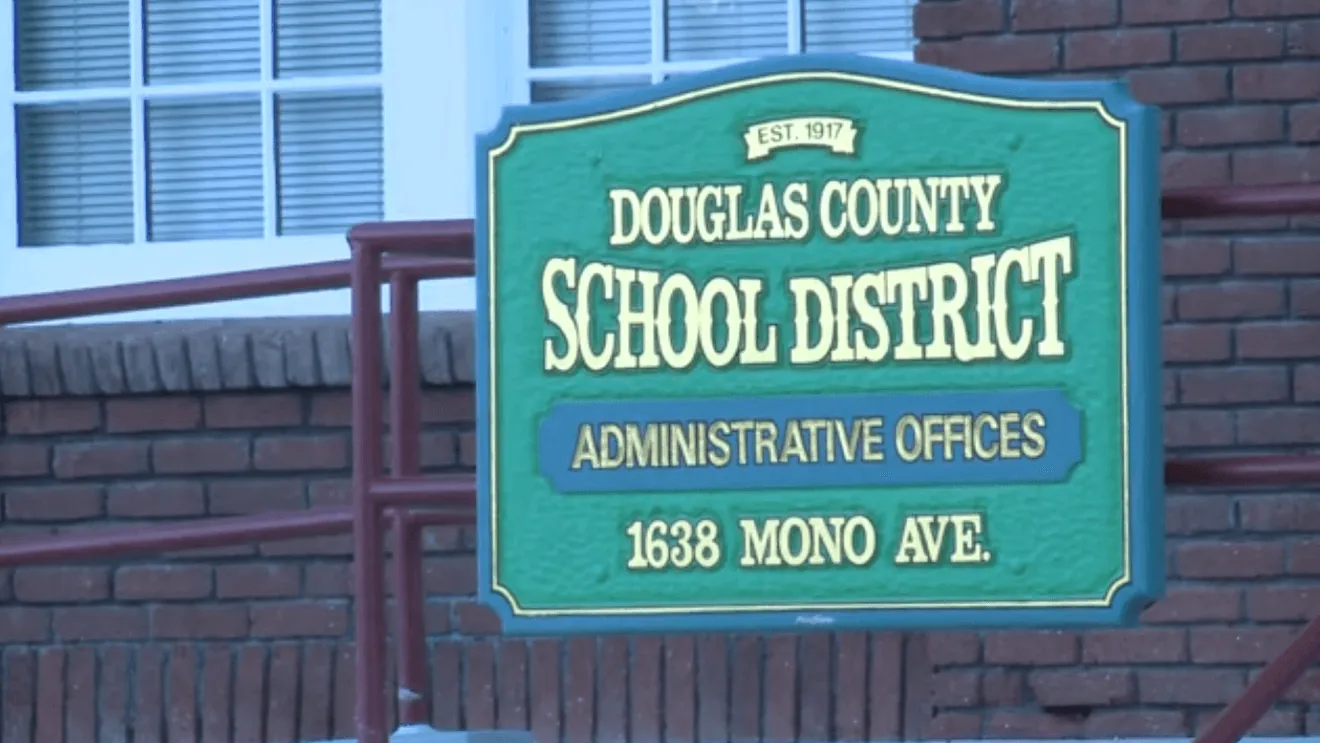
MINDEN, NV — This case is not a typical phishing scam, but it shows how sensitive personal data can be exposed when records are shared without proper redaction. In Douglas County, Nev., school employees say personnel files released in response to a public records request included Social Security numbers and other private details.
According to court filings and statements from the people involved, the request sought information about five school staff members. The requester said he wanted to learn more about their credentials after a long-running dispute involving his eighth-grade son. He later said he did not initially notice the missing redactions and eventually returned the original documents after the district contacted him.
The employees say the exposure has had lasting effects. Scott Colato, a teacher at Carson Valley Middle School, said his file contained his full Social Security number, signature, cell phone number, email address, and references. He and his wife said they later saw suspicious activity and have since been checking accounts regularly for signs of fraud.
The warning signs
- Unexpected account alerts, including purchases or withdrawals you did not make.
- Mail or emails about new accounts, credit checks, or changes to existing accounts that you did not request.
- Messages from banks or card issuers asking you to confirm activity you do not recognize.
- Missing or delayed notices about a records release, data breach, or credit-monitoring offer.
- Personal details showing up in documents that should have been redacted, such as Social Security numbers or signatures.
- A sudden need to verify your identity more often than usual because a thief may already have key information.
If you've already paid or shared information
- Contact your bank or credit card company right away if you see charges you do not recognize, and ask about dispute or fraud procedures.
- Change passwords on accounts that may be tied to the exposed information, especially email and financial logins.
- Place a fraud alert or freeze on your credit if your Social Security number or other identifying information was exposed.
- Review your bank, card, and credit reports closely for unfamiliar activity, new accounts, or address changes.
- Report the incident to the Federal Trade Commission at ReportFraud.ftc.gov.
- If a school district, employer, or other organization notified you, keep copies of every letter, email, and case number in one place.
How to protect yourself
- Ask organizations that hold your records how they redact Social Security numbers and other sensitive details before releasing files.
- Use strong, unique passwords for every important account so one exposed password does not open multiple accounts.
- Turn on account alerts from your bank and credit card issuer so suspicious charges are flagged quickly.
- Consider reviewing your credit reports regularly if your personal information may have been exposed in a records release.
- Be cautious with phone calls, texts, and emails that use personal details to sound legitimate, since thieves often rely on stolen identity data.
- Keep physical paperwork secure, including old pay stubs, tax records, and benefit forms that may contain sensitive information.
The bottom line
The Douglas County case is a reminder that identity exposure does not always begin with a criminal hacker. Sometimes private information is released because records were handled carelessly.
For older adults and other consumers, the safest response is to act quickly when something looks off, monitor accounts closely, and use the tools available to reduce the risk of more damage. Even when the damage is already done, careful follow-up can help limit the fallout.