How the scam works
PENN FOREST TWP., PA — State police in Pennsylvania are investigating an online scam that reportedly cost a 48-year-old woman in Albrightsville $60,000. The case was logged in Carbon County as a theft by deception complaint, and troopers have not identified a suspect.
Police say the incident was reported in Penn Forest Township, but they have not released the exact method used in the scam. That is often how these schemes are designed to work: they can begin with a message, call, website, or online contact that appears legitimate enough to earn trust.
Once a target is engaged, scammers typically push for quick action, money transfers, or sensitive personal information. Because the details of this case have not been shared publicly, residents should treat it as a reminder to slow down whenever an online contact creates pressure, urgency, or secrecy.
The warning signs
- You are urged to act immediately or told there is no time to verify the request.
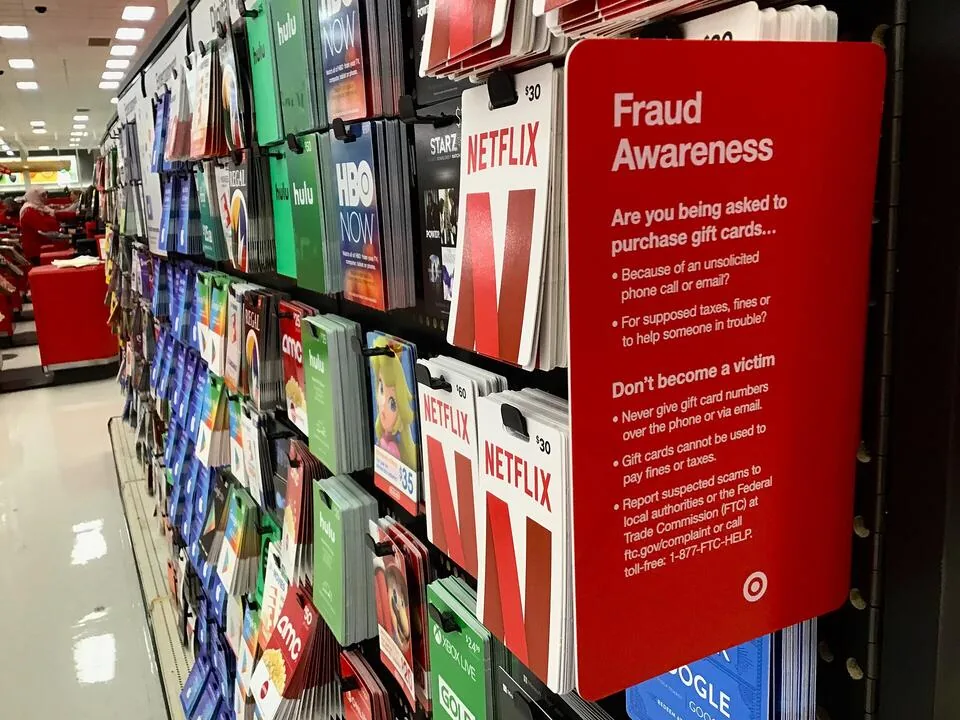
- Someone asks for money through an unusual method, such as a transfer, gift card, or payment app.
- The message or caller claims to represent a bank, business, or official agency but will not be checked independently.
- You are told to keep the matter secret or not to tell family, a bank, or another trusted person.
- The contact wants passwords, one-time codes, account numbers, or other personal details.
- The story changes when you ask questions, or the person avoids giving clear, consistent answers.
If you've already paid or shared information
- Contact your bank, credit card company, or payment service right away and ask what steps can be taken to stop or reverse the transaction.
- Change passwords for affected accounts, especially email, banking, and shopping accounts, and use new passwords that are hard to guess.
- If you shared Social Security, banking, or other sensitive information, place a fraud alert or credit freeze with the major credit bureaus.
- Save screenshots, emails, phone numbers, transaction records, and any messages connected to the scam.
- Report the incident to the Federal Trade Commission at ReportFraud.ftc.gov.
- File a police report with your local law enforcement agency and, if applicable, tell the platform or service where the contact happened.
How to protect yourself
- Pause before sending money or sharing personal details, especially if the contact is unexpected.
- Verify any claim by using a phone number, website, or app you find yourself rather than the one sent to you.
- Never share passwords or one-time verification codes with anyone who contacts you.
- Be wary of any request that combines urgency, secrecy, and pressure to move money quickly.
- Talk with a trusted family member or friend before making financial decisions that arrived through email, text, or social media.
- Keep your accounts protected with strong passwords and two-factor authentication where available.
The bottom line
Police have not said exactly how this Carbon County scam worked, but the reported loss shows how costly online deception can be when a fraudster gains trust. A cautious pause and a separate verification step can stop many scams before money leaves your account.
If you suspect a scam, act quickly, save your records, and report it. Even if the money cannot be recovered, fast reporting can help protect other people from the same scheme.