How the scam works
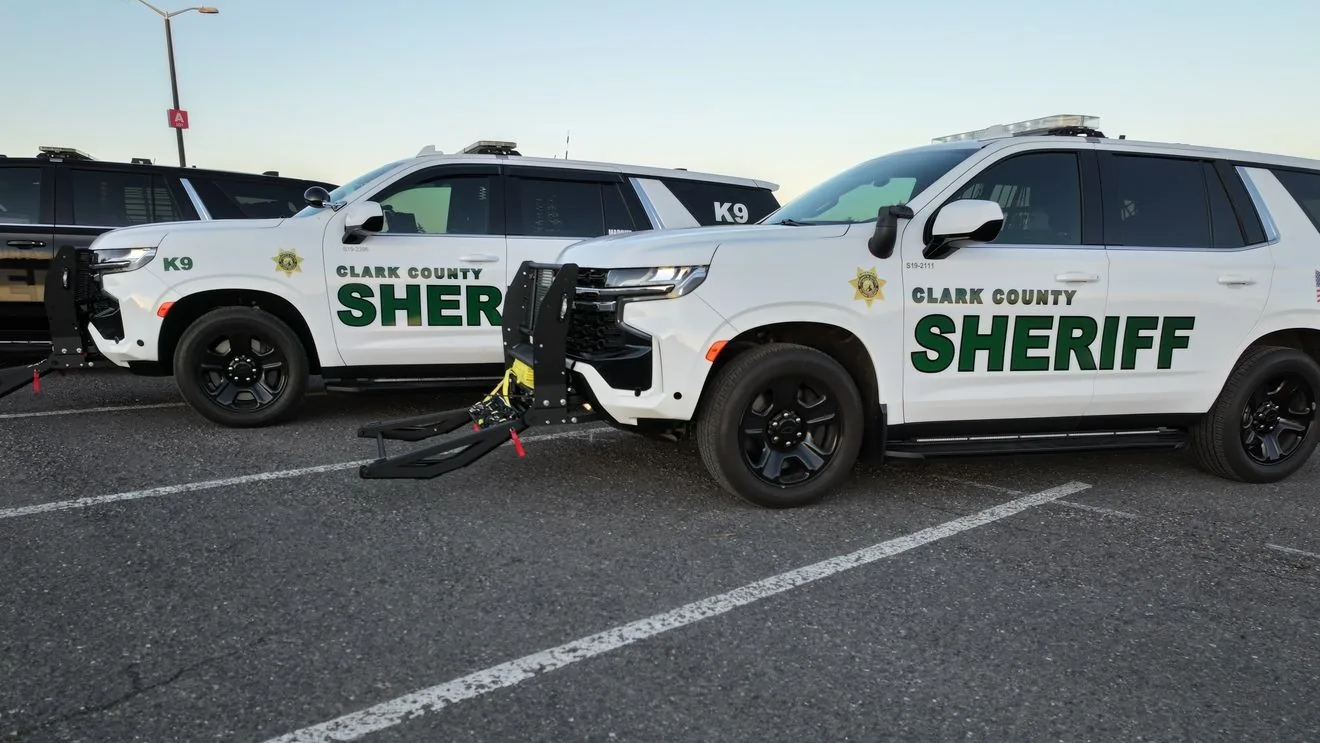
VANCOUVER, WA — Clark County deputies say a fraud scheme led an Iowa man to mail $33,000 in cash through FedEx to an address in Clark County, Washington. Investigators said the package was headed for delivery Tuesday morning, but deputies intercepted it before it reached its destination.
The case began after the man’s family alerted law enforcement. They said he had been caught up in the scam before his death from medical complications, and that he believed he was dealing with Social Security-related fraud.
Authorities say the pattern fits a familiar playbook: a caller or message creates urgency, claims there is a problem with a government account or financial record, and then pressures the victim to move money quickly. In some cases, scammers push people to mail cash, send gift cards, or hand over banking details instead of using a normal payment method.
The warning signs
- A stranger asks for cash to be mailed, delivered, or handed off in person.
- The message creates panic by claiming your Social Security benefits, account, or identity is at risk.
- You are told to act immediately and keep the request secret.
- The person will not verify their identity through an official number you look up yourself.
- You are pressured to move money in an unusual way, such as a package shipment or wire transfer.
- The request comes with vague details and no clear paperwork from a legitimate agency or company.
If you've already paid or shared information
- Contact your bank, credit union, or card issuer right away and explain that you may be dealing with fraud.
- If you shared passwords or account access, change those passwords immediately and update any security questions.
- Consider placing a fraud alert or credit freeze with the major credit bureaus if personal information was exposed.
- Save texts, emails, tracking numbers, receipts, and any names or phone numbers connected to the request.
- Report the scam to the Federal Trade Commission at ReportFraud.ftc.gov.
- If money was mailed, delivered, or transferred, contact the company involved as soon as possible and ask whether the transaction can be stopped or traced.
How to protect yourself
- Slow down whenever someone claims there is an emergency involving your benefits, taxes, identity, or bank account.
- Never send cash in the mail in response to an unsolicited request, even if the message sounds official.
- Hang up or delete the message, then contact the real agency or company using a phone number from its official website or statement.
- Do not trust caller ID alone, because scammers can make a call look local or familiar.
- Ask a trusted family member or friend to review the request before you send money or share information.
- Keep your Social Security number, account numbers, and passwords private unless you initiated the contact and verified the recipient.
The bottom line
Deputies say the recovered cash shows how convincing these scams can be, especially when they target older adults or people dealing with government-related concerns. The safest response is to stop, verify, and avoid sending money the moment a stranger pressures you.
If you are ever told to mail cash or keep a financial matter secret, treat that as a warning sign. A legitimate agency or business will not require you to solve a problem by putting thousands of dollars into a package.