How the scam works
NEW YORK, NY — This case is not a classic consumer scam, but it is the kind of breach that can lead to scams later. JPMorganChase said third parties that provide services to the bank were targeted in a cyberattack, and the attackers may have reached marketing data kept by those vendors. That information could include some customer names and email addresses.
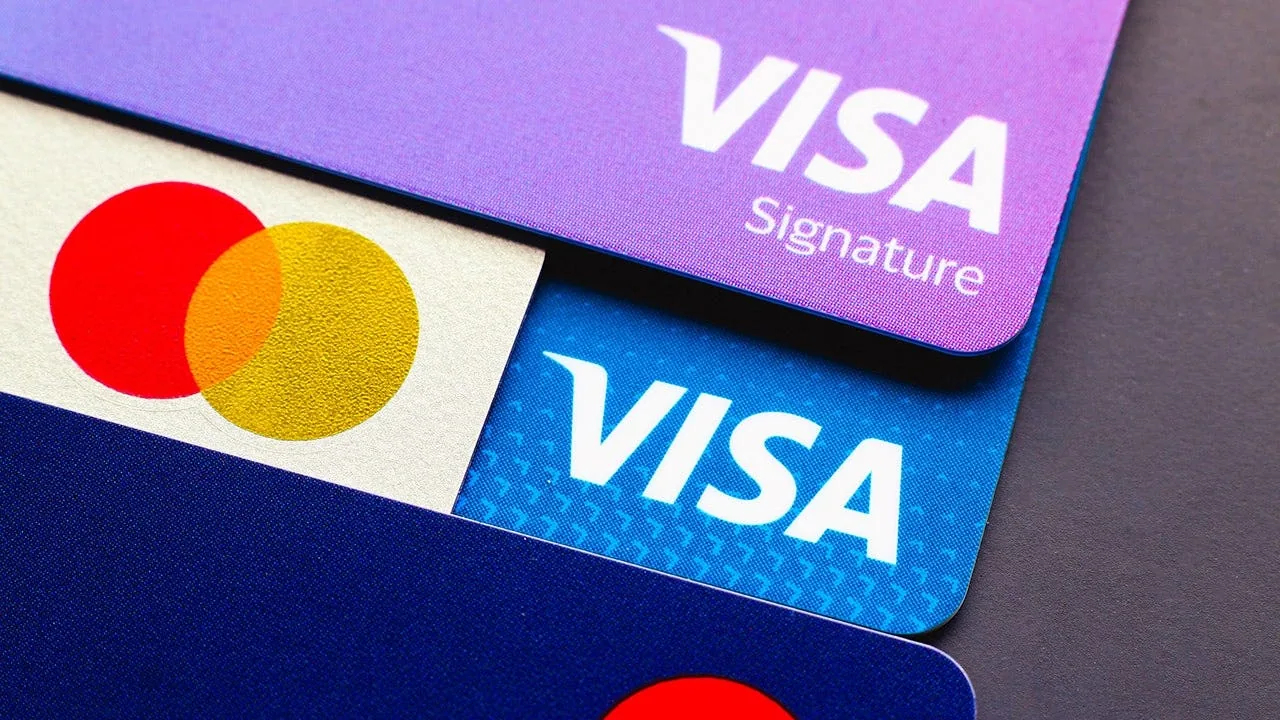
Mastercard said a third-party provider also experienced a breach that exposed a limited amount of email addresses tied to a small subset of cardholders in a specific benefit program. Visa said a separate third-party incident in Asia Pacific did not affect its systems or payment data, including card numbers. In all three cases, the companies said their payment networks were not impacted.
The risk for consumers is that stolen contact information can be used in follow-up phishing emails, fake account alerts, or other messages that try to trick people into sharing passwords, card numbers, or one-time codes. Even when payment systems are safe, criminals often use exposed names and email addresses to make fraudulent messages look more believable.
The warning signs
- Emails that claim to be from your bank or card company and ask you to click a link immediately.
- Messages that mention account problems but use generic greetings or awkward wording.
- Requests for passwords, PINs, security codes, or full card numbers by email or text.
- Pressure to act fast, threatening account closure, frozen access, or lost rewards.
- Sender addresses or phone numbers that look slightly different from the real company contact information.
- Offers of refunds, credits, or “verification” that lead to a website asking for personal details.
If you've already paid or shared information
- Contact your bank or card issuer using the phone number on the back of your card or on an official statement.
- Change passwords on any accounts that may share the same login details as the account you use for banking or card access.
- Turn on account alerts so you can spot unusual logins, transfers, or card activity quickly.
- Check your statements and recent transactions for anything you do not recognize.
- Report the scam or suspicious contact to the FTC at ReportFraud.ftc.gov.
- If personal information was exposed, consider placing a fraud alert or credit freeze with the major credit bureaus.
How to protect yourself
- Do not trust an email or text just because it mentions a bank, card brand, or recent account activity.
- Go directly to the company’s official website or app instead of using links in a message.
- Use strong, unique passwords for financial accounts and enable two-factor authentication whenever possible.
- Be wary of calls or messages that ask you to confirm a code sent to your phone, since that code may be the key to your account.
- Review privacy and notification settings so you know which messages your bank or card issuer will actually send.
- Delete suspicious emails after reporting them, and never reply with personal or payment information.
The bottom line
JPMorganChase, Mastercard and Visa say their payment systems were not affected by these third-party incidents, but exposed contact information can still be useful to scammers. That is why consumers should stay alert for follow-up phishing attempts that borrow the names of trusted financial brands.
If you receive a message about your account, slow down and verify it through a known, official channel. A few careful checks can help keep a limited data exposure from turning into a much bigger problem.