How the scam works
WASHINGTON, DC — Fake online stores are getting harder to spot because artificial intelligence can now help scammers build polished websites in a fraction of the time it once took. The Better Business Bureau says the biggest change is not in how these sites function, but in how legitimate they look to shoppers.
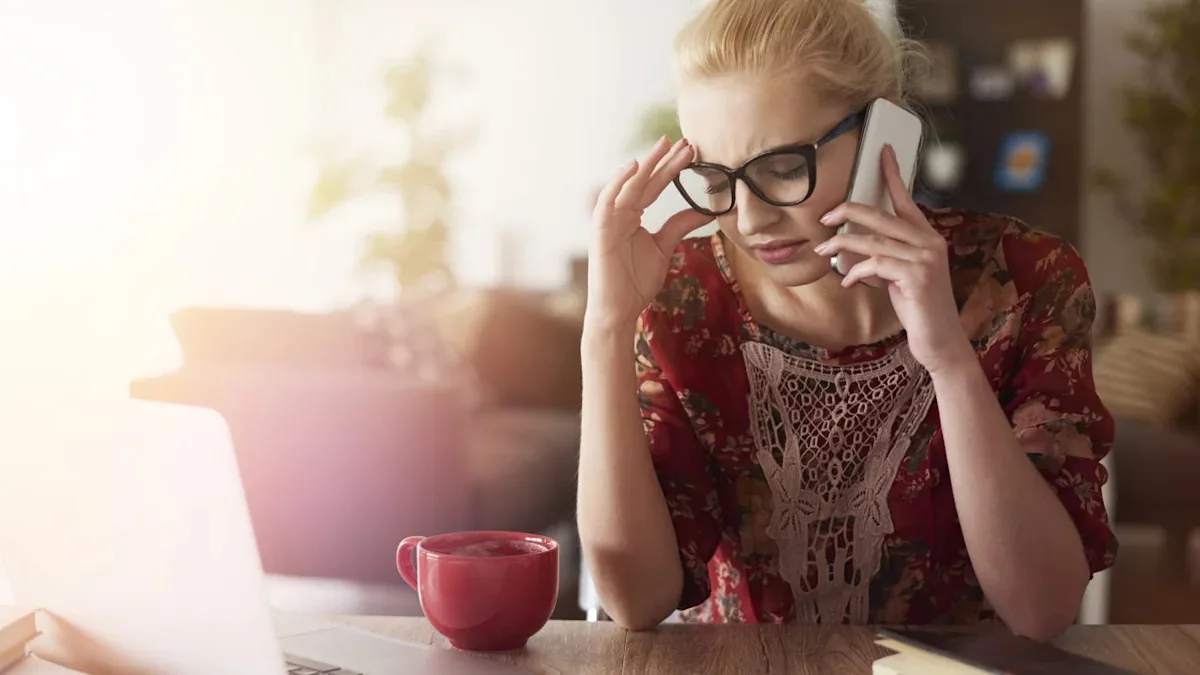
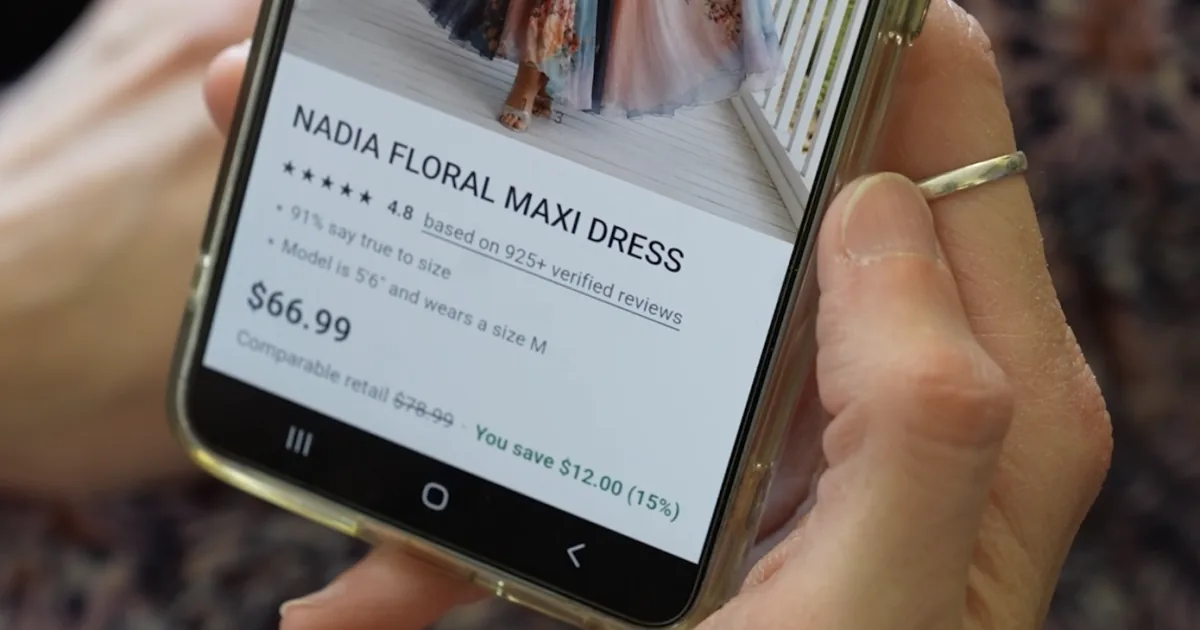
That matters because many people shop on social media and video platforms, where an ad can appear to offer a bargain from a brand they have never heard of. One buyer, Eva Borho, clicked on a YouTube ad for a $66 floral dress that looked elegant online, but the item that arrived was so poor she said she had to laugh to keep from crying.
BBB investigator Josh Planos said AI has erased many of the old clues that used to reveal a scam. Awkward wording, blurry photos, and clumsy website design are no longer reliable warning signs, because scammers can now generate convincing product images, glowing reviews, and a sleek storefront with very little effort.
The warning signs
- The web address is slightly off, uses extra characters, or closely imitates a well-known retailer.
- The site looks polished, but the company name is unfamiliar and hard to verify.
- The product page is full of five-star reviews that may have been written by AI.
- The seller lists a physical address, but it is difficult to confirm that the business is actually there.
- The only way to contact the company is through a web form, with no working phone number or clear customer service line.
- The deal looks unusually attractive, especially when an ad appears inside a social media feed or video platform.
AI has made fake shopping pages look more trustworthy on the surface, so appearance alone is no longer enough to judge a seller. The BBB says shoppers should pay closer attention to the details behind the site rather than the design in front of them.
If you've already paid or shared information
- Contact your bank or card issuer right away to ask about stopping or disputing the charge.
- Change any passwords linked to the shopping account if you reused login information anywhere else.
- Watch your statements closely for additional charges that you do not recognize.
- Freeze your credit if you shared sensitive personal information that could be used for identity theft.
- Report the scam to the FTC at ReportFraud.ftc.gov so investigators can track the fraud pattern.
- Also file a complaint with the BBB Scam Tracker so the warning can help other shoppers.
In Borho’s case, the return offer made the loss feel unavoidable. The seller gave her a return address in China, and shipping would have cost $40 to $50 on a $66 dress, which made returning it nearly pointless.
If the business has gone quiet, keep copies of emails, screenshots, order confirmations, and tracking information. Those records can help when you contact your bank, payment app, or consumer protection agencies.
How to protect yourself
- Inspect the web address carefully for misspellings, extra characters, or other signs that the domain is trying to imitate a trusted brand.
- Search the company on BBB.org before entering payment details, especially if you found the product through an ad.
- Verify that the seller lists a real phone number and a physical address you can independently confirm.
- Be skeptical of glowing reviews, since AI can produce large numbers of fake testimonials very quickly.
- Do not let professional-looking photos or a clean website override your instincts about the seller behind the page.
- Remember that complaints filed after the purchase may not shut a fake site down, so pre-purchase checks matter most.
The BBB says shoppers should look past the gloss and professionalism that scam sites now use as a shield. A polished design, convincing photos, and even a U.S.-style address do not prove the business is real.
The organization also found that online purchase scams now account for nearly 30% of its fraud reports, and nearly 9 in 10 people who reported those scams said they lost money. That makes careful checking before you buy far more important than trying to recover funds later.
The bottom line
AI has made fake stores look more believable, but the basic rule has not changed: research the seller, not just the product. A good-looking ad, a professional site, and enthusiastic reviews are no guarantee that a business is legitimate.
If something feels off, slow down and verify the company before you click buy. That small pause can help protect your money, your personal information, and your peace of mind.