Warning lede
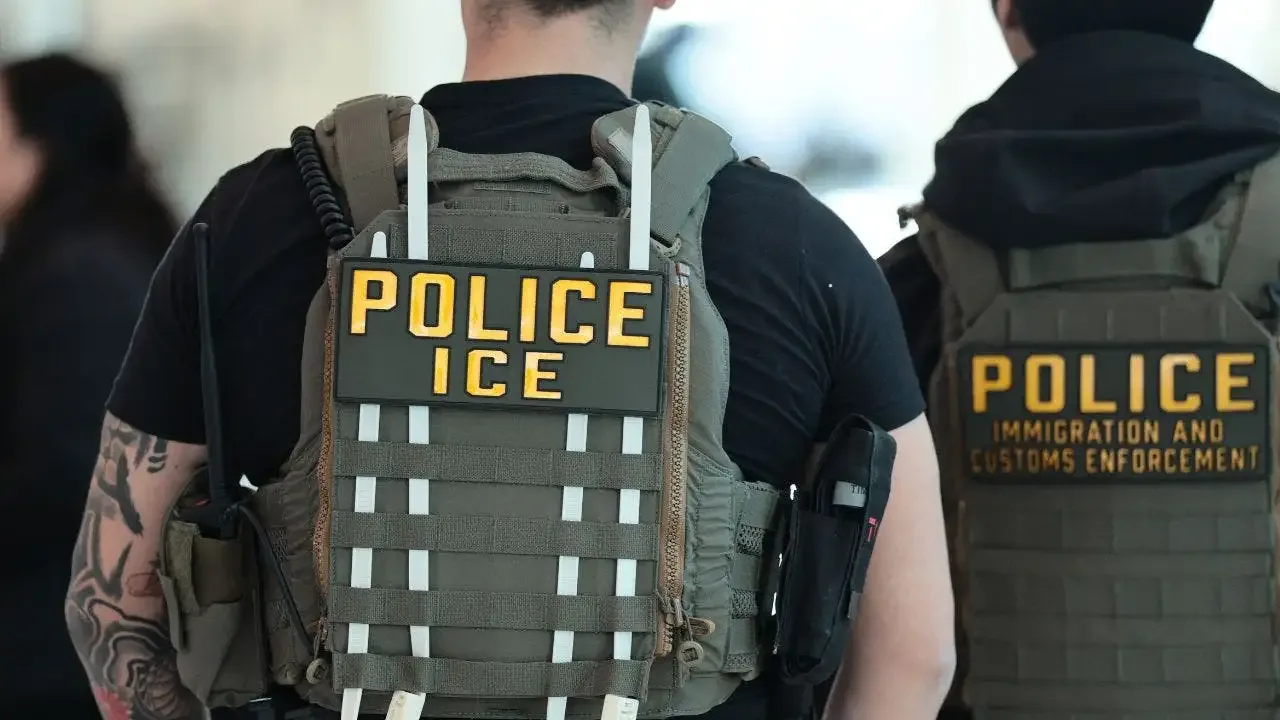
LINCOLN CITY, OR — Police in Lincoln City are warning residents about a financial scam that pressures people into paying money after being told they could be arrested by the FBI. Investigators say one local victim recently lost $50,000 after believing the threat was real. The scam works because it creates panic fast, then pushes the target to act before they can verify anything.
Authorities say these schemes often arrive by phone or email and are designed to sound official. The payment demands may involve gift cards, cryptocurrency, gold bars, or even a courier sent to pick up cash. That mix of fear and urgency can make even careful people move too quickly.
How the scam works
Lincoln City police say the latest fraud reports involve scammers contacting people and claiming there is a serious problem that must be fixed right away. In some cases, the caller pretends to be connected to law enforcement, a government agency, or another trusted organization. The goal is to make the victim feel they must pay immediately to avoid arrest or another penalty.
The FBI says these criminals often ask for payment in ways that are hard to trace. Gift cards are a common choice because once the numbers are shared, the money is usually gone for good. Cryptocurrency and gold bars can also be used because they make it harder for banks and law enforcement to intervene quickly.
Another tactic is to tell the person not to discuss the call with anyone else. That isolation helps the scammer keep control of the conversation and prevents the victim from getting a second opinion. Police say the combination of secrecy, urgency, and unusual payment methods is a major warning sign.
The warning signs
- The caller or email sender says you will be arrested unless you pay immediately.
- You are told to pay with gift cards, cryptocurrency, gold bars, or cash picked up by a courier.
- The person says you must not tell family, friends, your bank, or anyone else.
- You are pressured to act right away and not take time to think or check the story.
- The explanation for the payment does not make sense or changes when you ask questions.
- The contact claims to be from the FBI, a retailer, or another authority but uses strange payment instructions.
If you've already paid or shared information
- Contact your bank or credit card company right away and explain what happened.
- If you shared passwords or account details, change them immediately.
- If you gave out personal information, monitor your accounts for unfamiliar activity.
- Consider placing a freeze on your credit if sensitive financial information was exposed.
- Save texts, emails, phone numbers, gift card receipts, and any payment records.
- Report the scam to the FTC at ReportFraud.ftc.gov and to local police.
- If you bought gift cards, contact the card issuer as soon as possible and give them the card numbers if you still have them.
How to protect yourself
- Pause any time a caller uses fear, urgency, or secrecy to push you into paying.
- Hang up and verify the request through a phone number you look up yourself, not the one the caller gives you.
- Remember that legitimate agencies do not normally demand gift cards or cryptocurrency as payment.
- Discuss suspicious calls or emails with a trusted family member or friend before acting.
- Be especially careful with any message that says you must keep it confidential.
- Learn the red flags now so your response is automatic when a scammer tries to create panic.
The bottom line
Police and the FBI say this scam succeeds when people are rushed into handing over money before they have time to think. The safest response is to stop, verify, and refuse any payment demand that does not make sense.
If a caller threatens arrest, asks for gift cards, or tells you to keep the conversation secret, treat it as suspicious. A quick pause can be enough to keep a fraudster from getting your money.