How the scam works
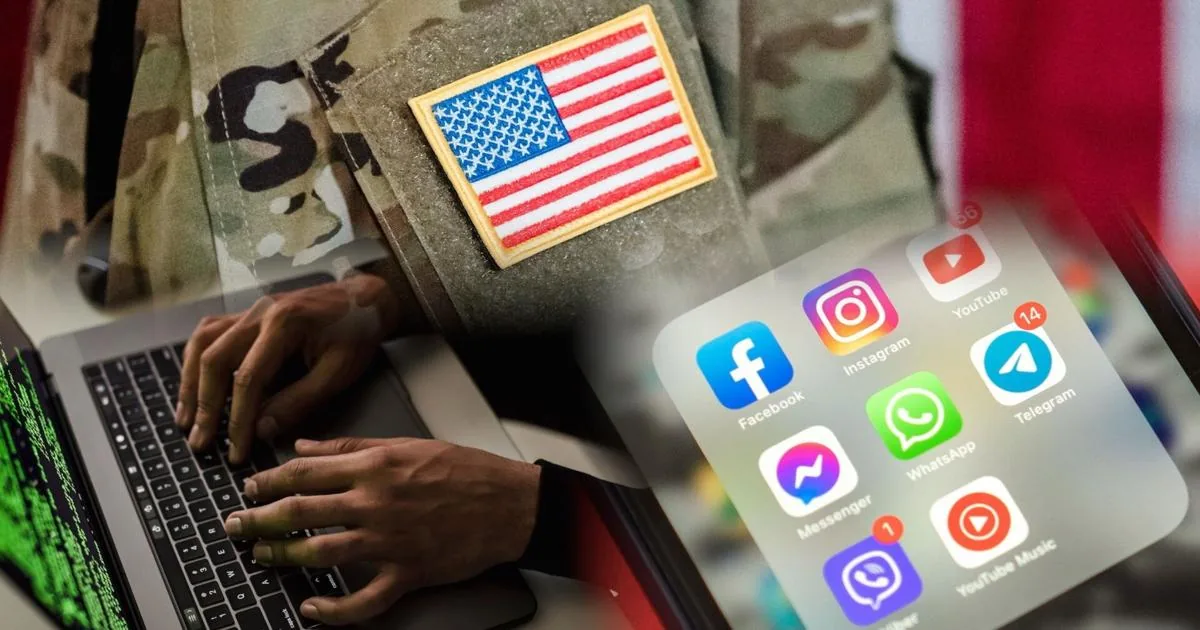
WASHINGTON, DC — The Federal Trade Commission is warning veterans about scammers who use social media to make contact, then use military-related details to sound trustworthy. They may study a person’s profile, borrow service language, and build fake identities that look convincing enough to start a conversation.
Once they have someone’s attention, the pitch can shift to supposed veteran grants, benefits help, or other offers that seem official. In some cases, the scammer claims to be connected to the U.S. Department of Veterans Affairs and sends people to a fake website that asks whether they “qualify” for assistance.
The real aim is not to help. It is to collect sensitive information such as VA login credentials, Social Security numbers, and other personal details that can be used for fraud.
The warning signs
- The person reaches out unexpectedly on social media and quickly brings up military service or veteran benefits.
- The profile looks polished but has limited history, few real connections, or details that do not match up.
- The message uses military jargon or personal service references to build trust too fast.
- You are told about a grant, benefit, or financial opportunity that sounds unusually easy to get.
- The person claims to work for the VA but directs you to a website that is not clearly the official VA site.
- You are asked for login credentials, a Social Security number, or other sensitive information before anything is verified.
If you've already paid or shared information
- Contact your bank, credit card company, or payment app right away if you sent money or shared financial details.
- Change passwords for any accounts that may have been exposed, especially if you reused the same password elsewhere.
- Watch for unusual account activity and consider placing a fraud alert or credit freeze if your personal information was shared.
- Report the scam to the FTC at ReportFraud.ftc.gov so investigators can track the pattern.
- If the scam involved veterans’ benefits or a fake VA claim, verify your information and next steps through official VA channels as soon as possible.
- Keep copies of messages, usernames, phone numbers, links, and screenshots in case you need them for a report.
How to protect yourself
- Review the privacy settings on your social media accounts so strangers can see less of your profile.
- Limit the amount of military or personal background information you post publicly.
- Verify any offer involving VA benefits, grants, or assistance at VA.gov before responding.
- Use the VA’s accreditation search tool to check whether someone helping with a benefits application is recognized by the VA.
- Be wary of investment ideas or money advice from people you met online, even if they seem knowledgeable.
- Never let someone you met through social media pressure you into sending money or sharing sensitive information.
The bottom line
Scammers often rely on trust, and military service can make their stories feel more believable. That is why veterans should slow down, check the details, and move any benefits questions to official channels.
A message that sounds helpful is not proof that it is real. When in doubt, verify the offer through VA.gov or report suspicious activity through the FTC and veteran fraud hotlines listed by officials.