How the scam works
TUPELO, MS — Romance scams usually start with a believable online profile, often built around stolen photos and a made-up backstory. The fake person may claim to be widowed, working overseas, or stuck in a job that keeps them away from meeting in person. Those details are designed to create sympathy and make the relationship feel urgent and real.
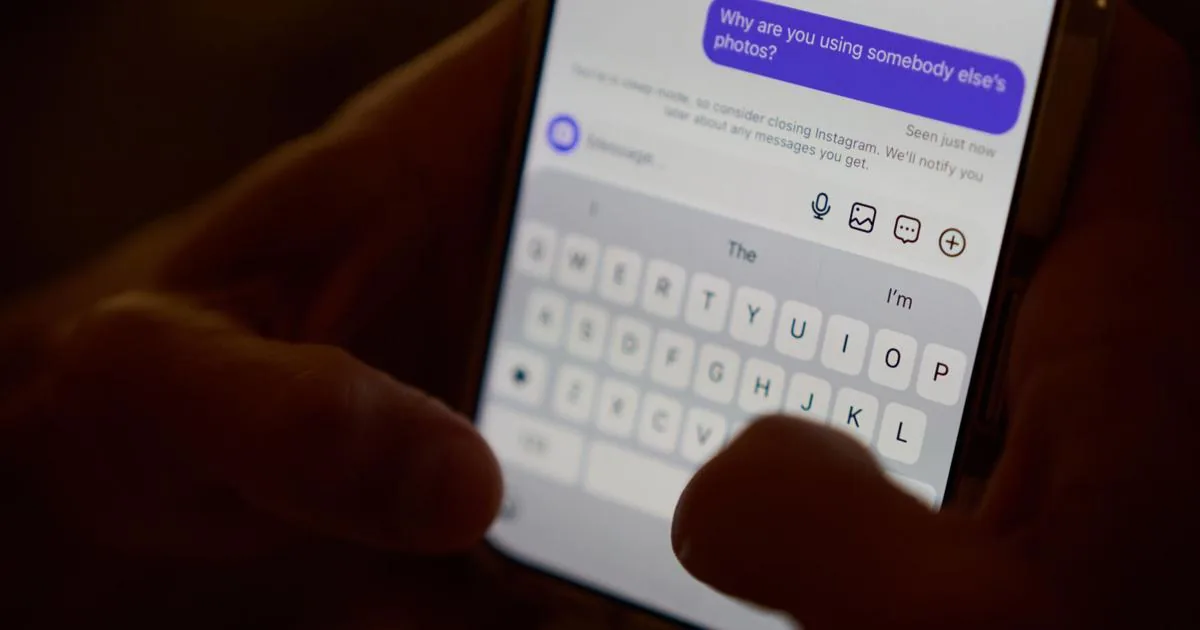
In one case described by the Associated Press, scammers used photos of Hunter Bigham, a father of three in Tupelo, Mississippi, to create hundreds of fake accounts. Some profiles used names such as Vince, Roberto, and Henry Clerk, and many claimed he was an oil worker or other traveling professional. The goal was to win trust first, then ask for money or other help once the relationship felt established.
The damage does not stop with the people who send money. The real person whose image was stolen can be flooded with messages, threats, and demands from angry victims who think that person is the scammer. That can turn a fraud meant to fool one victim into a long-running harassment problem for the innocent person pictured in the fake account.
The warning signs
- The person wants to move quickly from a chat app, dating site, or social media platform into a private relationship.
- The profile picture looks unusually polished, generic, or inconsistent with the person’s story.
- The person says they are working far from home, at sea, or overseas and cannot meet in person.
- Their messages become emotional fast and push for trust before any real-world verification.
- They eventually ask for money, gift cards, wire transfers, crypto, or help with an emergency.
- Details in the story do not line up, and the person resists video calls, live photos, or other proof they are real.
If you've already paid or shared information
- Contact your bank, card issuer, or payment app right away and explain that you may have been scammed.
- Stop sending money or personal documents, even if the other person pressures you to continue.
- Change passwords for any account that may have been exposed, especially email, social media, and banking logins.
- Turn on extra account security, such as two-factor authentication, if it is available.
- Check your credit reports and consider placing a credit freeze if you shared Social Security or other sensitive information.
- Report the scam to the FTC at ReportFraud.ftc.gov and, if appropriate, to the platform where the profile appeared.
How to protect yourself
- Be cautious when someone you have never met in person develops strong feelings very quickly.
- Search profile photos and names for signs of reuse, inconsistent details, or duplicate accounts.
- Use video chat and independent verification before trusting claims about identity, work, or location.
- Never send money to someone you have only met online, no matter how convincing the story sounds.
- Be careful with the personal photos you post publicly, because scammers can steal them to build fake accounts.
- Talk with a trusted friend or family member before taking any step that involves money, passwords, or private documents.
The bottom line
Romance scams are harmful not only because they drain victims’ savings, but because they can also trap innocent people whose pictures are stolen and reused. The fake profile may look polished and caring, but the story behind it is often a script built to manipulate emotion.
Slow down, verify before you trust, and treat requests for money or sensitive information as a major warning sign. If you have already been drawn in, act quickly to protect your accounts and report the fraud before more damage is done.