How the scam works
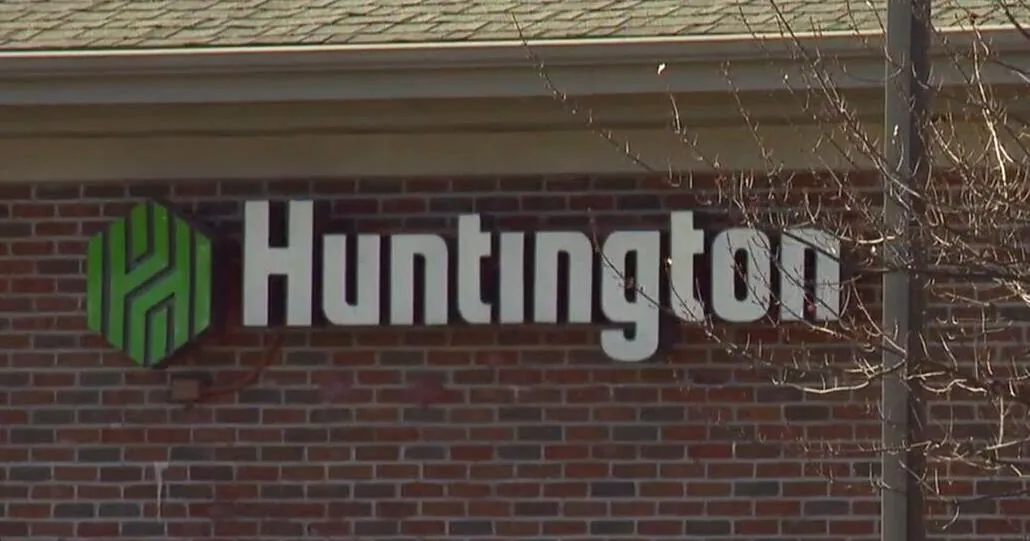
SAGINAW, MI — This scam targets bank customers with a phone call that looks and sounds official. In this case, a woman in the Saginaw area says the caller claimed to be a Huntington Bank employee and warned that her account had fraudulent activity.
The call appeared to come from Huntington Bank, which made it harder to spot as fake. The caller then urged her to move money quickly through Zelle or a wire transfer, saying the funds would be protected while the bank tried to figure out who was taking money from the account.
That sense of urgency is exactly what scammers rely on. When people believe they are speaking with a real bank representative and are told their money is in danger, they may act before stopping to verify the request.
According to the woman, she went to a Huntington branch while out of state and completed two transfers totaling $9,000, one to Bank of America and another to PNC Bank. By the time she realized the call was part of a scam, the money was gone.
The warning signs
- The caller claims to be from your bank but pressures you to act immediately.
- The phone number on caller ID appears to match the bank, but that alone is not proof the call is real.
- You are told to send money by Zelle, wire transfer, or another fast payment method.
- The person on the phone asks you to keep the call private or discourages you from checking with the bank yourself.
- The caller says your account has been compromised and tries to create fear or confusion.
- You are asked to move money before you have time to verify the request through a trusted channel.
If you've already paid or shared information
- Contact your bank right away and report the transfer or account activity as a fraud concern.
- Ask the bank what steps it can take to review the transaction and secure your accounts.
- Change passwords and PINs for online banking, email, and any other accounts tied to your money.
- Turn on account alerts so you can track new logins, transfers, and withdrawals as soon as they happen.
- Freeze your credit if you believe personal information was exposed and you want extra protection against new accounts being opened in your name.
- Report the scam to the Federal Trade Commission at ReportFraud.ftc.gov.
How to protect yourself
- Hang up and call your bank back using the number printed on your card or found on an official statement.
- Do not trust caller ID alone, because scammers can make a call look like it is coming from a real business.
- Never move money to “safe” accounts or share banking codes because someone on the phone says it is urgent.
- Slow down before taking any action, especially if the caller wants you to use Zelle or a wire transfer.
- Ask a local branch employee or a family member you trust to help verify suspicious requests before you send money.
- Review your account activity often so you can catch unusual transfers or login attempts quickly.
The bottom line
Fraudsters are using a convincing bank-phone tactic to trick customers into sending money themselves, which can make the loss harder to reverse. The familiar number, the urgent warning, and the promise that funds will be protected are all part of the setup.
The safest approach is to pause, verify the request through a number you trust, and never let pressure replace caution. If a caller is truly from your bank, the institution should understand why you want to double-check before moving money.