How the scam works
LAKE COUNTY, FL — This story is not about a scammer posing as a school official, but it does show how a routine records request can turn into a privacy emergency. Lake County school officials say an employee accidentally sent a parent a link to unredacted files that contained confidential student information.
According to the district, the mistaken upload happened while staff were responding to a public records request. Instead of sending the redacted versions, the employee provided access to eight files with education records, individualized education plans, and disability information tied to roughly 47,000 students.
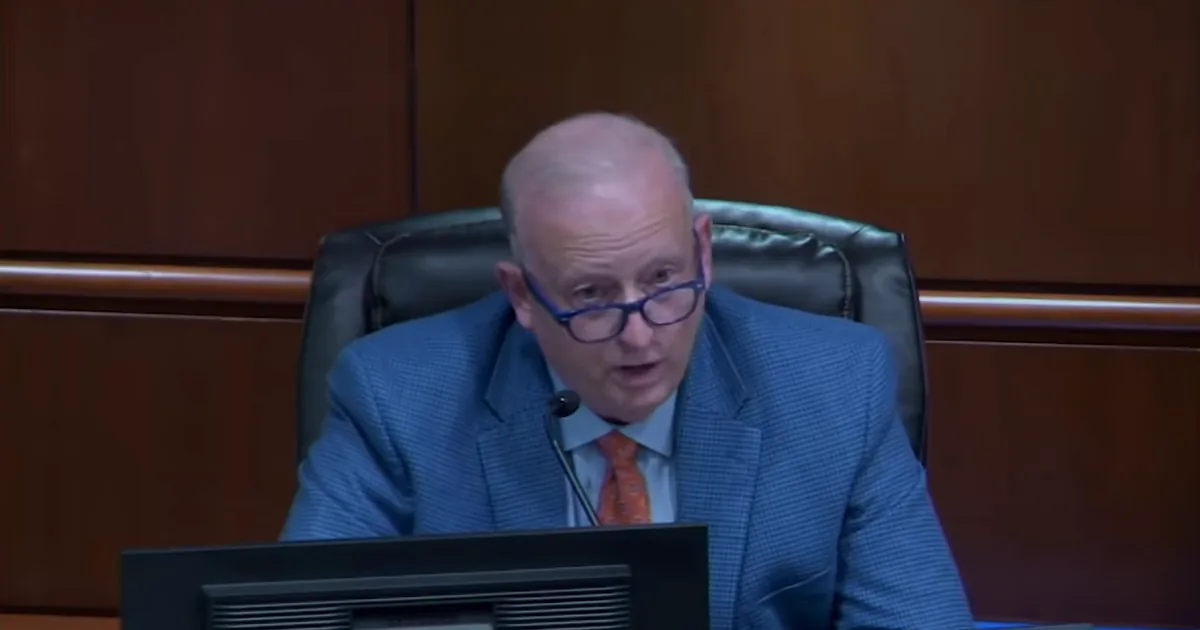
The district says it learned of the problem after the release and immediately asked the parent to destroy the files. School board attorney Scott Cole said the district’s goal is to stop any further sharing and to recover or delete the material wherever it may still exist.
The warning signs
- You receive a link or file set from a school, district, or agency that seems larger than the request you made.
- The document appears to contain names, disability details, grades, or other student information that should have been blacked out.
- You are told the material is sensitive, confidential, or not meant for broader release after it has already been sent.
- Someone asks you to destroy records quickly, especially before you have had time to review what was shared.
- You are pressured to keep the material private without a clear written explanation of what was released.
- The file appears to include information about many people, not just the records you expected to receive.
If you've already paid or shared information
- Stop opening, forwarding, or uploading the files any further.
- Contact the organization that sent the records and ask for written instructions about deletion or return.
- If the leak exposed your own information, change passwords tied to any related accounts right away.
- Watch bank, email, and school-related accounts for unusual activity if the records included personal details.
- Consider placing a fraud alert or credit freeze if the exposed data could be used to impersonate you.
- Report suspicious misuse of personal information to the FTC at ReportFraud.ftc.gov.
How to protect yourself
- When you request records, limit the request to only what you truly need.
- Review any files you receive before saving or sharing them, especially if they came from a public agency.
- Keep sensitive documents in secure folders and delete copies you no longer need.
- If you handle records for a school, business, or nonprofit, double-check redactions before sending anything out.
- Use strong, unique passwords and turn on two-factor authentication for email and cloud storage.
- Be cautious when a file link arrives by email, because one wrong click or upload can expose far more than intended.
The bottom line
This case is a reminder that confidential records can be exposed through a simple human mistake, not just a hacking attack. When that happens, the damage can spread quickly if the files are copied or forwarded before anyone notices.
For families, the best protection is to stay alert to unexpected documents and ask questions right away if a file appears to include information that should have stayed private. For agencies, careful review and redaction remain the first line of defense.