Holiday shoppers are being warned about gift card fraud
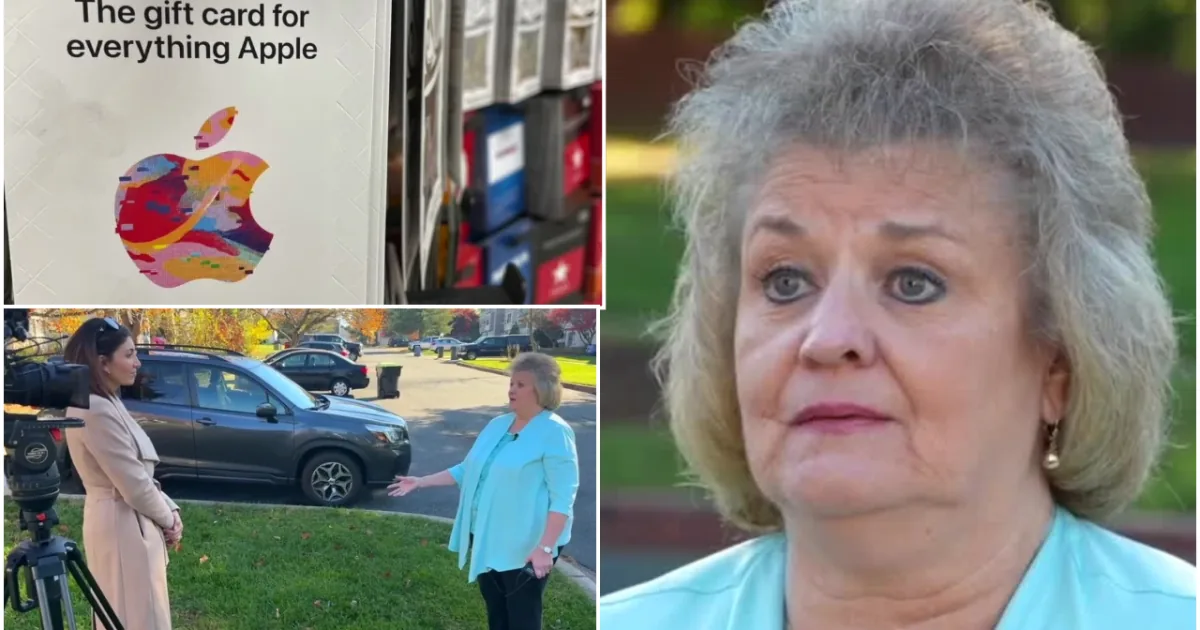
BEL AIR, MD — Gift cards are a popular holiday purchase, and that makes them a favorite target for scammers. In one recent case, a Maryland woman says someone used her Walmart.com account to buy hundreds of dollars in Apple gift cards without her permission.
Fraud tied to gift cards can happen in more than one way. Thieves may break into an online account and make purchases, or they may tamper with physical cards on store racks so the money is gone before the gift is even given.
That combination of convenience and urgency is what makes the scam work. People are often rushing to shop, and scammers count on them not spotting warning signs until the money is already at risk.
How the scam works
In the online version, a criminal gets access to a shopper’s account and uses stored payment information to buy gift cards. In the Maryland case, the shopper says an email alert showed an Apple gift card purchase through an account she had not used in months, followed by additional attempts that were canceled.
Once the cards are bought, they can be sent to an email address the victim does not know or used in ways that are hard to trace. The owner of the account may not notice right away, especially if alerts are missed or if the purchases blend in with normal online activity.
A separate version happens in stores. Criminals may tamper with cards on the rack, steal the card numbers or alter the packaging, and then return the card to the shelf. When a shopper loads money onto that card, the scammer can later drain the balance. Homeland Security Investigations has linked some of these operations to Chinese organized crime groups that resell goods bought with stolen gift card funds overseas.
The warning signs
- An email or text says gift cards were bought from an account you do not use or did not authorize.
- You see several gift card purchases in a short time, especially if they are for odd amounts.
- The cards are sent to an unfamiliar email address or a destination you do not recognize.
- Store-bought cards show tears, damaged PIN coverings, loose packaging, or stickers that look out of place.
- A barcode looks altered, scratched, or covered in a way that seems unusual.
- Someone pressures you to buy gift cards quickly, says it is urgent, or tells you to share the numbers and PINs.
If you've already paid or shared information
- Contact the gift card company right away and ask whether the funds can be frozen or refunded.
- Keep the card, receipt, packaging, and any emails or screenshots that show what happened.
- Report the loss to your bank or card issuer if the payment came from a debit or credit account.
- Change passwords on shopping, email, and financial accounts if you think someone may have accessed them.
- Turn on extra account alerts so future charges or sign-ins are easier to spot.
- Report the scam to the FTC at ReportFraud.ftc.gov, even if some time has passed.
How to protect yourself
- Check gift cards carefully before buying them and look for signs of tampering on the card and its packaging.
- Buy cards kept behind the register when possible, or use the retailer’s official website if you shop online.
- Do not buy a gift card to pay a bill, citation, or debt, because legitimate businesses and government agencies do not demand payment that way.
- Never share a gift card number or PIN with anyone you do not trust completely.
- Use strong, unique passwords for shopping accounts and turn on two-factor authentication whenever it is available.
- Review your bank and retailer alerts often during the holidays so suspicious purchases are caught quickly.
The bottom line
Gift card scams remain common because they can be fast, confusing, and hard to unwind once the money is gone. The good news is that quick action can sometimes limit the damage, especially if funds have not yet been spent.
Careful shopping habits, strong account security, and a healthy dose of caution can go a long way. If a purchase or payment request feels rushed or unusual, stop and check it before you hand over money or card details.