How the scam works
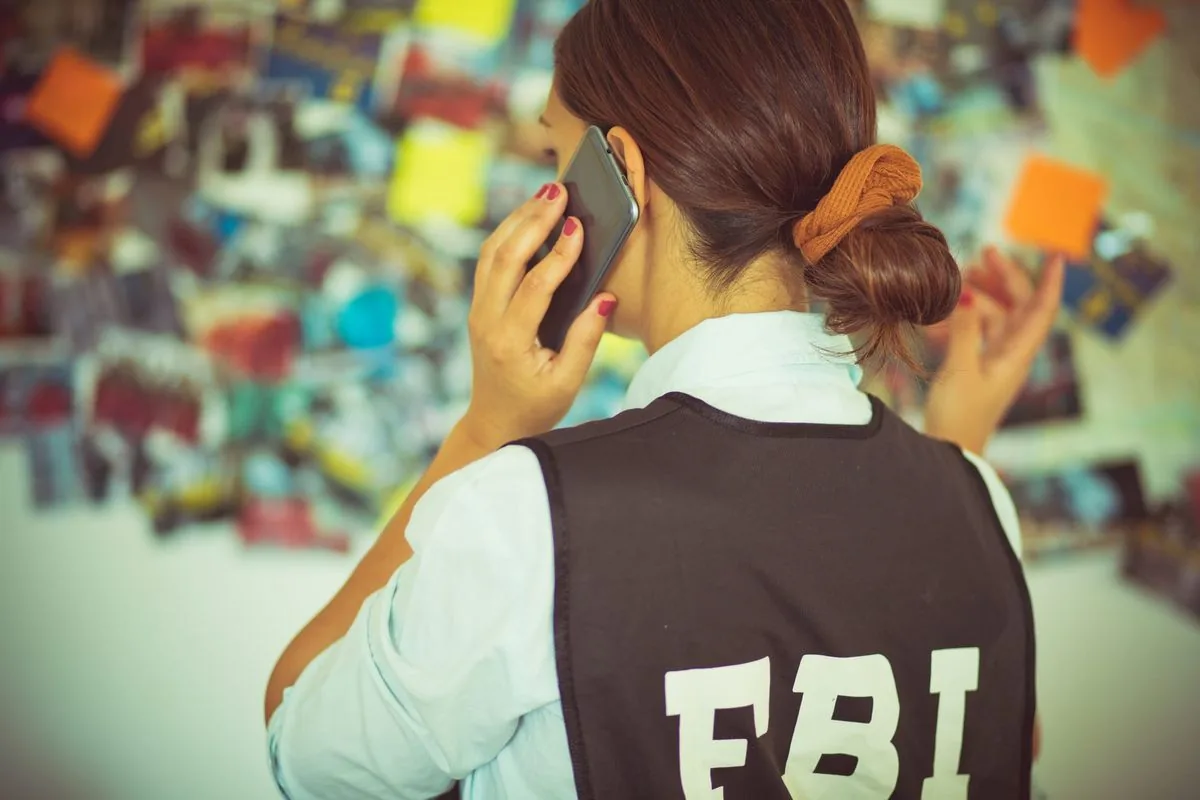
WASHINGTON, DC — Federal prosecutors say the FBI ran an undercover operation against a Florida-based company that claimed to provide data recovery services for ransomware victims. According to the case, agents posed as both a person hit by ransomware and a threat actor to see how the business would respond.
The company was run by defendant Juan Ricardo Palacio Escobar and an unnamed business associate. Prosecutors say the operation began in 2020 and was presented as a service meant to help people regain access to files after a ransomware attack.
That setup matters because ransomware victims are often desperate, tired, and under pressure to act quickly. Scammers can use that urgency to sell fake help, promise access to locked files, or push people into sharing sensitive information before they have time to verify who they are dealing with.
The warning signs
- Someone claims they can recover files after a ransomware attack but offers little clear proof of how the process works.
- The business pressures you to move fast or says an offer is only good right now.
- You are asked for personal, payment, or account details before the company has been verified.
- The seller will not clearly explain who they are, where they are based, or what exact services they provide.
- The pitch sounds too certain, especially if it promises guaranteed recovery or a quick fix after a serious cyberattack.
- You are urged to trust a stranger who contacted you first after news of an attack or data breach.
These warning signs do not always prove fraud on their own, but they should slow you down. Any company that wants access to your data, money, or systems should be carefully checked before you share anything.
If you've already paid or shared information
- Contact your bank or card issuer right away if you sent money or gave payment information.
- Change passwords for any accounts that may have been exposed, especially if you reused the same password elsewhere.
- Turn on extra account security where possible, including multi-factor authentication.
- Keep copies of emails, receipts, texts, and any other records connected to the interaction.
- Report the scam to the FTC at ReportFraud.ftc.gov.
- If the situation involves a business account or work system, notify your organization’s security team immediately.
If you shared login information, the safest move is to treat those credentials as compromised. Act quickly so any unauthorized access can be blocked before it spreads to more accounts or devices.
How to protect yourself
- Verify any ransomware recovery company through independent research before agreeing to a contract or sending information.
- Be cautious of any firm that reaches out first after a cyberattack, because unsolicited help can be a warning sign.
- Do not rush into a decision just because a message sounds urgent or frightening.
- Use strong, unique passwords so one compromised account does not open the door to others.
- Back up important files regularly so you have your own copy if malware locks your data.
- Discuss suspicious cyber-related offers with a trusted person or IT professional before responding.
People targeted after a ransomware attack are often under stress, which makes them more vulnerable to fast-moving pitches. Taking a pause to verify a company can make the difference between legitimate help and another scam layered on top of the first problem.
The bottom line
Federal prosecutors say this case involved an undercover FBI operation aimed at a Florida company that claimed to help ransomware victims recover data. The allegations show how scammers can try to profit from the fear and confusion that follow a cyberattack.
The safest approach is to slow down, check out any recovery service carefully, and avoid sharing money or information with anyone you cannot verify. A little caution can protect both your files and your finances when the pressure is high.