How the scam works
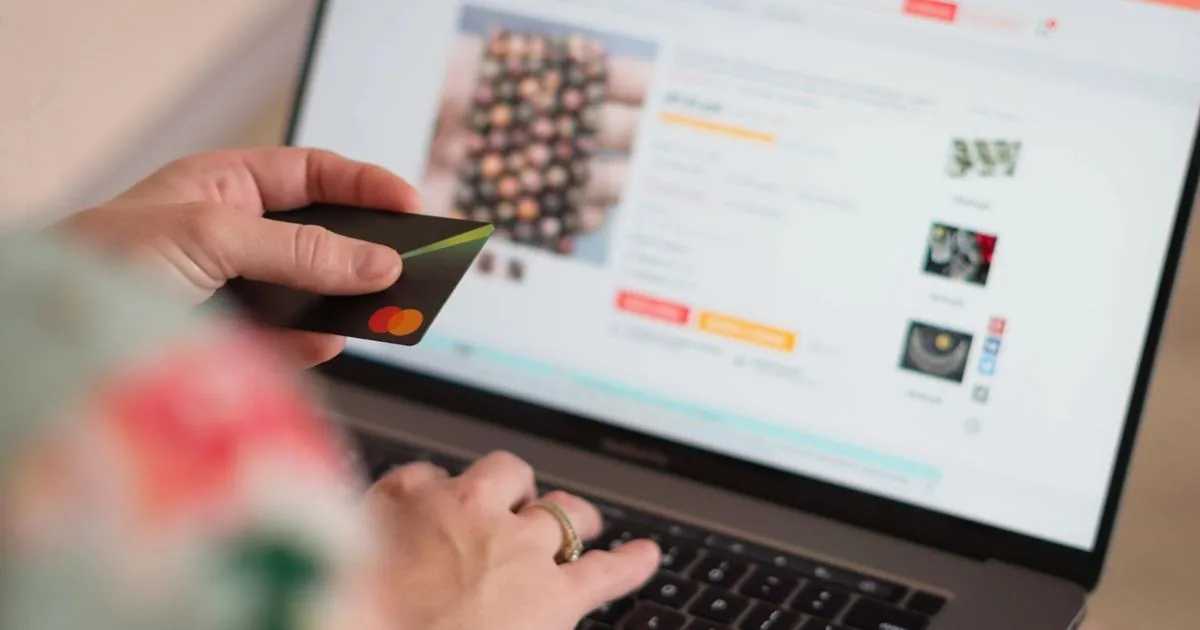
DETROIT, MI — Fake online stores are spreading fast as holiday shoppers look for gifts, deals, and last-minute bargains. The scam often starts with a social media ad or search result that looks like a real retailer, complete with product photos, size charts, return policies, and convincing branding.
Once a shopper clicks through, the site may push a limited-time deal that seems hard to pass up. After the buyer enters payment information, the store may take the money and send nothing at all, ship a cheap imitation, or disappear before the customer can get help.
Fraudsters are also using artificial intelligence to make these stores look more professional than older scam sites. That means the photos, models, and product pages can appear polished enough to fool people who are used to spotting misspellings or blurry images.
The warning signs
- The deal looks far better than prices at stores you already know and trust.
- The website feels new or unfamiliar, yet it claims to sell popular brand-name items.
- Many unrelated products are priced at nearly the same amount, which can be a sign of fake “lazy pricing.”
- The site has weak contact information, no real customer service number, or no clear way to reach the company.
- Reviews, complaint searches, or the Better Business Bureau show problems tied to the name, URL, or product.
- The seller pressures you to act fast, and the checkout page appears before you have time to verify the company.
If you've already paid or shared information
- Contact your bank or credit card company right away to report the charge and ask about dispute options.
- Change passwords for any account that may have been reused on the shopping site.
- Watch your statements closely for unfamiliar purchases, especially during the holiday season.
- Freeze your credit if you shared sensitive personal information that could be used for identity theft.
- Report the scam to the Federal Trade Commission at ReportFraud.ftc.gov.
- Keep copies of receipts, emails, screenshots, order numbers, and any messages from the seller or payment processor.
How to protect yourself
- Go directly to a retailer’s website by typing the address yourself instead of tapping ads in social media posts.
- Check the URL carefully and make sure the site is the official business, not a look-alike with a slight spelling change.
- Search the company name along with words like complaints, reviews, and scam before you buy.
- Be skeptical of prices that are far below what the item sells for elsewhere, especially on hot holiday gifts.
- Use a credit card rather than a debit card when possible, because cards often offer stronger dispute protections.
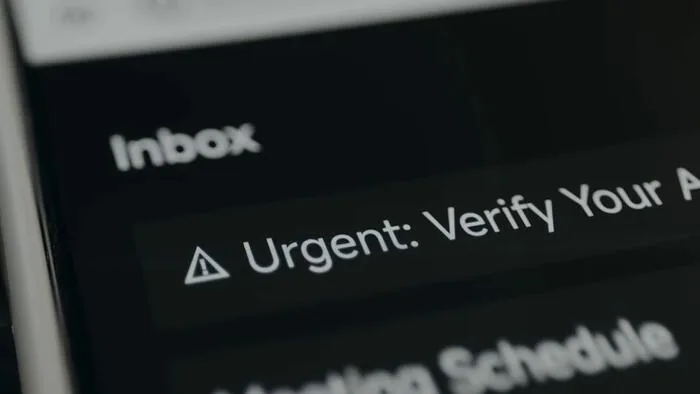
- Never respond to package-delivery texts, fraud alerts, or payment requests by clicking links in the message.
The bottom line
Holiday scam stores are trying to catch shoppers when they are busy, distracted, and looking for a bargain. The safest approach is to slow down, verify the seller, and avoid paying through a link that arrived in a text or social media ad.
If something looks unusually cheap or unusually polished, take a second look before you buy. A few extra minutes of checking can help protect your money, your card number, and your personal information.