How the scam works
BRAZORIA COUNTY, TX — Scammers are posing as sheriff’s deputies, police officers and federal agents to frighten people into paying money they do not owe. In one recent case, a Brazoria County woman was told she had missed federal jury duty, had two warrants out for her arrest and needed to pay a $10,000 bond to avoid being detained.
The tactic is designed to create panic fast. The caller used her real phone number, address and email, then sent a fake arrest warrant by email while keeping her on the line so she would not have time to check the facts on her own.
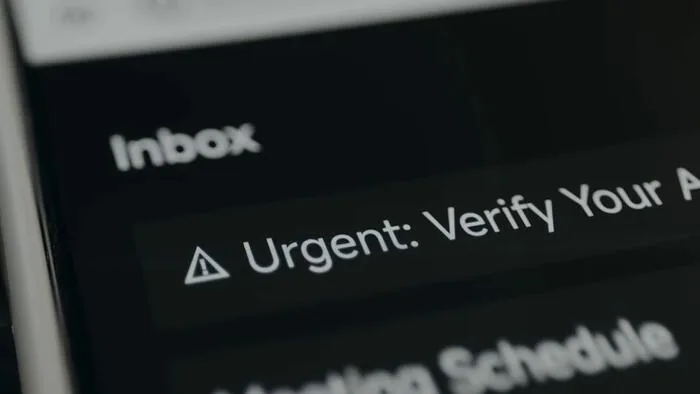
Fraudsters often rely on caller ID spoofing, which makes a real agency number appear on the screen. They may also use official-looking emails, case numbers and government seals to make the story seem legitimate, even when none of it is real.
The warning signs
- Someone claims to be law enforcement or a court official and says you will be arrested unless you pay immediately.
- The caller keeps you on the phone and pressures you not to hang up or verify the details.
- You are told to pay with an unusual method, such as a wire transfer, payment app, gift card, prepaid card or cryptocurrency.
- The message includes threats, urgency or a deadline that is meant to make you act before thinking.
- A phone number, email or website looks official, but the request does not match how the agency normally operates.
- The person seems to know personal details, but you still cannot confirm the claim through an independent source.
If you've already paid or shared information
- Contact your bank, credit card company or payment app right away and ask whether the transaction can be stopped or reversed.
- If you gave out a password, change it immediately and update any other accounts that use the same login.
- Save the phone number, emails, texts, screenshots and payment records so you have a clear record of what happened.
- Report the scam to the FTC at ReportFraud.ftc.gov, even if you did not lose money.
- If you shared financial or personal information, monitor your accounts closely and consider asking your bank about extra safeguards.
- Use the agency’s official published number to confirm whether the contact was real, and warn family members if the scam is still circulating.
How to protect yourself
- Hang up and call the court, sheriff’s office or company directly using a phone number you look up yourself.
- Remember that official agencies do not usually demand payment over the phone to clear a warrant or jury duty issue.
- Slow down whenever a caller tries to rush you, because urgency is one of the biggest signs of fraud.
- Be skeptical of emails that look official but ask you to act immediately or send money through an unusual channel.
- For family impersonation scams, call the loved one back at a number you already know before sending any money.
- Talk with older relatives about these scams so they know that a familiar phone number or convincing voice can still be fake.
The bottom line
Holiday fraud often works because it mixes fear, urgency and just enough real information to seem believable. A spoofed phone number or a polished email does not prove a caller is legitimate.
The safest response is to stop, verify and use only contact information you find independently. A few minutes of checking can prevent a frightening scam from becoming a costly one.