How the scam works
WASHINGTON, DC — Federal officials are warning Americans about a newer twist on romance fraud: scammers are using real women as part of cryptocurrency schemes to make fake online relationships feel believable. The approach mixes dating-app contact, social media messaging, and short video clips or voice notes that can seem convincing at first glance.
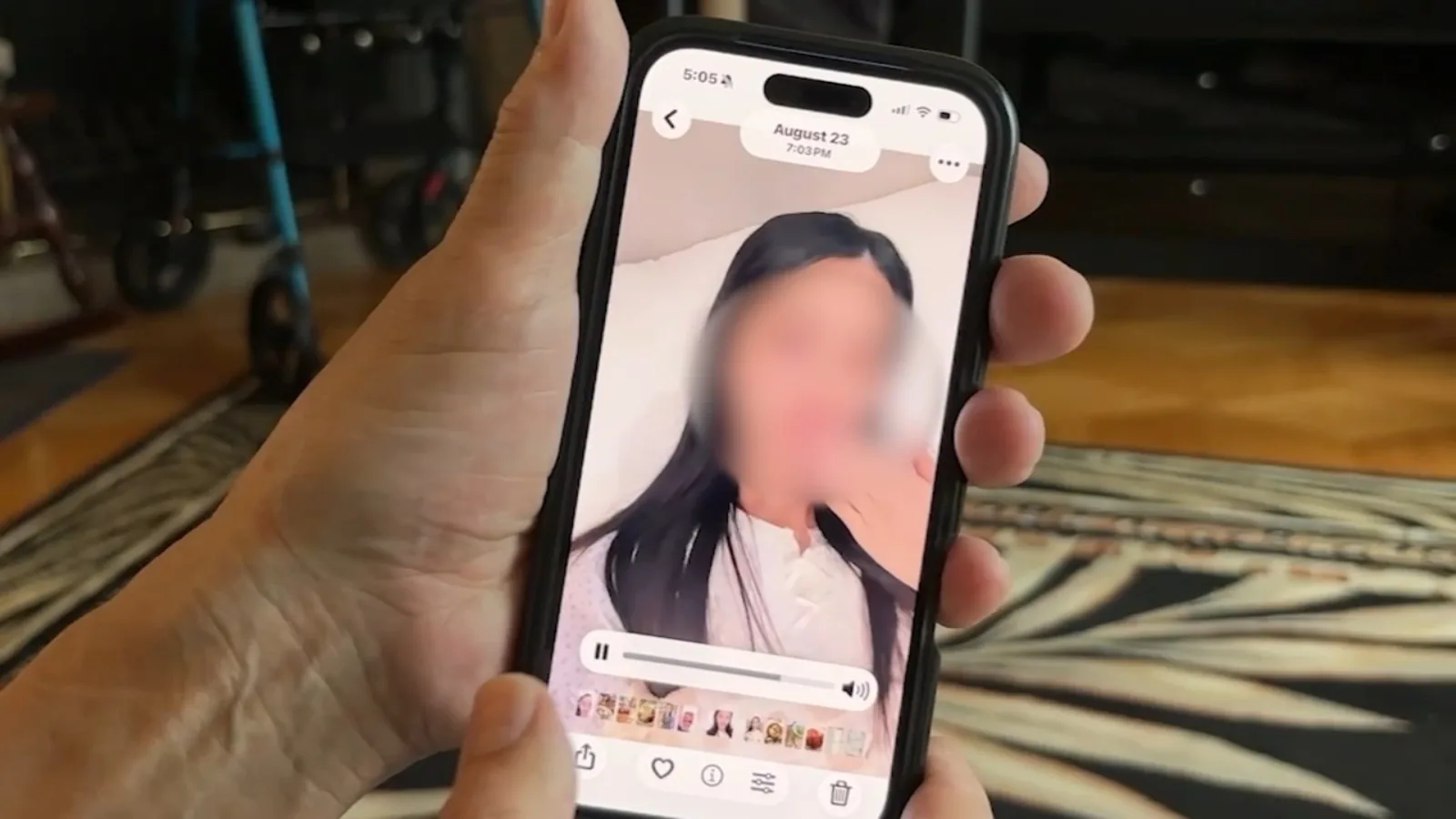
According to the warning, scam organizations may hire human models to pose as women online. Those models send simple messages such as “Goodnight babe” or “I miss you,” then the same clips are reused with other targets to create the impression of an ongoing personal connection. The goal is to build trust before the money request starts.
Once a victim is emotionally invested, the scammers steer the conversation toward crypto investing. They direct people to fake cryptocurrency exchanges that look real but are controlled by the criminals, allowing the money to be taken instead of invested. Consumer advocates say the tactic is especially dangerous because video messages can feel like proof, even when they are not.
The warning signs
- The person you just met online quickly pushes the conversation into romance, trust, or exclusivity.
- You are sent short video clips or voice notes that feel generic, repeated, or oddly scripted.
- The person avoids live video chats, in-person meetings, or other ways to verify identity.
- The conversation shifts from personal talk to investing, especially cryptocurrency, with little explanation.
- You are urged to move money to a platform you have never heard of or do not fully understand.
- Promises of easy gains, fast profits, or special access appear soon after the relationship begins.
If you've already paid or shared information
- Stop sending money right away and do not send more to “unlock” withdrawals or recover losses.
- Contact your bank, card issuer, or payment app immediately and ask about reversing or disputing the transfer.
- Change passwords for email, banking, and social media accounts if you shared login details or clicked suspicious links.
- Turn on extra security features, including two-factor authentication, on any accounts that may be at risk.
- Freeze your credit if you shared sensitive personal information that could be used to open new accounts.
- Report the scam to the FTC at ReportFraud.ftc.gov and save screenshots, usernames, wallet addresses, and messages.
How to protect yourself
- Be cautious with anyone who moves too quickly from small talk to romance, especially on dating apps or social media.
- Remember that a video message does not prove someone is real, trustworthy, or who they claim to be.
- Verify identities through independent steps, such as a live video call or checking whether photos appear elsewhere online.
- Never send money to an online contact who pressures you to invest quickly or keep the relationship secret.
- Research any cryptocurrency platform before putting in money, and be skeptical of guaranteed returns or urgent deadlines.
- Talk with a trusted friend or family member before making an investment decision that feels emotional or rushed.
The bottom line
Romance scams are effective because they target trust, not just money. The addition of real-looking videos and voice notes can make the fraud feel personal, but it does not make it legitimate.
Anyone using dating apps or social media should slow down, verify identities, and treat surprise investment opportunities with caution. A careful pause can be the difference between a normal online conversation and a costly crypto scam.