How the scam works
NEW YORK, NY — Holiday shopping season gives scammers a perfect opening. As Black Friday and Cyber Monday approach, millions of people are hunting for deals, comparing prices, and trying to finish their lists fast. That sense of urgency can make it easier to miss warning signs.
Fraudsters use several common schemes. Some send fake emails or text messages that look like they came from a retailer, shipping company, or payment service. Others create bogus online stores that mimic trusted brands closely enough to fool a hurried shopper into entering a password, card number, or other personal details.
Gift cards are another favorite target. Scammers may sell cards at a supposed discount, steal the numbers from cards on display, or drain the balance after someone loads money onto them. In every version, the goal is the same: get access to money or account information before the shopper has time to verify the deal.
The warning signs
- Unsolicited texts or emails urging you to click a link, log in, or confirm account details right away.
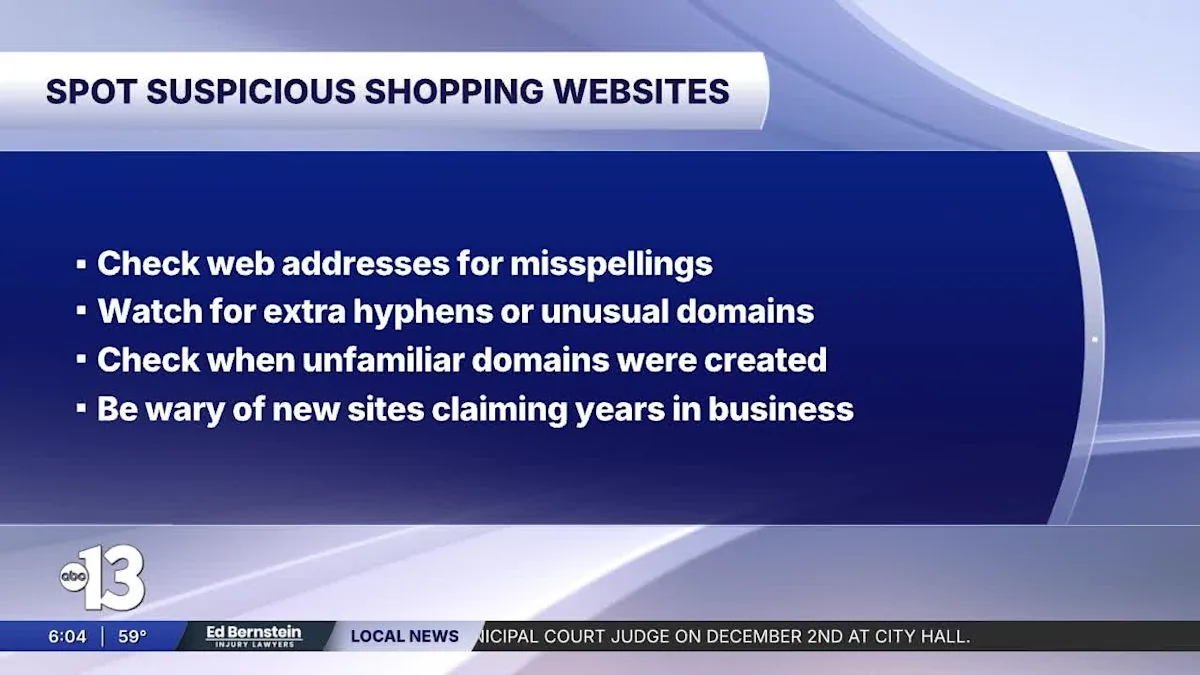
- Messages that claim to be from a familiar retailer but use odd wording, misspellings, or a suspicious sender address.
- Websites or apps that ask for access to your contacts, text messages, stored passwords, or payment information.
- Prices that seem far below normal, especially when the seller pushes you to act immediately.
- Limited, missing, or vague contact information for the company, seller, or customer service team.
- Gift card offers from third-party sellers, or cards that appear to have already been used or tampered with.
If you've already paid or shared information
- Contact your bank or credit union right away to dispute the charge, close the compromised account if needed, and request replacement cards.
- Report the scam to the FTC at ReportFraud.ftc.gov so investigators can track patterns and build cases.
- Change passwords for any affected financial or shopping accounts and turn on multifactor authentication wherever possible.
- Review recent transactions on your bank and credit card accounts and set alerts for unusual activity.
- Consider placing a fraud alert on your credit file or freezing your credit if your personal information may have been exposed.
How to protect yourself
- Shop only on secure websites, and look for a valid web address before entering payment information.
- Ignore links in unexpected emails and texts; open the retailer’s official app or website yourself instead.
- Use a credit card when possible, since it usually offers stronger fraud protections than other payment methods.
- Buy gift cards only from trusted retailers or directly from the retailer’s official website.
- Check reviews and search for signs that a site is legitimate before making a purchase, especially if the deal seems unusually good.
- Pause before responding to a message that creates urgency, because scammers often rely on pressure to keep you from verifying the offer.
The bottom line
Holiday shopping scams thrive when buyers are tired, rushed, and eager to save money. The safest approach is to slow down, confirm the seller, and avoid sending money or personal information through a link you did not seek out yourself.
A few extra minutes of checking can make the difference between a genuine bargain and a costly mistake. If something feels off, trust that instinct and verify the offer through the company’s official website or app before you pay.