How the scam works
WASHINGTON, DC — Holiday shoppers are increasingly running into scams that use artificial intelligence to look polished, timely, and believable. Criminals can build websites that mimic real stores, generate fake product reviews, and even create videos that appear to show celebrities recommending a deal.
The goal is simple: make a fraudulent offer look ordinary enough that a buyer clicks quickly and pays before checking the details. Around the holidays, when shoppers are busy and looking for bargains, those fake discounts can seem especially tempting.
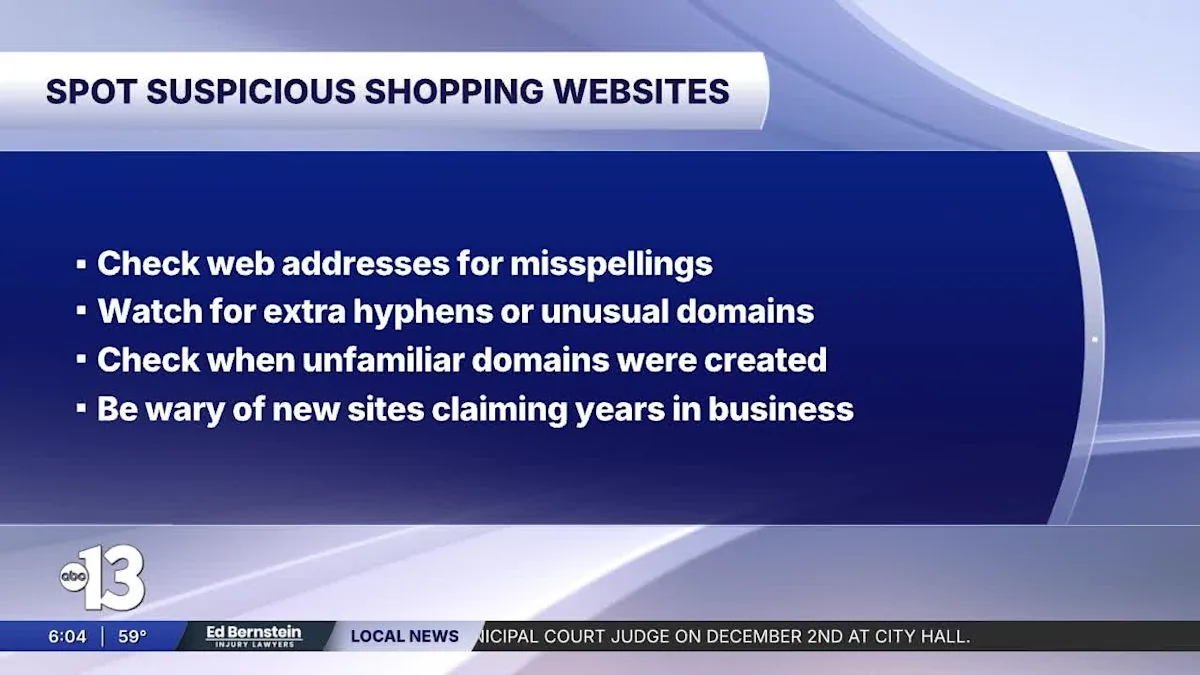
Some of these scams rely on small clues that are easy to miss on a phone screen, including slightly altered web addresses, unrealistic prices, or a store name that looks close to a real retailer. AI helps scammers produce convincing text and images fast, which makes the traps harder to spot than older, obviously sloppy phishing schemes.
The warning signs
- A discount looks far better than what other reputable stores are offering for the same item.
- The website address is misspelled, unusual, or does not match the retailer’s normal domain.
- Reviews sound generic, repetitive, or overly perfect, with little detail about the product.
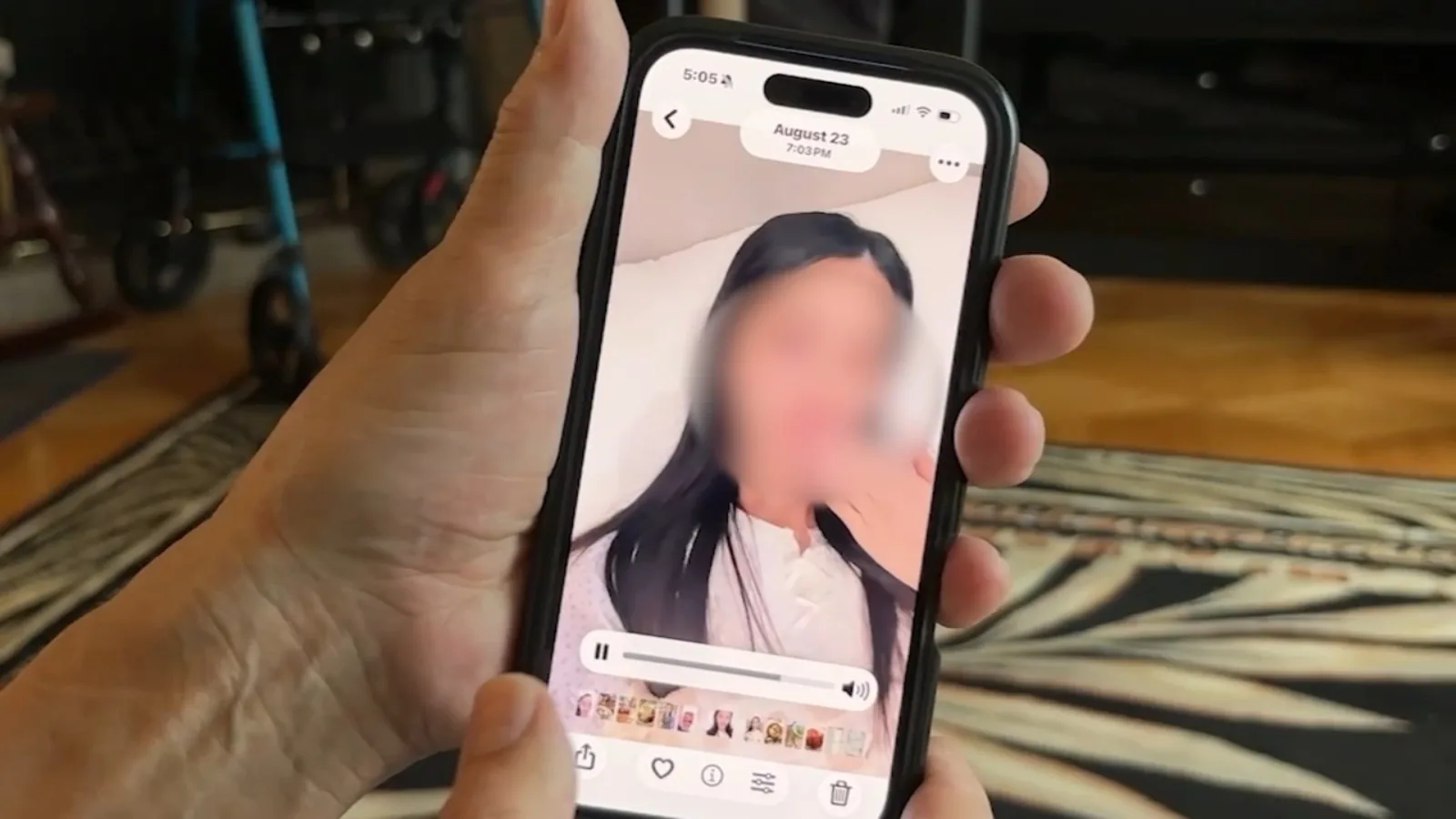
- The site uses celebrity images or endorsement videos that seem out of place or feel rushed.
- The store pressures you to act immediately with messages about limited stock or a countdown timer.
- Payment options seem restricted or unusual, especially if the seller avoids standard checkout methods.
If you've already paid or shared information
- Contact your bank or card issuer right away and ask about disputing the charge or blocking further transactions.
- Change passwords for any account that may have been exposed, especially if you reused the same login elsewhere.
- Watch statements closely for unfamiliar charges and alert your financial institution about anything suspicious.
- If you entered personal information, consider placing a freeze or fraud alert on your credit files.
- Report the scam to the FTC at ReportFraud.ftc.gov so investigators can track the pattern.
- If you used the same password on other sites, update those accounts too so thieves cannot move from one login to another.
How to protect yourself
- Type a store’s web address yourself or use a bookmark instead of clicking unknown ads or links in messages.
- Compare prices across several trusted retailers before buying, and be wary of a bargain that is dramatically lower than the rest.
- Check the seller’s name, contact information, return policy, and reviews before entering payment details.
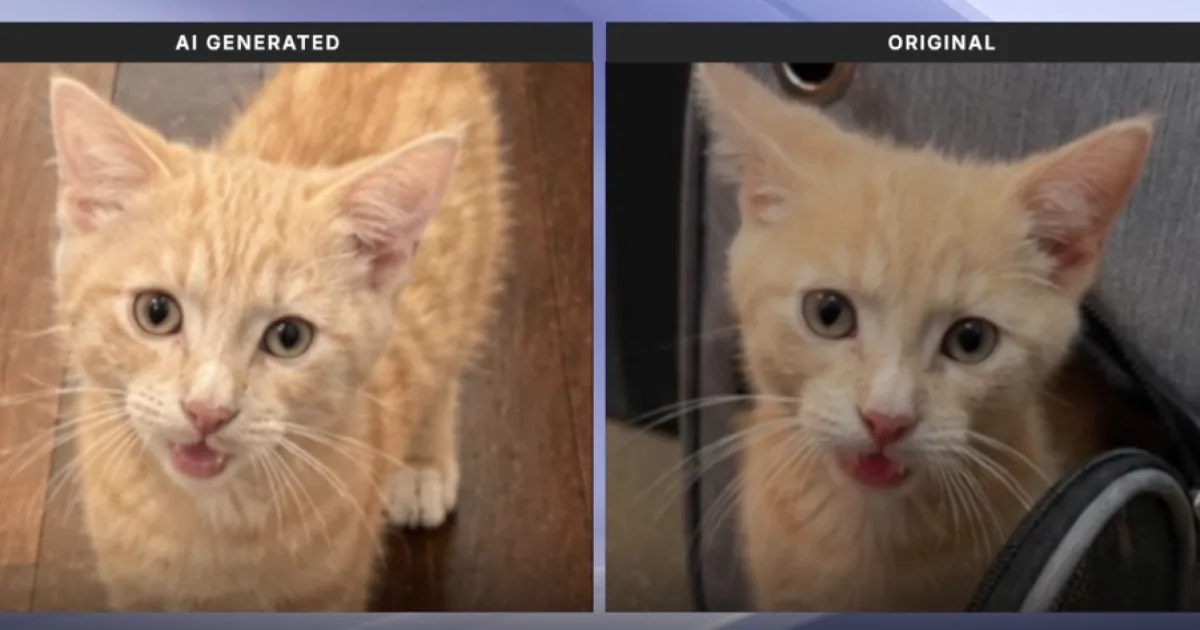
- Look closely at product photos and videos, since AI-generated marketing can appear clean and professional while still hiding a fake business.
- Be cautious with celebrity endorsements, because a convincing voice or face does not mean the person actually approved the ad.
- Use payment methods that offer stronger fraud protection whenever possible, and avoid sending money through unfamiliar channels.
The bottom line
AI has made holiday scams look more believable, but the basic defenses have not changed. Slow down, verify the seller, and treat a too-good-to-be-true deal as a reason to pause rather than rush.
A few extra minutes of checking can help you avoid a fake storefront, a phony review trail, or a deepfake that is designed to separate you from your money.