How the scam works
RALSTON, NE — Police in Bellevue, Nebraska, are warning pet owners about a scam that takes advantage of one of the most stressful moments a family can face: trying to find a missing animal. In these cases, a scammer responds to posts or messages about a lost pet and claims to have found the animal.
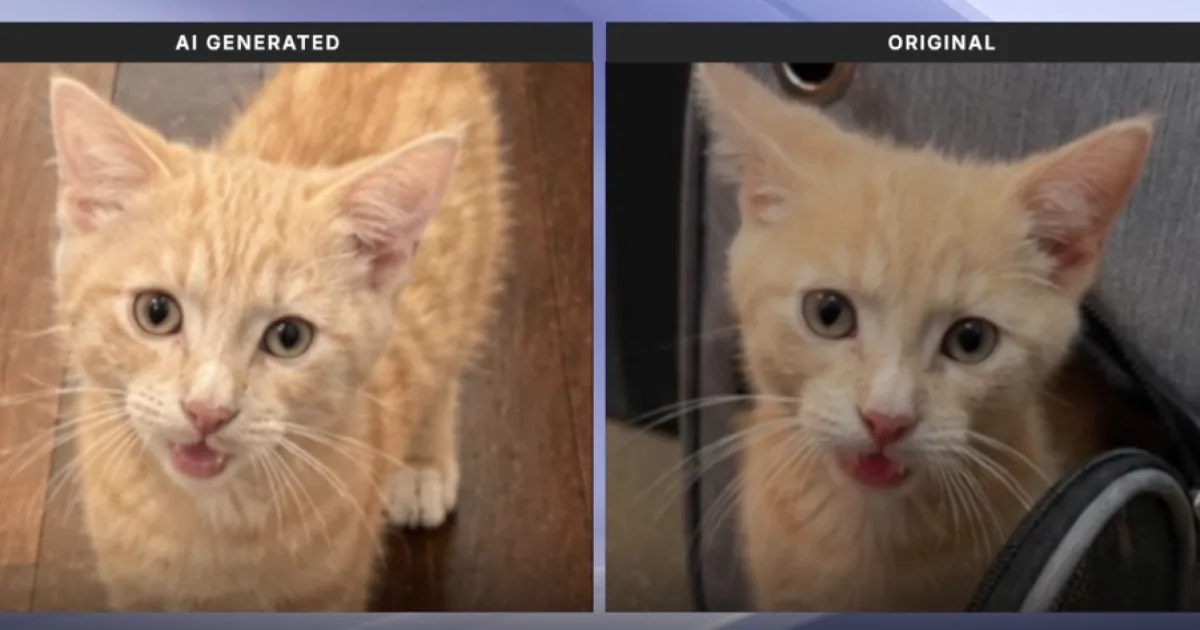
The tactic appears to rely on AI-generated images that can look convincing at first glance. A person may send a photo that seems to match the pet, then press the owner for money or more personal details. Bellevue police say the images are becoming more realistic, which makes caution especially important when a stranger suddenly reaches out with hopeful news.
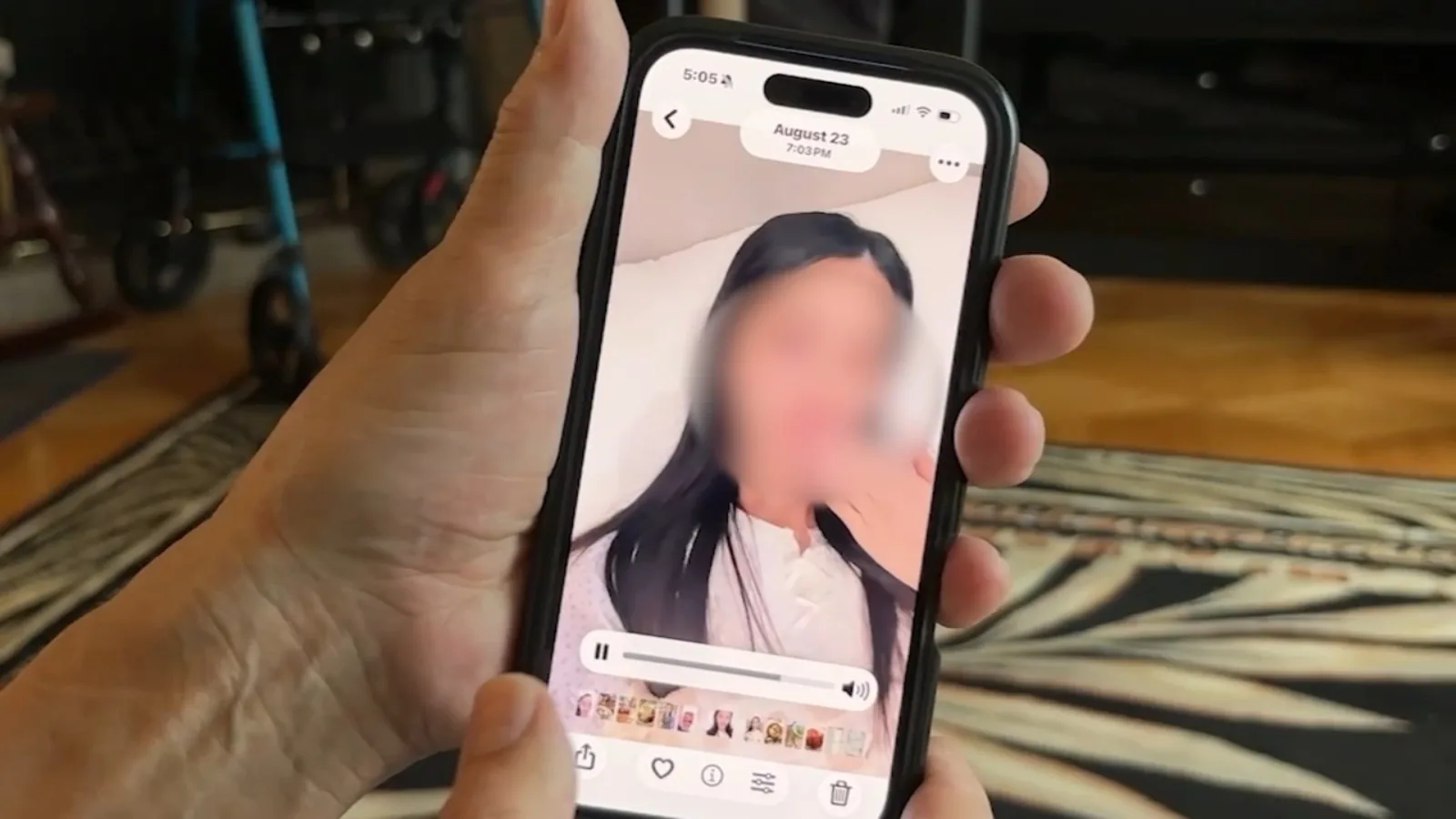
Angie Hospodka, founder of Nebraska’s Animal Loving Advocates Rescue, said she recently got a text from someone claiming to have found her missing foster kitten, Teddy. When she asked for more photos, details in the images started to change, which made her suspect the pictures had been made with AI.
The warning signs
- The photo looks close, but small details do not match your pet’s real features.
- The sender avoids answering simple questions about markings, collar color, or other identifying traits.
- Each new photo seems to introduce mistakes, like different fur colors or odd body details.
- The person pushes for money before giving clear proof the animal is yours.
- The message arrives unexpectedly after you have posted about a lost pet online.
- The caller or texter will not let you verify their identity through a number you already know.
If you've already paid or shared information
- Stop replying to the scammer and do not send any more money, codes, or personal information.
- Contact your bank or card issuer right away if you paid with a card, transfer app, or other payment method.
- Change passwords for any accounts that may have been exposed, especially email and social media.
- Turn on extra security protections such as two-factor authentication where available.
- Place a fraud alert or credit freeze if you shared enough personal information to raise identity theft concerns.
- Report the scam to the Federal Trade Commission at ReportFraud.ftc.gov.
How to protect yourself
- Share as little identifying detail as possible when posting about a missing pet, especially unique markings, collar descriptions, or exact locations.
- Ask follow-up questions and request more than one photo before believing anyone who says they found your animal.
- Be suspicious if the photos seem too perfect, too fast, or inconsistent from one message to the next.
- Verify a caller or texter by using a phone number or contact method you already had before the pet went missing.
- Never send money to someone you have not confirmed is legitimate, even if they claim your pet is being held safe.
- Tell family members and friends helping with the search to watch for fake replies and avoid sharing more details than necessary.
The bottom line
Pet-loss scams work because they target hope, urgency, and trust. If someone claims to have found your missing animal, slow down, ask questions, and check every detail before you act.
Police say a careful approach can help expose fake photos and fake stories quickly. When in doubt, verify the contact through a number or account you already know, not the one that reached out to you first.