How the scam works
WASHINGTON, DC — Holiday shoppers looking for a sold-out toy are being targeted by scammers who know how quickly parents and grandparents want to grab a popular gift before it disappears. The Better Business Bureau is warning that fake listings can trick buyers into paying for a toy that never arrives, or for a knockoff that looks nothing like the real thing.
These scams often show up where people are already hunting for bargains, such as online marketplaces, social media posts, text messages, or unfamiliar websites that promise the exact item everyone else says is gone. The pitch is simple: act fast, pay now, and you will beat the crowd.
That urgency is part of the trap. Scammers rely on holiday pressure, low stock, and the fear of disappointing a child to push shoppers past their usual caution. Once money is sent through an unsecured payment method, it can be hard to get back, especially if the seller disappears right after the payment clears.
The warning signs
- The price is far below what other sellers are charging for the same toy.
- The seller pushes you to buy immediately because the item is almost gone.
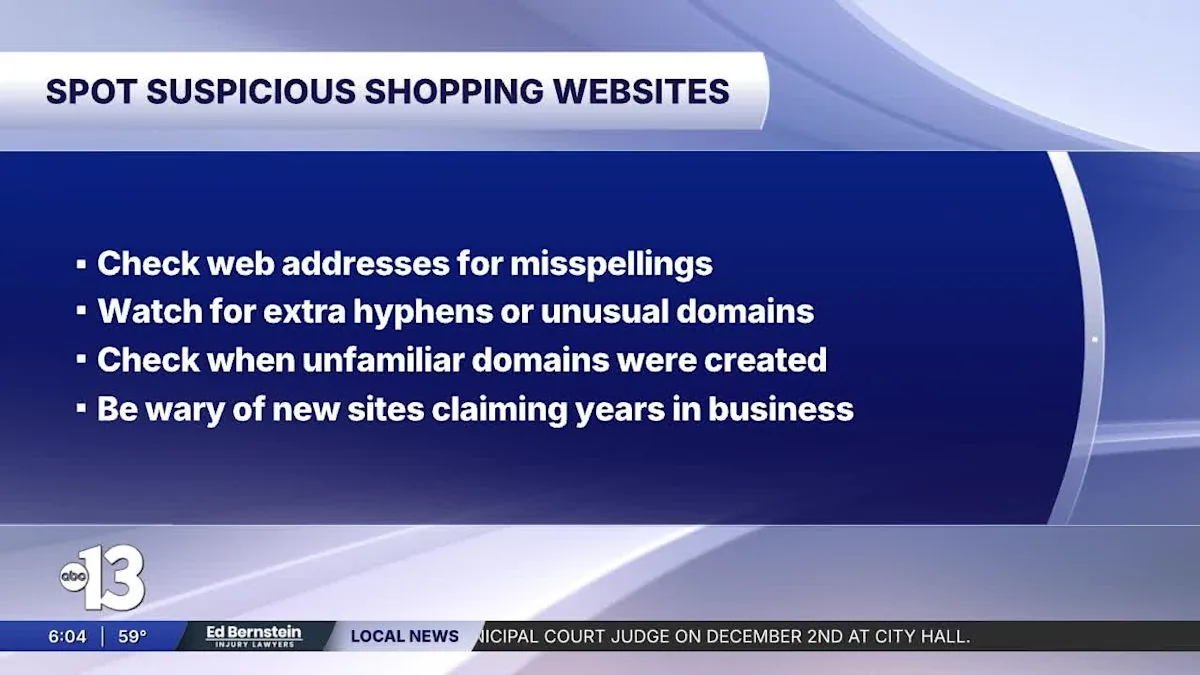
- The website or social media account looks new, incomplete, or oddly named.
- You are asked to pay by wire transfer, gift card, payment app, or other hard-to-reverse method.
- The listing uses copied photos, vague product details, or broken grammar that makes it look rushed.
- The seller avoids clear return information, shipping details, or a real business address.
If you've already paid or shared information
- Contact your bank, credit card company, or payment app right away and ask whether the transaction can be stopped or reversed.
- If you gave a password, change it immediately, and update any other accounts that use the same login information.
- Watch your accounts closely for unfamiliar charges, new logins, or messages about sign-ins you did not make.
- Freeze your credit if you shared sensitive personal information such as a Social Security number or bank account details.
- Report the scam to the Federal Trade Commission at ReportFraud.ftc.gov.
- If the payment went through a marketplace or social platform, report the seller there as well so the account can be reviewed.
How to protect yourself
- Buy from stores and sellers you already know whenever possible, especially when a toy is in short supply.
- Compare prices across several retailers before you pay, because an unusually low offer can be a sign of fraud.
- Check the seller’s history, reviews, and contact information before entering a card number or personal details.
- Use a credit card when you can, since it may offer better dispute protections than cash-like payment methods.
- Be cautious about clicking links in texts, emails, or ads that claim they can get you the season’s hottest toy.
- Slow down if a seller uses pressure tactics, because a legitimate business will not usually demand that you decide in seconds.
The bottom line
Scammers know that the holiday rush can make even careful shoppers move too quickly. When a toy is suddenly hard to find, fake listings and counterfeit offers become more believable because people are eager to believe they have found a last chance.
A few extra minutes of checking can save you money and frustration. If a deal feels rushed, strange, or too good to be true, it is worth stepping back before you buy.