How the scam works
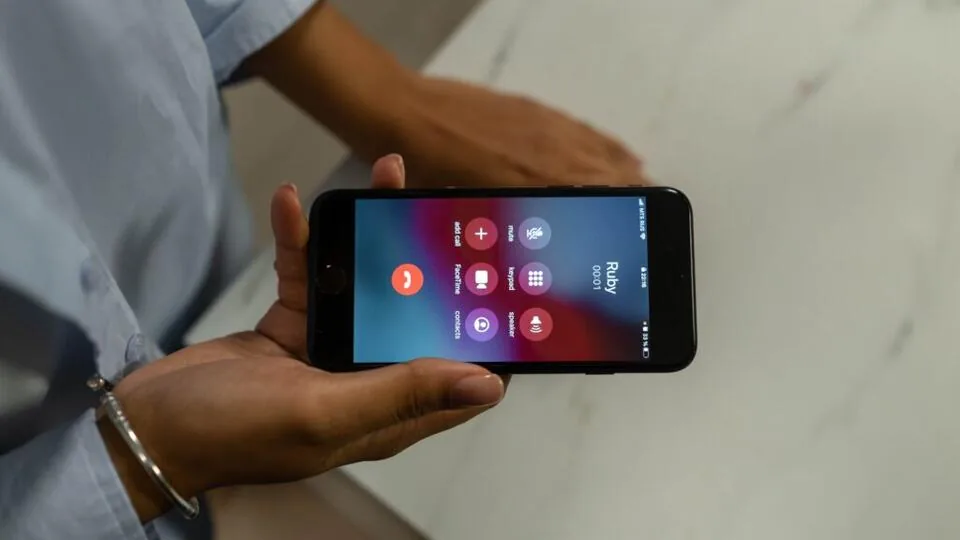
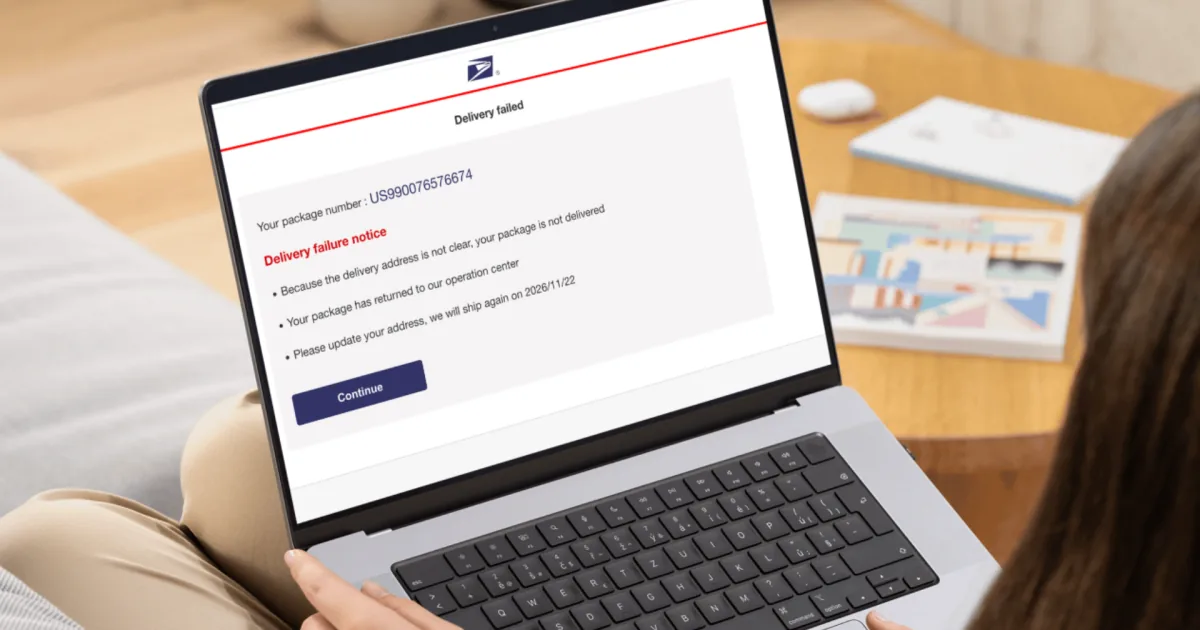
BALTIMORE, MD — A new wave of package-delivery scams is preying on people who are already expecting shipments. The messages look like they come from the U.S. Postal Service or a major carrier, say a package is missing or undeliverable, and urge the recipient to tap a link and fix the problem.
In one case, a personal finance expert who was waiting for a package received a text that appeared to be from USPS. She clicked through, entered her debit card information, and only realized something was wrong after the payment would not go through. Her husband immediately recognized it as a scam.
The fraud works because it copies the routine language of real shipping alerts. Around the holidays, many shoppers are already receiving order updates, so a fake message can easily blend in with legitimate notices and catch people off guard.
The warning signs
- The text arrives unexpectedly, even though you did not request tracking updates from that carrier.
- The message says a package is lost, delayed, or undeliverable and pushes you to act right away.
- You are asked to click a link instead of checking your order through the retailer or carrier website yourself.
- The message requests personal details such as your address, card number, expiration date, or security code.
- You are told to pay a small fee, such as 30 cents, to redeliver a package.
- The sender uses official-looking branding, but the wording feels slightly off or too urgent.
If you've already paid or shared information
- Contact your bank or card issuer right away and ask them to watch for suspicious charges.
- Review recent transactions and report any payment you do not recognize.
- If you entered login credentials or other passwords, change them promptly on the related accounts.
- Consider freezing your credit if you shared sensitive personal information that could be used to open accounts in your name.
- Report the scam to the FTC at ReportFraud.ftc.gov and, if needed, also alert the U.S. Postal Inspection Service or the carrier named in the text.
- Keep screenshots of the message, the link, and any confirmation pages in case you need them later.
How to protect yourself
- Go directly to the retailer’s website or app to check delivery status instead of using a link in a text.
- Use the tracking number from your original purchase confirmation when you want to verify a shipment.
- Keep order confirmations in a separate email folder so real tracking information is easier to find during the holidays.
- Remember that USPS tracking texts are typically sent after a customer requests updates for a specific package.
- Know that USPS does not charge a redelivery fee, so any text asking for payment should be treated with suspicion.
- Pause before responding to any message that pressures you to act immediately, especially if it asks for card information or personal details.
The bottom line
Fake delivery texts are convincing because they arrive at the exact moment many people are expecting packages. That timing makes the scam feel routine, even when the request for money or personal information is not.
If a shipment notice asks you to pay, click, or enter card details, verify it on your own through the retailer or carrier. A few extra seconds of caution can keep your debit card number and other personal information out of a scammer’s hands.