How the scam works
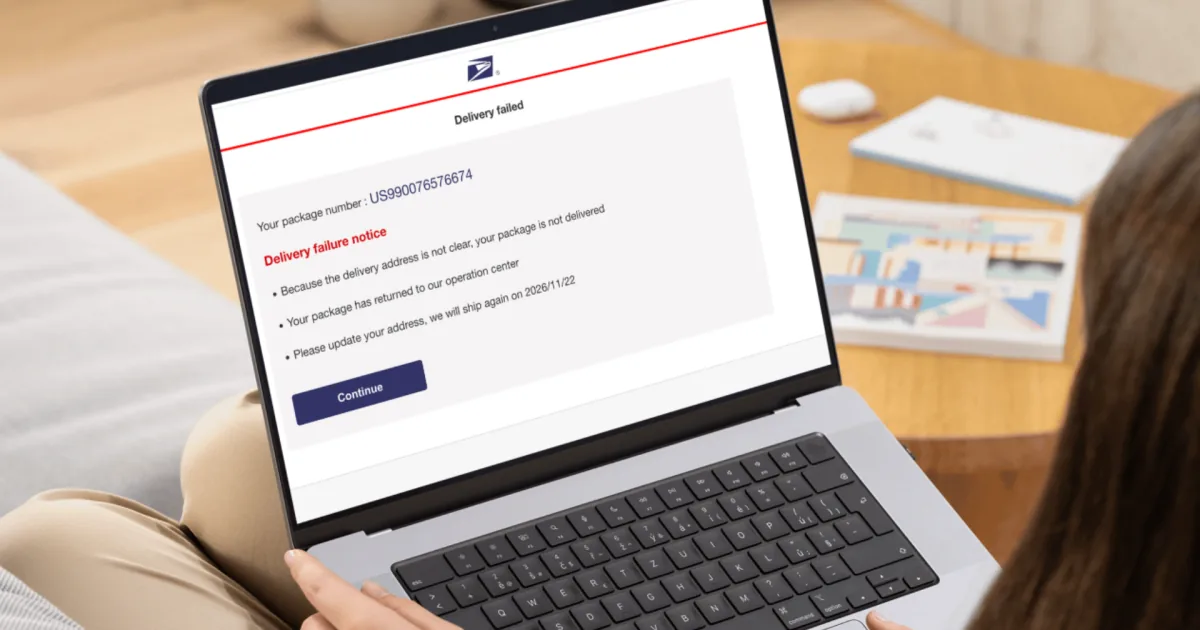
WASHINGTON, DC — The Consumer Financial Protection Bureau says scammers are pretending to be federal officials and contacting people with urgent demands for payment. The messages can arrive by phone, text, or email and may sound official enough to catch someone off guard, especially during the busy holiday season.
According to the bureau, the fraudsters may claim that money is waiting for the recipient, but only after a fee, tax, or other payment is sent first. They may also ask for account numbers, Social Security numbers, or other sensitive details that can be used to steal money or identity information.
The CFPB says it will never contact consumers to demand payment or ask for confidential financial information. It also warns that some impostors try to create pressure by saying the recipient must act quickly or risk losing money or facing an investigation.
The warning signs
- A caller, text, or email says it is from the CFPB but asks you to pay money first.
- You are told you won a lawsuit, refund, sweepstakes, or other unexpected payout and must send fees before getting it.
- The message asks for your bank account number, Social Security number, or card information.
- Someone pressures you to act immediately or threatens trouble if you do not respond right away.
- The contact gives you a phone number or email address and insists you use only that information.
- The message arrives at an unusual time, such as late at night or over a weekend, when you feel rushed to decide.
If you've already paid or shared information
- Contact your bank or credit card company right away and ask about reversing or blocking the payment.
- Change passwords for any account that may be exposed, especially financial and email accounts.
- Turn on account alerts so you can watch for unfamiliar logins or withdrawals.
- Freeze your credit if sensitive personal information was shared, so new accounts cannot be opened easily in your name.
- Report the scam to the Federal Trade Commission at ReportFraud.ftc.gov.
- If the contact claimed to be from the CFPB, call the bureau’s consumer line at (855) 411-2372 to verify whether the message was real.
How to protect yourself
- Hang up or delete the message if anyone demands payment or private information before you have verified the contact.
- Look up the agency’s phone number on an official website instead of using the number given in the message.
- Remember that the CFPB says it does not call, text, or write to demand money.
- Be extra cautious when a caller says there is money waiting but only after you pay a fee or tax first.
- Tell a trusted family member or friend before sending money if a message feels urgent or confusing.
- Use call-blocking tools, spam filters, and two-step login on important accounts to make it harder for scammers to reach you.
The bottom line
Officials say these impersonation scams work because they sound official and create pressure. A few minutes of checking can prevent a costly mistake.
The safest response is simple: do not pay, do not share personal details, and confirm any suspicious contact through an independently found government number. If the message is fake, reporting it helps warn others.