The scam is locking city systems and demanding ransom
SAN FRANCISCO, CA — Hackers are targeting local governments, schools, and other public institutions across the Bay Area with ransomware and related cyber scams. The attacks can steal sensitive records, lock up computer networks, and force agencies to scramble to keep basic services running.
In one recent case, Suisun City said hackers broke into its network, encrypted files, and demanded payment to unlock them. That kind of pressure can push officials to make quick decisions while emergency services and public counters are still affected.
The problem is not limited to one city or one agency. NBC Bay Area identified at least 60 public institutions in the region that have been targeted since 2020, including cities, government agencies, public universities, and health plans.
How the scam works
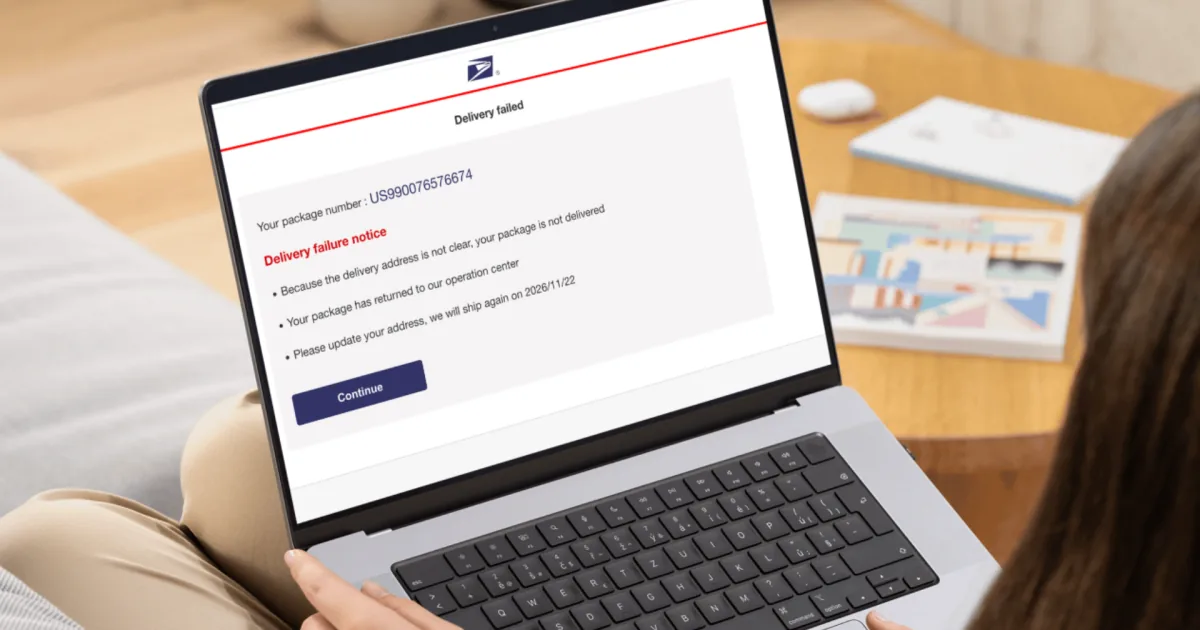
Ransomware usually begins when criminals find a way into a network, often through a stolen password, a phishing email, or another weak point. Once inside, they can encrypt files so employees cannot use them. Then they demand money in exchange for restoring access or for keeping stolen data private.
Some attacks go beyond locking files. Hackers may steal personal information, financial records, or internal documents and threaten to release them if the victim refuses to pay. In public agencies, that can affect employee data, resident information, and even emergency operations.
Officials in Suisun City said the attack forced the city to shut down its computer network and declare a state of emergency. Dispatchers were moved to Solano County’s Emergency Communications Center so they could keep taking 911 calls. City staff worked around the clock while departments faced major disruptions.
The warning signs
- A city, school, or agency suddenly cannot access files or shared systems.
- Employees receive urgent messages demanding money, often with a deadline.
- Public services, payment systems, or phone lines go offline without warning.
- Residents are told sensitive records or personal information may have been stolen.
- An email or message asks staff to transfer money or share credentials with a “vendor” or trusted contact.
- Officials say they are moving to backup systems or an “analog mode” to contain an attack.
If you've already paid or shared information
- Contact your bank or credit union right away if money was transferred or account information was exposed.
- Change passwords for any affected accounts and any other accounts that use the same or similar login details.
- Turn on extra security features, including multi-factor authentication, where available.
- Freeze your credit if Social Security numbers or other identity details may have been stolen.
- Watch for suspicious account activity, new loan applications, or unfamiliar login alerts.
- Report the incident to the FTC at ReportFraud.ftc.gov and also notify any agency, employer, or institution that was affected.
How to protect yourself
- Be cautious with emails, text messages, and invoices that pressure you to act fast or change payment instructions.
- Verify vendor or account changes using a phone number or contact method you already trust, not the one in the message.
- Use strong, unique passwords and store them securely so one breach does not expose multiple accounts.
- Keep software and security updates current on your devices, including phones, tablets, and home computers.
- Back up important files regularly so a ransomware attack is less likely to leave you without access.
- If you work for a public agency or a small organization, report suspicious activity quickly so others can respond before the attack spreads.
The bottom line
Cybercriminals are treating public agencies as high-value targets because they hold sensitive data and often cannot afford long disruptions. That makes smaller communities especially vulnerable, even when they are trying to improve security.
Experts say the best defense is a mix of stronger technology, staff training, and fast reporting when something looks wrong. For everyday readers, the safest approach is to slow down, verify requests, and treat urgent demands for money or information with caution.