Medicare card mail scams target older Americans with fake replacement cards and urgent callback requests
WASHINGTON, DC — Older Americans are being warned about Medicare-related mail scams that can look convincing at first glance. The concern is especially strong because some beneficiaries really did receive new cards after a 2025-2026 data security incident.
That mix of real replacement mail and fake lookalike cards gives scammers a chance to sound legitimate. Fraudsters may try to collect Medicare numbers, personal details, or even money by claiming you must “verify” or “activate” something right away.
The safest response is to slow down and check the details before you call any number printed on the mailer. Real Medicare mail has a specific paper format, and the government has clear ways to confirm whether a card is genuine.
How the scam works
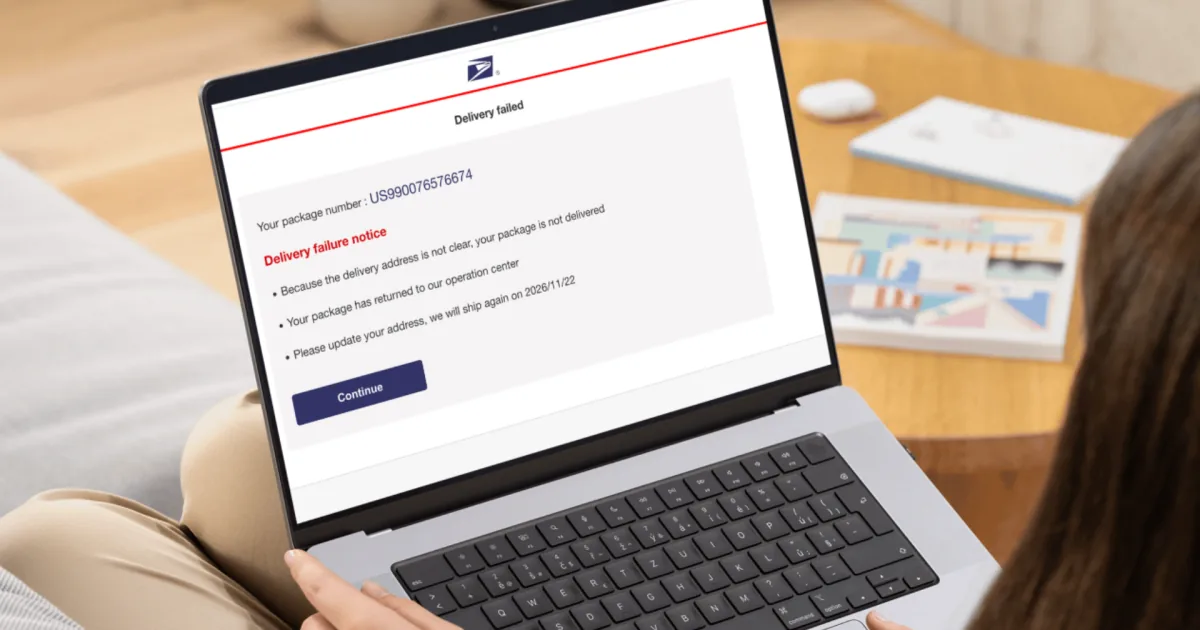
The scam usually starts with an envelope that appears to be from Medicare or another official-sounding source. Inside may be a plastic-looking card, a letter asking you to call a phone number, or a message saying your benefits need to be updated.
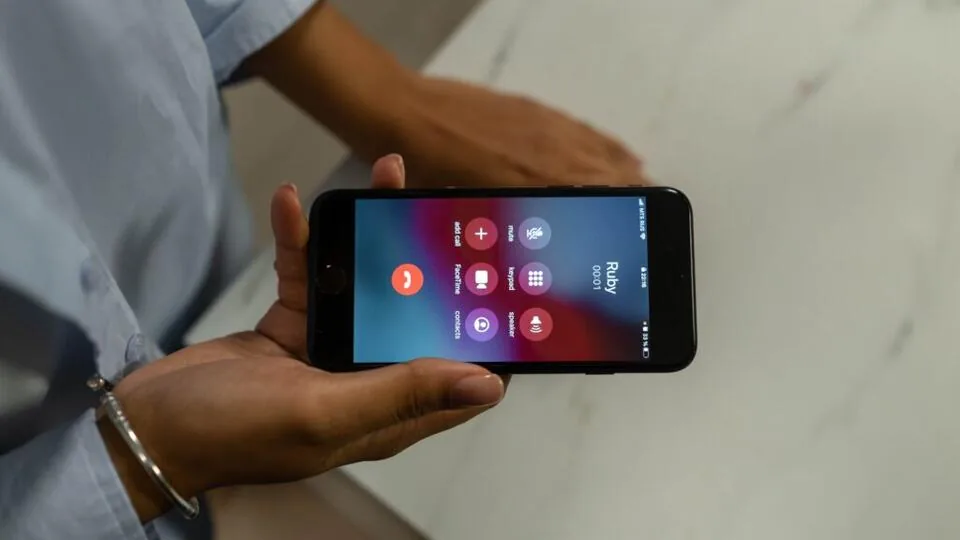
That call is the trap. Once you dial the number on the mailer, the person on the other end can pressure you to share your Medicare number, date of birth, bank information, or other personal details. In some cases, scammers say they need to “verify your identity” or “activate” a new card.
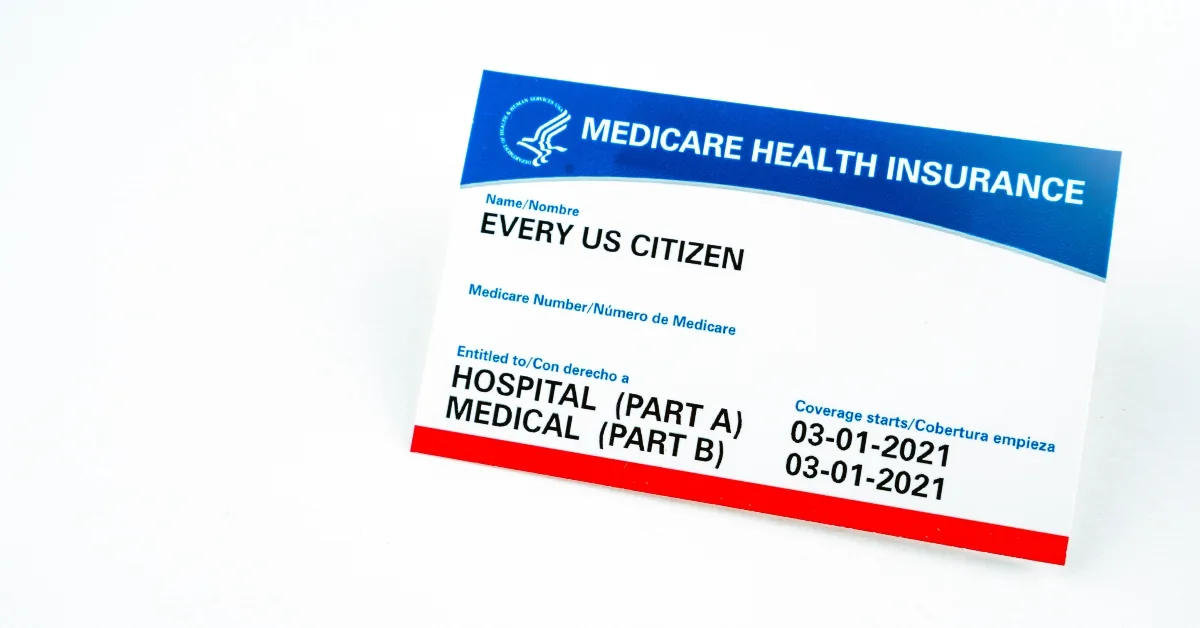
Officials say real Medicare replacement cards sent after the security incident were paper cards, arrived with an explanation letter, and did not ask recipients for payment, gift cards, or sensitive information. The fraud depends on creating enough confusion that people respond before checking with Medicare directly.
The warning signs
- The card looks like plastic or laminated material instead of a standard paper Medicare card.
- The mailing asks you to call a number to “verify,” “activate,” or “update” your benefits.
- You are asked for your Medicare number, bank account, credit card, or other personal details.
- The letter pressures you to act immediately or warns of a problem if you do not respond fast.
- The card or letter says Medicare is charging you for a replacement card.
- The mailing claims your Medicare card is expiring, even though Medicare cards do not expire simply because time passes.
If you've already paid or shared information
- Call your bank or credit card company right away if you sent money or shared financial information.
- Change passwords for any account that may have been exposed, especially if you used the same password elsewhere.
- Contact Medicare directly at 1-800-MEDICARE (1-800-633-4227) and use that number instead of any number printed on the mailer.
- Log in to Medicare.gov to review your account, enrollment details, and card information.
- Check your Medicare Summary Notices and Explanation of Benefits for unfamiliar charges or services.
- Report the scam to the FTC at ReportFraud.ftc.gov and keep a record of what was sent or said.
How to protect yourself
- Ignore pressure to respond quickly, because scammers often rely on urgency to keep people from verifying details.
- Remember that legitimate Medicare cards are free and mailed automatically, not sold through a caller or mailer.
- Do not trust a phone number printed on the suspicious envelope or letter; look up Medicare’s official contact information yourself.
- Keep your Medicare number private and treat it like other sensitive account information.
- Be especially cautious if a caller asks you to confirm identity with personal details you did not volunteer.
- Share your new Medicare number with health care providers only through trusted channels so billing can proceed smoothly after a real replacement card.
The bottom line
Some spring 2026 replacement cards were real and were mailed after a security incident, but scammers are using that same situation to make fake notices look believable. The most important clue is that genuine Medicare communication does not pressure you to pay, activate a card, or hand over personal information.
If something feels off, skip the number on the mailing and contact Medicare directly. A few minutes of checking can help protect your benefits, your identity, and your peace of mind.