How the scam works
RALEIGH, NC — Shoppers looking for holiday deals are being warned about fake online stores and delivery-related scams that often intensify around Black Friday and Cyber Monday. The goal is simple: lure people in with a deal, a delivery alert, or a time-sensitive message, then collect money or personal information before the buyer realizes something is wrong.
According to North Carolina Attorney General Jeff Jackson’s office, fake shopping sites may use stolen product photos, fake reviews, and countdown timers to create pressure. Some of these sites also push buyers toward payment methods that are difficult to trace, including prepaid cards, wire transfers, or cryptocurrency. In many cases, the shopper receives nothing at all, or a counterfeit item that does not match what was advertised.
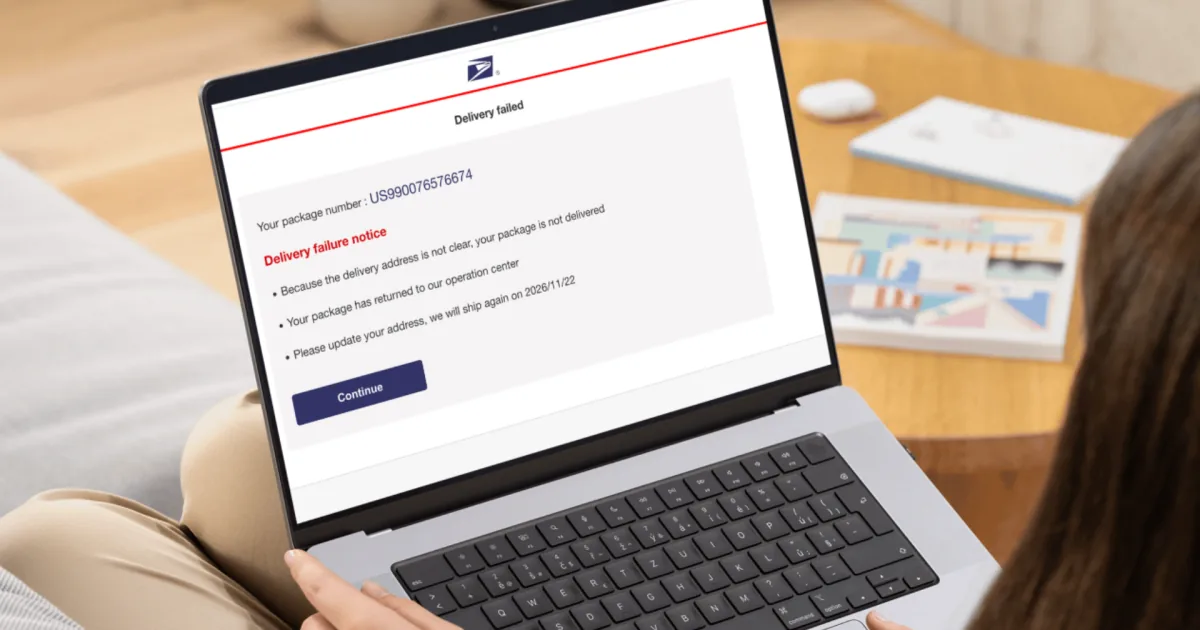
Another common tactic uses texts or emails that claim a package is delayed or needs extra information or payment. Those messages may contain links to phishing pages or malicious websites designed to steal login details, card numbers, or other personal data. The attorney general’s office says major carriers such as FedEx and UPS do not ask for personal information by email or text.
The warning signs
- No customer reviews or only vague, suspicious reviews that do not seem real.
- A website with no physical address, no customer service details, or limited company information.
- Prices that look unusually low or deal offers that seem too good to be true.
- Poor grammar, misspellings, or awkward phrasing on the website or in messages.
- Pressure tactics such as countdown timers, urgent language, or claims that an offer will disappear immediately.
- Requests to pay with prepaid cards, wire transfers, cryptocurrency, or other hard-to-trace methods.
If you've already paid or shared information
- Contact your bank or credit card company right away to report the transaction and ask about the next steps.
- If you used a password on a suspicious site, change it immediately and update any other accounts that share the same password.
- Watch your accounts closely for unfamiliar charges, sign-ins, or password-reset messages.
- Freeze your credit if you think sensitive personal information may have been exposed.
- Save screenshots, emails, receipts, tracking messages, and website addresses in case you need them for a complaint or dispute.
- Report the scam to the Federal Trade Commission at ReportFraud.ftc.gov and, if you are in North Carolina, contact the state attorney general’s Consumer Protection Division.
How to protect yourself
- Research unfamiliar sellers before you buy, especially when a deal appears suddenly on social media, in search results, or in a text message.
- Shop through a retailer’s official website or app rather than clicking on links in unsolicited emails or delivery notices.
- Use a credit card when possible so you have a clearer path to dispute a bad charge.
- Avoid entering personal or payment information while connected to public Wi-Fi.
- Buy gift cards directly from the store counter instead of online marketplaces or third-party sellers.
- Take a few minutes to read the address, payment options, and contact information before checking out, since a rushed purchase is when many people get fooled.
The bottom line
Holiday shopping scams often work because they look ordinary at first glance and arrive when people are busy. A fake store, a delivery text, or a too-good-to-pass-up bargain can all be designed to move quickly before a buyer has time to check the details.
The safest approach is to slow down, verify the seller, and ignore unexpected links or payment demands. If something feels off, it is worth pausing and confirming the information through a company’s official website, app, or customer service line before you act.