How the scam works
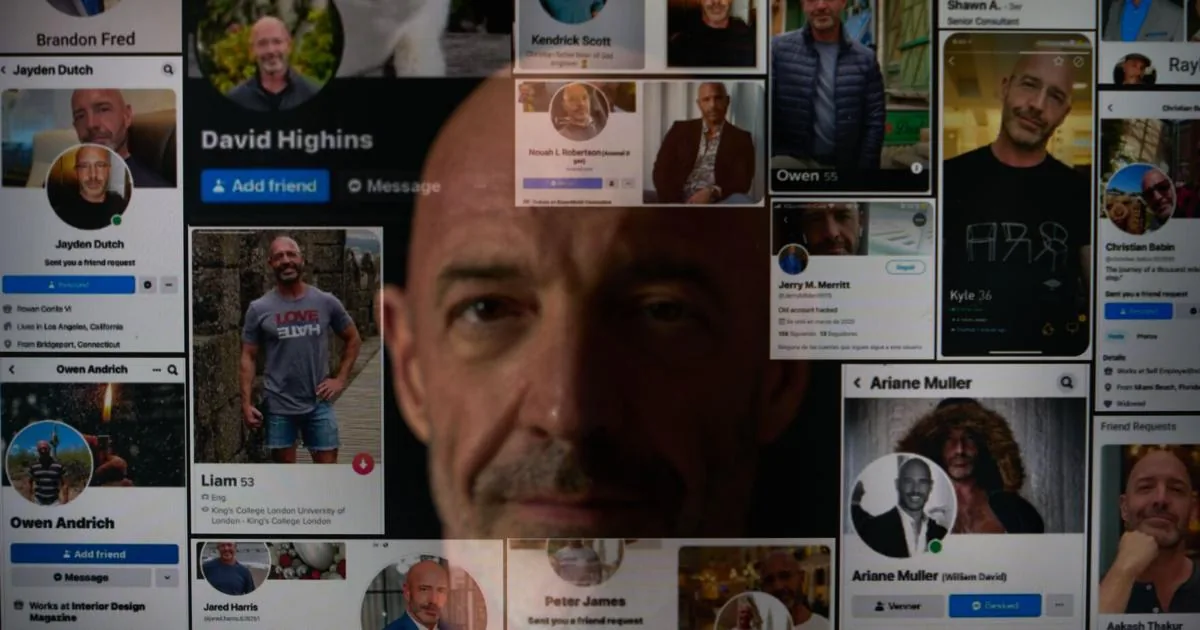
TUPELO, MS — Romance scams often begin with a flattering message from a stranger who seems attractive, attentive, and trustworthy. In this case, scammers have been using Hunter Bigham’s photos to create fake profiles that present him as different men, including a widowed petroleum geologist in Houston, an oil rig worker in Scotland, and a Spanish secret agent named John.
The goal is to build emotional trust quickly and then steer the conversation toward money, gifts, or other sensitive information. Bigham says his images have been stolen for more than eight years and used to create hundreds of fake online profiles, showing how one person’s pictures can be turned into bait for many separate fraud attempts.
These scams work because they are personal, patient, and often convincing. A scammer may copy real photos, borrow details from a victim’s life, and keep the messages going long enough to make the relationship feel genuine before asking for help or a payment.
The warning signs
- The person’s profile photo looks unusually polished, attractive, or professional but has little other activity attached to it.
- The online identity changes details easily, such as job, location, or background story, when asked simple questions.
- The person pushes for fast emotional closeness, praise, or declarations of affection early in the conversation.
- The relationship stays online and avoids video calls, in-person meetings, or ordinary proof of identity.
- The person eventually brings up money, travel costs, emergencies, or a problem that needs urgent help.
- Photos may appear in multiple profiles or on accounts that seem newly created, copied, or inconsistent.
If you've already paid or shared information
- Contact your bank or card issuer right away to report the payment and ask what steps can be taken.
- Change passwords for any accounts that may have been exposed, starting with email, banking, and social media.
- Turn on two-factor authentication wherever possible to make account access harder for scammers.
- Place a fraud alert or credit freeze with the major credit bureaus if you shared personal or financial information.
- Save screenshots, messages, names, profile links, and payment records in case you need them later.
- Report the scam at ReportFraud.ftc.gov so federal investigators can track the fraud pattern.
How to protect yourself
- Be cautious when a new online contact moves too quickly from casual chat to romance or trust.
- Verify people through more than one method, such as a live video call and an independently confirmed phone number.
- Search a profile photo with a reverse image tool to see whether the same picture appears under different names.
- Never send money, gift cards, or financial details to someone you have not met and confirmed in person.
- Keep personal photos, family details, and location clues limited if you use social media publicly.
- Talk with a trusted friend or family member before sending money or making any urgent decision for an online relationship.
The bottom line
Romance scams can be deeply persuasive because they target loneliness, hope, and trust instead of just passwords or bank accounts. The use of Hunter Bigham’s images shows how easily a real person’s face can be turned into a fake identity across many accounts.
The safest response is to slow down, verify the person, and treat urgency as a warning sign. If a relationship online starts to ask for money, secrecy, or personal details, it is worth stopping and checking before you do anything else.