How the scam works
JACKSONVILLE, FL — Holiday shopping season is giving scammers a fresh opening to fool people with fake retail websites, bogus delivery notices, and gift card demands. These schemes often rely on urgency, making the victim feel that a package is delayed, a deal is about to expire, or a payment must be made right away.
In one common setup, a person sees an ad, text, or email for a too-good-to-be-true bargain and lands on a lookalike shopping site. The site may copy the branding of a real store, but the checkout page is controlled by criminals who collect payment information or money without sending anything in return.
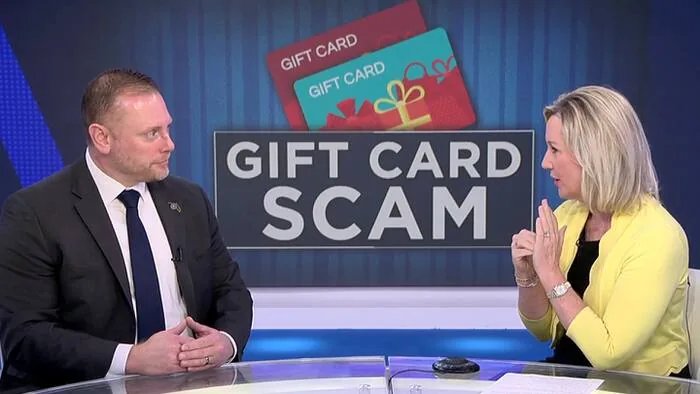
Another version uses delivery alerts that appear to come from a shipping company. The message can push the recipient to click a link, confirm personal details, or pay a small fee to resolve a supposed problem. Gift card scams work the same way by pressuring people to pay in a way that is hard to trace and easy for criminals to spend quickly.
The warning signs
- The deal looks far better than anything offered by established retailers.
- The website address is unfamiliar, misspelled, or uses strange wording.
- You are pushed to act immediately instead of taking time to verify the offer.
- A delivery message asks you to click a link or pay a fee to release a package.
- The seller wants payment by gift card, which is a major red flag for fraud.
- The message contains awkward language, broken links, or other signs it was rushed together.
If you've already paid or shared information
- Contact your bank or card issuer right away if you sent money or entered payment details.
- Change passwords for any accounts that may have been exposed, especially email and shopping logins.
- Watch your financial statements closely for unauthorized charges or unfamiliar activity.
- If you shared personal information, consider placing a fraud alert or credit freeze with the major credit bureaus.
- Report the scam to the FTC at ReportFraud.ftc.gov so investigators can track the pattern.
- If the scam involved a package or delivery notice, save screenshots, emails, and text messages before deleting them.
How to protect yourself
- Type a retailer’s web address into your browser instead of clicking on random links from texts or emails.
- Check that a site uses secure checkout practices and look closely at the spelling of the company name and domain.
- Be skeptical of any message that creates pressure, urgency, or fear before you have time to verify it.
- Use credit cards or other safer payment methods when possible, because they can offer more protection than cash-like transfers.
- Ignore any request to pay with gift cards, since legitimate businesses generally do not use that method for ordinary purchases or fees.
- When in doubt, contact the retailer or shipping company through an official phone number or website you found yourself.
The bottom line
Scammers count on rushed decisions, especially when people are looking for holiday bargains or waiting for a package. Taking a few extra seconds to verify a website, a message, or a payment request can keep a small mistake from becoming a costly loss.
If something feels off, stop and confirm it through a trusted source before you click or pay. That pause is often the simplest and most effective way to avoid fraud.