How the scam works
BLAIRSTOWN TOWNSHIP, NJ — Police in Blairstown Township are warning New Jersey residents about a phone scam that uses fake law enforcement, court and government identities to scare people into paying or giving up personal information. The callers may claim there is an outstanding warrant, a court issue or another urgent legal matter that needs immediate attention.
In many cases, the goal is to make the person feel alarmed enough to act before checking whether the claim is real. Scammers may tell the victim to appear at a courthouse, pay money right away or face arrest if they do not comply.
Authorities say the fraud often depends on pressure and confusion. The caller may sound official, but police and courts do not collect money over the phone to settle warrants or court matters, and they will not ask for sensitive information such as Social Security numbers, bank account details or credit card numbers.
The warning signs
- The caller says you have a warrant, legal problem or court matter that must be handled immediately.
- You are told to pay over the phone to avoid arrest or another penalty.
- The caller asks for Social Security numbers, banking details, credit card numbers or similar sensitive information.
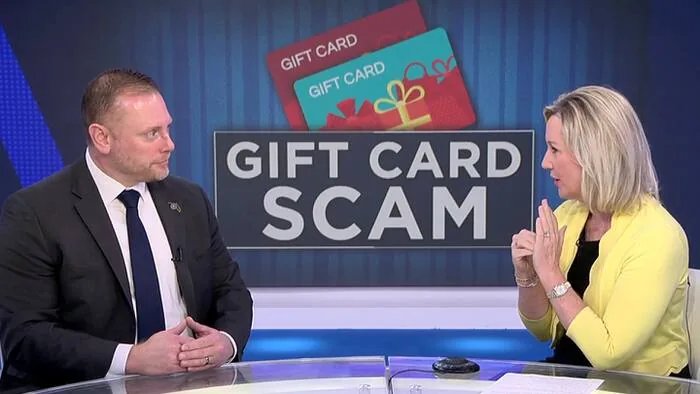
- You are pressured to buy gift cards, send money or transfer cryptocurrency.
- The displayed phone number looks official, but you did not independently verify it.
- The caller urges secrecy or tries to keep you from checking with your local police or courthouse.
If you've already paid or shared information
- Contact your local police department right away and report what happened.
- Call your bank or credit card company as soon as possible if you sent money or gave account details.
- Change passwords on any accounts that may have been exposed, especially if you shared login information.
- Monitor your financial statements closely for unfamiliar charges or withdrawals.
- Consider placing a fraud alert or credit freeze if you shared personal or identifying information.
- Report the scam to the FTC at ReportFraud.ftc.gov.
If you gave out information tied to a bank account, card, or online payment app, ask the institution what protective steps it recommends. Keep records of phone numbers, call times, and any details you remember about the conversation.
How to protect yourself
- Hang up immediately if a caller claims to be police, court staff or another official and starts demanding money.
- Use an independently verified phone number to call your local police department or courthouse before taking any action.
- Never rely on caller ID alone, because scammers can make a number look legitimate.
- Do not share Social Security numbers, account numbers, card details or other private information with an unexpected caller.
- Refuse demands for gift cards, wire transfers or cryptocurrency, since those are common payment methods in scams.
- Tell older family members, friends and neighbors about the scam so they know what to watch for.
It can help to save official phone numbers in advance, before a problem comes up. That makes it easier to confirm a real call instead of reacting to a stranger on the line.
The bottom line
This scam works because it sounds urgent and official, but the advice is simple: stop, verify and do not pay based on a surprise phone call. Real police departments and courts do not resolve warrants or legal matters by demanding money from strangers over the phone.
If a caller is trying to rush you, that is a reason to slow down, not speed up. Hang up, check the number yourself and contact law enforcement directly if you are unsure.