How the scam works
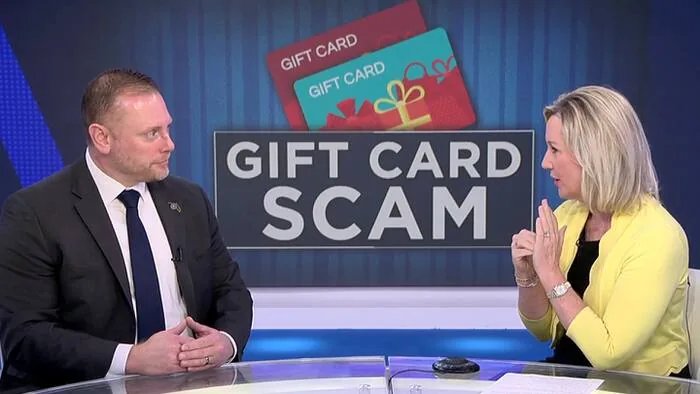
FRESNO, CA — Fraud targeting older adults is climbing, and scammers are using more polished methods to make fake messages look real. FBI data cited by KFSN shows people 60 and older reported $7.7 billion in fraud losses in 2025, a 59% jump from the year before.
The goal is usually the same: get a victim to send money, share personal information, or keep talking long enough for the criminal to build trust. Scammers may call, text, or email first, then quickly create a sense of urgency so the person reacts before stopping to verify the request.
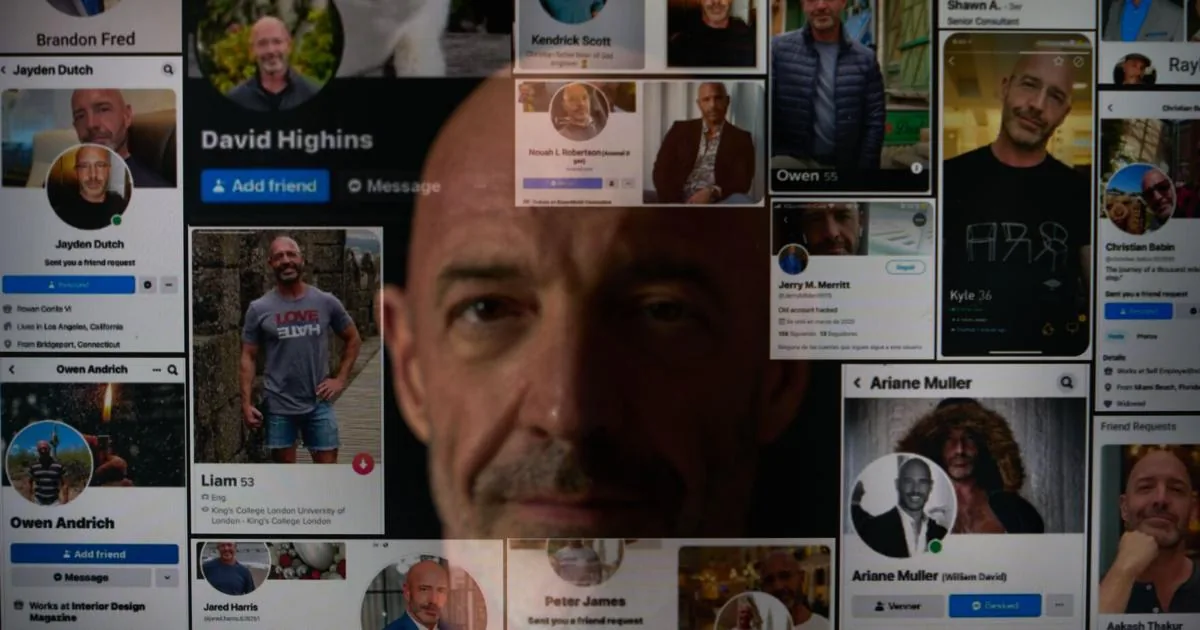
Wells Fargo’s Rodnée Warr said older adults can be especially attractive targets because they may have more time, more savings, and more openness to answering unknown callers or replying to unsolicited messages. She also said artificial intelligence is making fraud harder to spot because scammers can scale up calls and create more convincing fake content.
The warning signs
- An unexpected call, text, or email that pushes you to act right away.
- A message that asks for money, gift cards, wire transfers, or payment through an unusual method.
- Claims that your bank account, computer, or benefits are in danger unless you respond immediately.
- Pressure to keep the conversation secret or avoid talking to family, your bank, or another trusted contact.
- Messages that look official but have odd wording, unfamiliar links, or a sender you do not recognize.
- Donation requests that do not clearly identify a legitimate nonprofit or direct you to a vague website.
If you've already paid or shared information
- Contact your bank or card issuer right away and explain what happened.
- If you sent money by wire, gift card, payment app, or another transfer service, report it immediately to the company involved.
- Change passwords for any affected accounts, especially email and financial logins.
- Watch your accounts closely for unfamiliar charges or withdrawals.
- Consider placing a freeze or fraud alert on your credit if personal information was exposed.
- Report the scam to the FTC at ReportFraud.ftc.gov and keep copies of emails, texts, phone numbers, and transaction records.
- If the scam involved a charity request, verify the organization through a trusted, reputable website before giving anything else.
How to protect yourself
- Pause before responding to any unexpected message, even if it looks urgent or official.
- Verify requests by using a phone number or website you already know, not the contact information in the message.
- Do not share account numbers, one-time codes, passwords, or personal details with anyone who contacts you first.
- Be cautious with donations and confirm that the nonprofit is legitimate before sending money.
- Talk regularly with family members about common scams so suspicious messages are easier to recognize.
- Treat AI-generated voices, images, and messages with extra caution, since they can be designed to sound or look convincing.
The bottom line
Scammers are getting better at sounding believable, but the same basic protection still matters: slow down, verify, and never feel rushed into sending money or personal information. Older adults are not alone in being targeted, and the safest response is often to stop the conversation until you can confirm it is real.
Regular conversations with family and trusted contacts can make a difference, especially when fraud attempts are shared out loud instead of kept private. A routine check-in now can help prevent a much larger loss later.