How the scam works
HOUSTON, TX — Holiday shoppers are being targeted by AI-generated fake stores that copy the look and feel of real retailers. These sites can appear polished, complete with product photos, detailed listings and checkout pages that seem legitimate at first glance.
Scammers use social media ads, bargain pricing and urgent countdowns to push people into buying quickly. In some cases, shoppers think they are ordering from a familiar brand or a close imitation, only to learn later that the item never arrives or the product is not what was advertised.
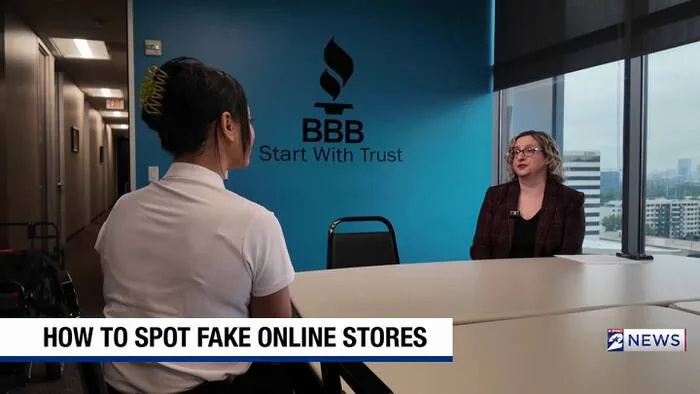
The Better Business Bureau of Greater Houston says this trend has become harder to spot because artificial intelligence can remove many of the old giveaways. Misspellings, clumsy layouts and poor images used to stand out more easily, but now fake sites can look professional enough to pass casual inspection.
The warning signs
- The price is far below what a real retailer would normally charge, especially on high-demand holiday items.
- The site pushes urgency with phrases like limited time, going out of business or almost sold out.
- The web address does not exactly match the real company name, or it uses a slightly altered spelling.
- The store lacks a clear physical address, working customer service number or other verifiable contact information.
- The checkout asks for payment through gift cards, prepaid debit cards, Cash App or cryptocurrency.
- The website looks polished, but the deal seems unusually generous or the product details do not make sense.
If you've already paid or shared information
- Contact your bank or credit card company right away to report the charge and ask what steps are available next.
- If you entered account passwords, change them immediately, starting with email, shopping and financial accounts.
- Ask your card issuer whether a replacement card is needed if payment information was entered on a suspicious site.
- Review your recent transactions for unauthorized charges and keep watching for new ones over the next several weeks.
- Consider placing a credit freeze if personal information such as your name, address or Social Security number may have been exposed.
- Report the scam to the Federal Trade Commission at ReportFraud.ftc.gov and save screenshots, receipts and messages tied to the purchase.
How to protect yourself
- Take a pause before buying, because scammers often rely on countdown timers and pressure to rush the decision.
- Look up the company name on the Better Business Bureau website and search for complaints, reviews or prior scam reports.
- Type the retailer’s web address yourself instead of clicking a social media ad or a random link in a message.
- Check for a secure connection, including a lock icon and https in the browser bar, before entering any personal or payment details.
- Read the contact page closely and make sure the business lists a real address and a way to reach customer service.
- If a store name, logo or web address looks slightly off, trust your instincts and shop elsewhere.
The bottom line
AI has made holiday shopping scams look more convincing, but the basics of staying safe have not changed. A real retailer should be easy to verify, and a deal that feels rushed or unusually cheap deserves extra caution.
For older shoppers especially, a few extra minutes of checking can make the difference between a real bargain and a stolen payment. When in doubt, stop, verify and avoid paying through hard-to-trace methods.