Warning about the outage and scam risk
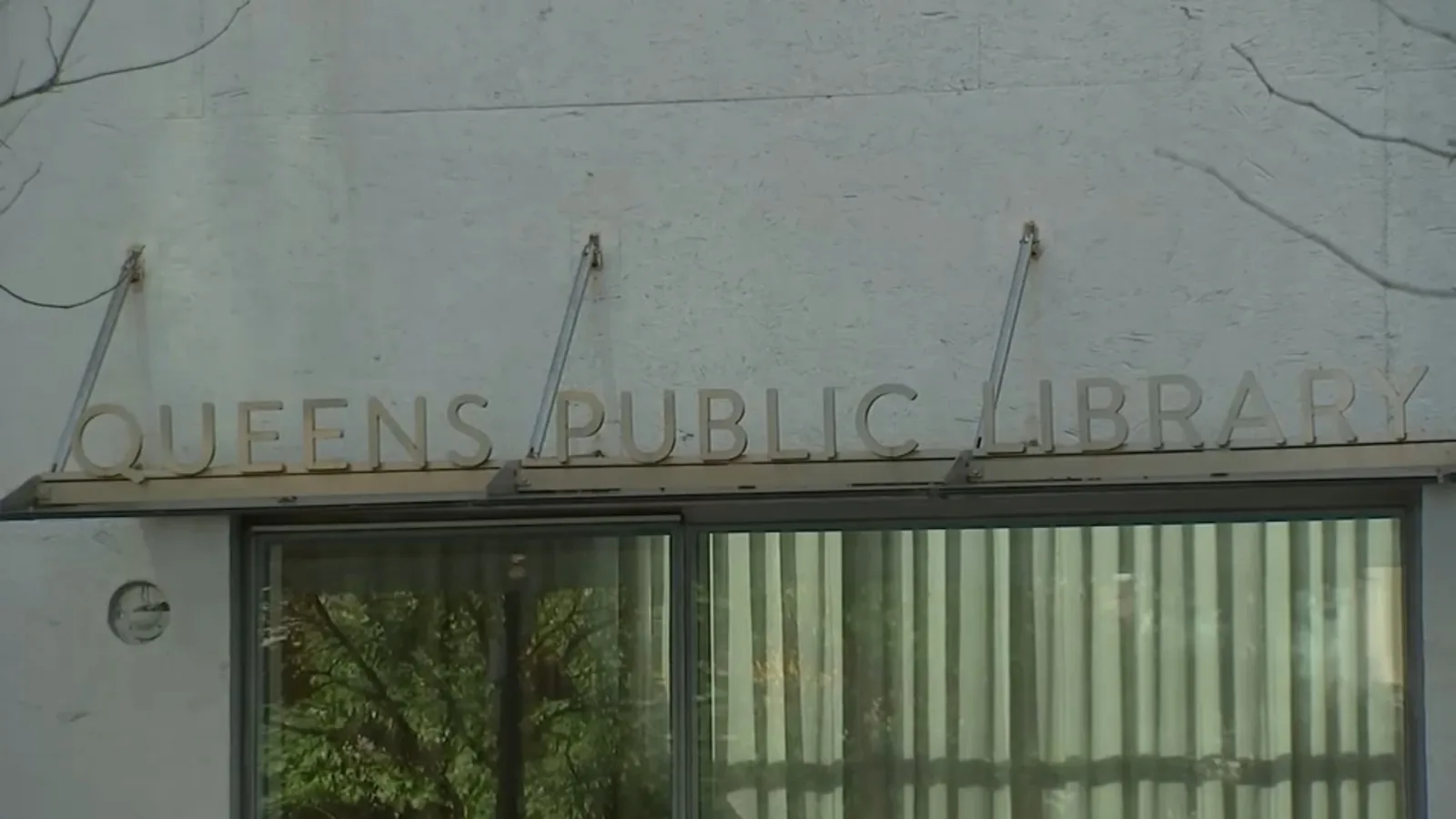
QUEENS, NY — Queens Public Library is still recovering from a ransomware attack that caused a network outage across the system and disrupted services starting Wednesday afternoon. While some functions have come back online, the outage has left the website, mobile app, digital media services and several in-person tools only partially available.
That kind of disruption can create an opening for scammers. When a library, bank or other trusted service is suddenly harder to reach, fake emails, texts and calls can pop up claiming to offer help, account fixes or urgent instructions.
Officials say the library is restoring services in stages and warning patrons that the recovery is still underway. For older adults who rely on library computers, printers, renewals and digital materials, that means it is especially important to verify any message before clicking or replying.
How the scam works
In a situation like this, scammers often pretend to be part of the affected organization. They may send messages that look like service alerts, account notices or instructions to reset a password, then direct people to a fake website designed to capture login credentials or payment information.
They may also use the confusion around the outage itself. A caller or email sender can claim your library account is frozen, your overdue fines must be paid right away, or your digital materials will disappear unless you act immediately. Pressure is the point: the scammer wants you to react before you think it through.
Queens Public Library said its free Wi-Fi has been restored at open locations and that check-out and return machines are operating at limited capacity. The library is also directing visitors to a temporary webpage for basic information and service updates while its regular website remains unavailable.
The warning signs
- Messages that create a sense of panic or demand immediate action.
- Links that send you to a strange-looking website or ask you to enter a password.
- Emails or texts that claim to come from the library but use odd wording, spelling mistakes or unfamiliar addresses.
- Requests for payment, gift cards or personal information to “restore” access.
- Phone calls that ask you to confirm your identity, account number or banking details.
- Any message that says you must act before you can use library services again, especially if it did not come through official library channels.
If you've already paid or shared information
- Contact your bank or card issuer right away if you made a payment or shared financial information.
- Change passwords for any accounts that may have been exposed, especially if you reused the same password elsewhere.
- Turn on two-factor authentication where it is available for added account protection.
- Review recent account activity for unfamiliar logins, charges or changes to contact information.
- Place a fraud alert or freeze your credit if you shared sensitive personal information such as a Social Security number.
- Report the scam to the FTC at ReportFraud.ftc.gov and keep copies of suspicious emails, texts and screenshots.
- If the message appears tied to the library, save it and contact the library through its official channels rather than replying to the message directly.
How to protect yourself
- Use the library’s official website, temporary webpage or social media updates instead of links sent in unexpected messages.
- Do not click on attachments or links in emails or texts unless you were expecting them and can confirm they are real.
- Be skeptical of anyone who says you must pay or verify information quickly to keep access to a service.
- Use strong, unique passwords for important accounts and avoid reusing the same password across multiple sites.
- Keep your phone and computer updated so security fixes are installed when they are released.
- If you are unsure whether a notice is real, pause and call the organization using a known, official number before taking any action.
The bottom line
Queens Public Library says its locations remain open while it works with government partners and outside experts to investigate the ransomware attack and restore more systems. Free Wi-Fi is back at open branches, late fines will not be charged during the disruption, and some equipment is working with limits.
For patrons, the safest approach is simple: rely on official updates, ignore urgent-looking messages that try to rush you, and double-check anything that asks for money or personal information. In a service outage, caution is one of the best protections against fraud.