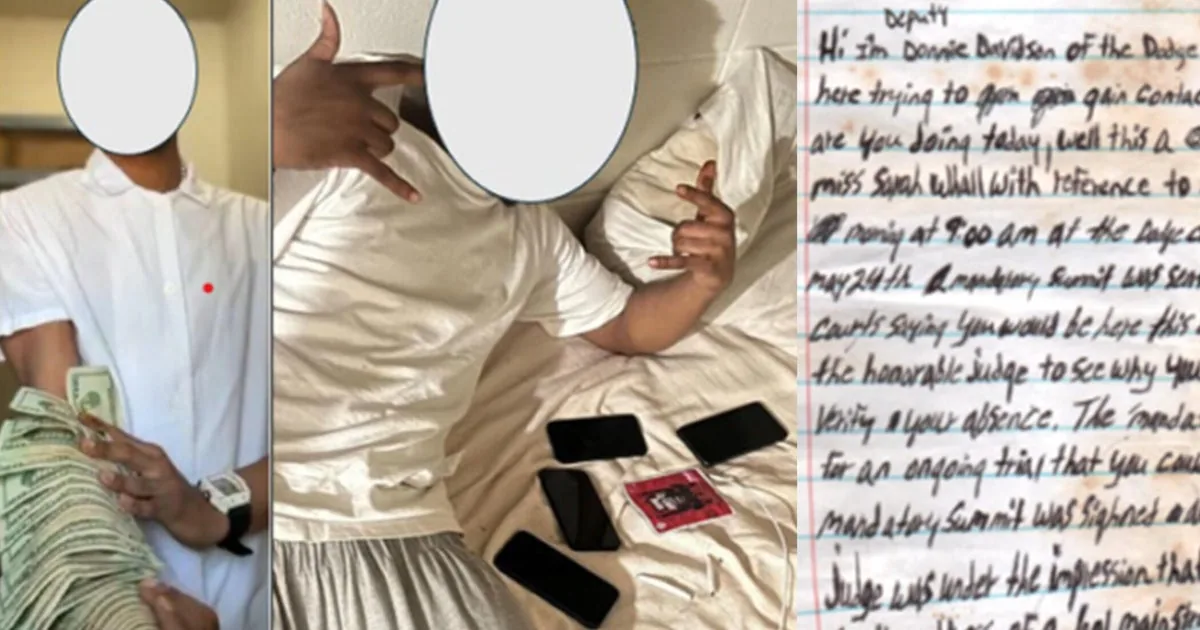
How the scam works
WASHINGTON, DC — Social Security is warning the public about impersonation scams that try to trick people into moving money to a so-called safe account. The pitch is designed to sound urgent and helpful, especially to older Americans who rely on Social Security benefits and may worry about account security.
The agency says a real government employee will never tell you your money is unsafe and urge you to move it. A legitimate caller also will not threaten to suspend benefits unless you pay right away, demand payment through a payment app, cryptocurrency, wire transfer, or gift card, or contact you by text or a messaging app to ask for money or account access.
In many cases, scammers begin with an unexpected text, email, social media message, or phone call. They may say your account has already been compromised and offer to “help,” but that sense of rescue is part of the trap. Social Security says the goal is to create urgency before the person has time to think, check independently, or hang up.
The warning signs
- The caller says your money is not safe and tells you to move it immediately.
- You are threatened with suspended benefits, arrest, or legal action unless you pay right away.
- The person asks for payment through cryptocurrency, a wire transfer, a payment app, or gift cards.
- You are contacted by text or a messaging app and asked for personal information, money, or account access.
- The caller claims to be transferring you to Social Security, the Office of Inspector General, or another agency, but the handoff feels unusual.
- You are asked to keep the conversation secret or act before you can verify the story with a trusted number.
If you've already paid or shared information
- Contact your bank, card issuer, or payment app right away and ask what steps they can take to protect your account.
- Change passwords on financial, email, and Social Security-related accounts, especially if you shared a login or verification code.
- Turn on alerts for bank logins, transfers, and other account activity so you can spot suspicious moves quickly.
- Freeze your credit if you think your personal information could be used to open new accounts in your name.
- Report the scam to the Federal Trade Commission at ReportFraud.ftc.gov, or call (877) 382-4357.
- You can also report suspected fraud through Social Security’s online reporting form or to the agency’s Office of Inspector General at oig.ssa.gov/report.
How to protect yourself
- Pause when a message makes you feel rushed, afraid, or excited, because that pressure is often part of the scam.
- Hang up or ignore the message and contact the agency yourself using a number or website you know is real.
- Never move money to “protect” it, even if the caller sounds official or already knows some of your personal details.
- Do not trust caller ID, photos of badges, or official-looking letters without verifying them independently.
- Remember that honest businesses and agencies give you time to decide and do not insist on instant payment.
- Talk with a trusted family member or friend before taking any action on an unexpected call or message.
The bottom line
Social Security says one of the biggest red flags is any caller who tells you your money is unsafe and needs to be moved immediately. That is not how real government employees handle problems, and it is not how legitimate agencies ask for help.
The safest response is to stop, verify, and report. If you are unsure, hang up and use a number from an official website, not the number in the message, and report suspicious contact so it can be reviewed.