How the scam works
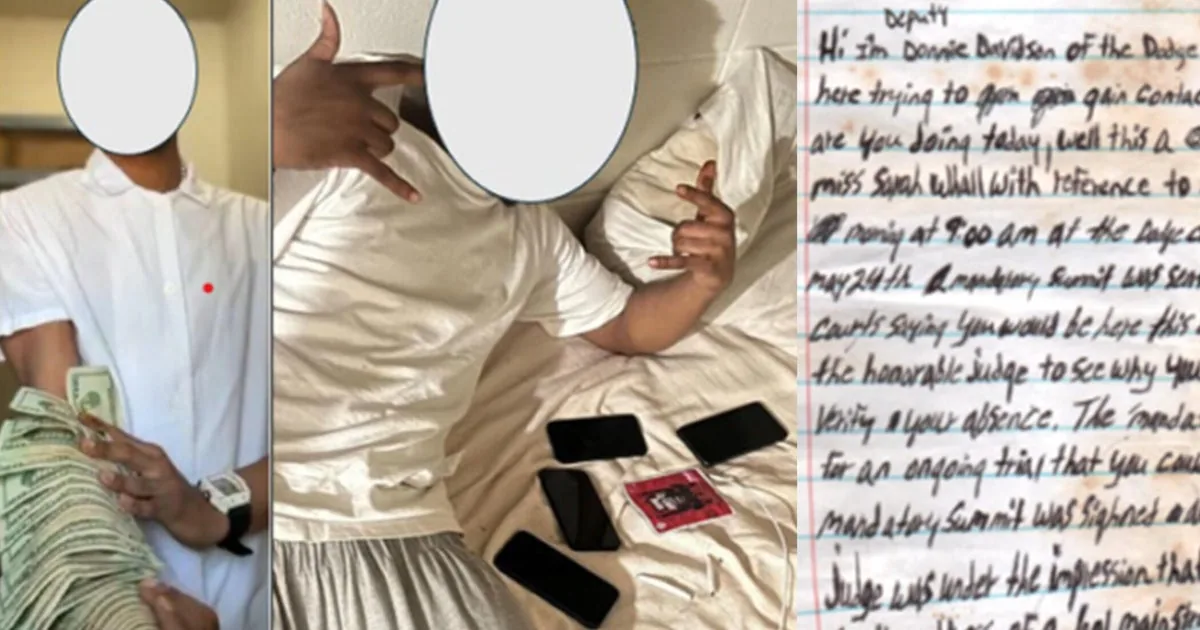
PORTLAND, OR — Federal prosecutors say the case began with a fake dating profile on Plenty of Fish. The profile allegedly claimed the man was a 68-year-old Finnish citizen living in Bend, and it was used to build trust with an Oregon victim over a short period in 2020.
According to court records, the suspect then told a series of dramatic stories to keep the victim engaged and willing to send money. Those claims included a story about a kidnapped grandson, a Mexican drug cartel, and a supposed need for cash to unlock and sell gold bars.
Authorities say the messages were designed to create urgency and fear while discouraging the victim from contacting police. Investigators also allege that the money was routed through bank accounts held by people who were themselves caught up in other online scams and were unknowingly helping move fraud proceeds.
The warning signs
- A dating profile that seems polished but offers few details that can be independently verified.
- Someone who quickly shifts an online relationship toward money requests.
- Claims that a loved one is in immediate danger and payment is needed right away.
- Instructions to keep the matter secret or avoid contacting law enforcement.
- Stories about gold, inheritances, business deals, or travel problems that explain why cash is needed.
- Requests to send money through unusual bank accounts or to people you do not know.
If you've already paid or shared information
- Contact your bank or credit union right away and ask whether any transfers can be stopped or flagged.
- Change passwords on your email, banking, and dating accounts if you shared login details or used the same password elsewhere.
- Watch your accounts closely for unauthorized charges, new transfers, or changes to contact information.
- Freeze your credit if you shared sensitive personal information that could be used to open new accounts.
- Report the scam to the Federal Trade Commission at ReportFraud.ftc.gov.
- Keep copies of messages, payment records, usernames, and account details in case investigators ask for them later.
How to protect yourself
- Be cautious if an online relationship becomes intense quickly or turns toward money before you have met in person.
- Verify details independently by searching names, photos, phone numbers, and locations before sending anything.
- Slow down when someone introduces a crisis, because scammers often rely on pressure and fear to prevent clear thinking.
- Never send money to someone you have not met in person unless you have fully confirmed the need and the identity involved.
- Be wary of any request to keep a financial matter secret from family, friends, or authorities.
- Talk with a trusted relative or friend before making a large transfer, especially if the request feels urgent or emotional.
The bottom line
Federal prosecutors say this case shows how romance scams can combine affection, urgency, and fake emergencies to drain victims of life savings. The allegations describe a scheme that used a false identity, repeated lies, and pressure to keep the victim sending money.
Older adults are often targeted because scammers know trust can be hard to rebuild once a relationship feels personal. A simple rule can help: if someone you have only met online wants secrecy and money, stop and verify before sending a cent.