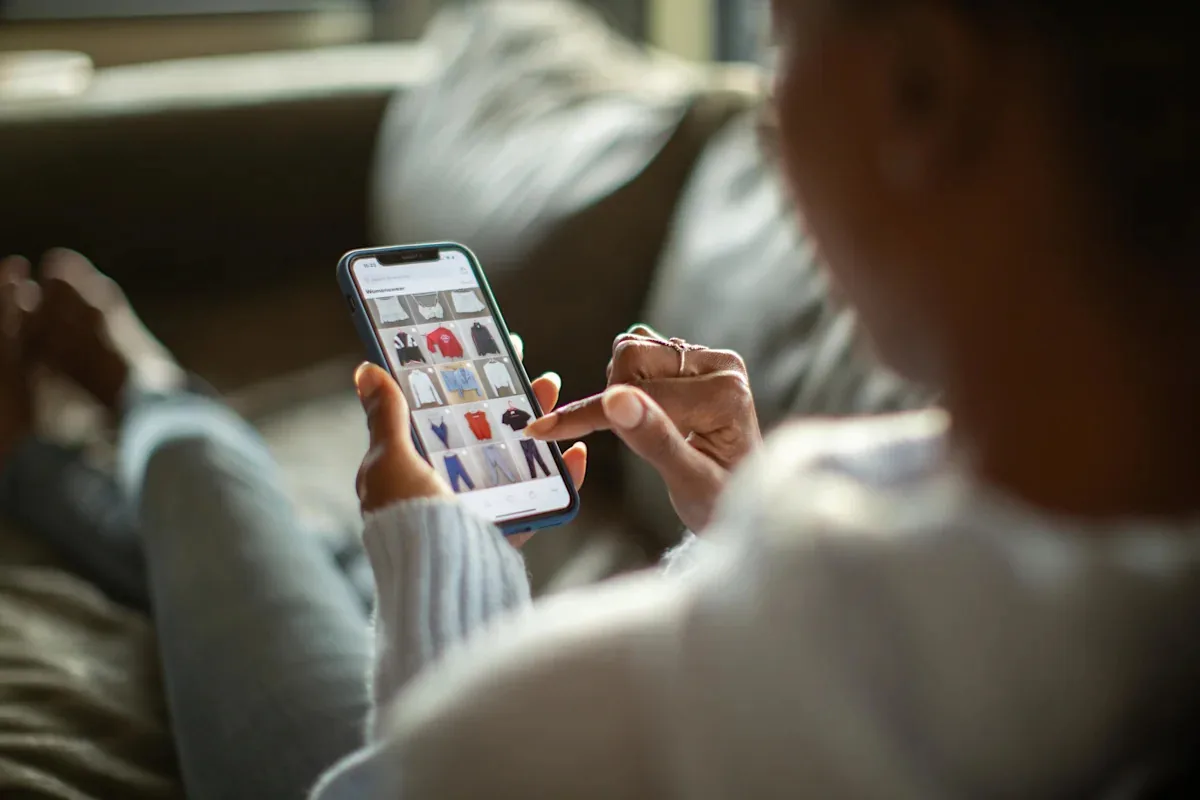
Holiday shopping scams are picking up as buying season starts
GRAND RAPIDS, MI — Michigan officials are warning shoppers to be on guard as holiday buying ramps up and scammers look for people who are busy, distracted or trying to move quickly. Attorney General Dana Nessel says fraudsters are using the season to steal money and personal information from consumers of all ages.
The warning comes as many people shop online for gifts and rely on links shared through social media, email and text messages. That convenience can make it easier for a fake seller or phishing attempt to blend in with legitimate offers.
Nessel said more people are falling for shopping scams now than in the past, and she urged consumers to learn what the schemes look like before they click or pay. The basic idea is simple: scammers try to create urgency, excitement or trust before a buyer has time to slow down and check the details.
How the scam works
One common tactic is a phishing message that looks like it came from a store, shipping company or payment service. The message may include a link that leads to a fake login page or a form asking for bank information, passwords or other personal details. Once that information is entered, scammers can use it to access accounts or make unauthorized purchases.
Another approach is the fake retailer website. These pages may copy the look of a real store and even advertise popular brands or seasonal items at very low prices. Shoppers who arrive through a social media ad or a shared link may not notice the warning signs until after they have paid and the order never shows up, or the item that arrives turns out to be counterfeit.
Michigan officials also warn about sellers who insist on unusual payment methods such as gift cards, cash apps or cryptocurrency. Those forms of payment can be hard to trace and difficult to reverse, which is why scammers like them. A pressure-filled sales pitch, especially one that pushes an immediate decision, is often part of the setup.
The warning signs
- Messages or ads that push you to click quickly without giving you time to check the seller.
- Websites that look familiar but have odd spellings, strange web addresses or little company information.
- Prices that are far below normal and seem too good for a name-brand product.
- Sellers who ask for payment by gift card, cash app or cryptocurrency instead of a standard purchase method.
- Links sent through social media or text that ask for personal, banking or login information.
- Product listings that promise premium goods but give vague descriptions, missing contact details or no clear return policy.
If you've already paid or shared information
- Contact your bank, credit card company or payment app right away and ask what steps you can take to protect the account.
- Change passwords for any accounts that may have been exposed, especially if you reused the same password elsewhere.
- Watch account activity closely for unauthorized charges, sign-ins or new devices that you do not recognize.
- Place a fraud alert or credit freeze with the major credit bureaus if personal information such as a Social Security number was shared.
- Report the scam to the Federal Trade Commission at ReportFraud.ftc.gov so investigators can track patterns and warn other consumers.
- File a complaint with the Michigan Attorney General’s Office if the scam involved a retailer, online seller or other consumer transaction in the state.
How to protect yourself
- Go directly to a retailer’s official website instead of opening shopping links from social media posts, texts or unsolicited emails.
- Slow down when you see a deal that feels rushed, because scammers often depend on fast decisions and holiday stress.
- Check the web address, seller name and contact information before entering any payment or login details.
- Use payment methods that offer stronger buyer protection when possible, and be cautious with requests for gift cards or cryptocurrency.
- Compare prices across several reputable stores so you can spot offers that are far below the market rate.
- Review consumer alerts and scam warnings from the Michigan Attorney General’s Office before buying from a seller you do not know.
The bottom line
Holiday scams work because they copy the look and pace of real shopping. A cautious click, a careful price check and a pause before paying can prevent many of the most common losses.
Michigan officials say consumers who stay informed are less likely to be caught off guard. If something seems rushed, suspicious or unusually cheap, it is worth stopping and checking before you buy.