How the scam works
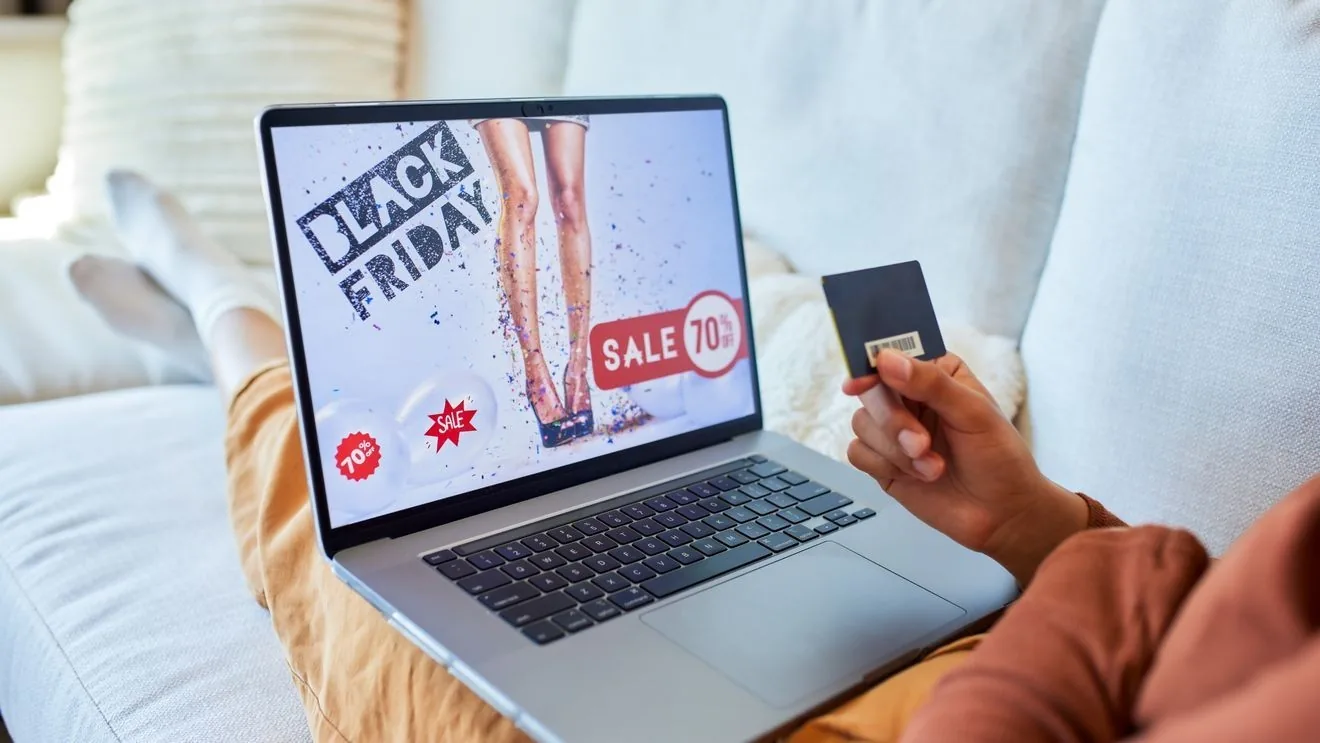
COLUMBUS, OH — As holiday shopping picks up, scammers often take advantage of busy buyers who are trying to compare deals quickly and finish orders before sales end. The Better Business Bureau is warning shoppers to slow down, because fake stores, copied ads and lookalike checkout pages can be used to steal money or personal information.
One common trick is to build websites that appear to belong to real retailers. The pages may use familiar logos, product photos and sales language, but the checkout process can send payment to a criminal instead of a legitimate merchant. In other cases, scammers use ads, emails or texts to push shoppers toward a fake link that looks urgent and official.
Holiday shopping also brings delivery-related risks. Packages left outside can be stolen after they are dropped off, and some retailers change return policies around Cyber Monday and the broader holiday season. That makes it even more important to check the seller, confirm the payment method and understand the terms before clicking buy.
The warning signs
- The website looks polished but the address, seller name or contact information does not match the retailer you expected.
- A deal seems unusually large, especially on popular gifts that are selling quickly elsewhere.
- The seller pushes you to pay by wire transfer, prepaid debit card or another method that is hard to trace.
- You are sent to a checkout page from an unsolicited email, text or ad instead of going directly to the retailer yourself.
- The site has little reputation history, a weak BBB rating or few believable customer reviews.
- The seller is vague about shipping times, delivery protection or return rules, especially during the holiday rush.
If you've already paid or shared information
- Contact your bank, card issuer or payment app right away to report the charge and ask what protections may be available.
- Change passwords for any accounts you may have used on the suspicious site, especially if you reused a login elsewhere.
- Monitor your statements closely for other unfamiliar charges and keep an eye out for follow-up scam messages.
- If you shared personal details, consider placing a fraud alert or credit freeze with the credit bureaus to help limit new-account abuse.
- Save emails, receipts, screenshots and website addresses, then report the scam at ReportFraud.ftc.gov.
- If a package was stolen, check with the retailer and delivery service about replacement or claims options, and consider delivery to a secure locker next time.
How to protect yourself
- Go directly to a retailer’s website or app instead of clicking through a sales link in a message.
- Check BBB.org, customer reviews and the seller’s contact details before placing an order.
- Use secure checkout methods and avoid payment options that are difficult to dispute or reverse.
- Read the return policy before buying, because some stores change their rules during major sales events.
- Use package lockers, signature delivery or a trusted pickup location when possible to reduce porch theft.
- Be cautious with Afterpay, Affirm and similar services, because missed payments can lead to fees and added stress.
The bottom line
Cyber Monday can be a good time to shop, but it also gives scammers more chances to blend in with legitimate retailers and delivery notices. A few extra minutes spent checking the seller, payment method and return policy can help prevent a costly mistake.
The safest approach is to slow down, verify before you buy and treat unexpected messages with skepticism. If something feels rushed, confusing or too good to be true, it is worth stepping back and double-checking before you pay.