How the scam works
DAVIS, CA — The scam described by Jody Ono followed a carefully staged script. A caller first pretended to be tied to Kaiser Permanente, then connected him to people claiming to be with the New York Police Department. From there, the scammers built a story that he was implicated in a money-laundering case and needed to cooperate immediately to clear his name.
That kind of fraud works because it borrows the authority of institutions people recognize and trust. The callers used official-sounding titles, private messaging apps, and repeated check-ins to keep Ono off balance. They also pushed secrecy, telling him not to talk to family, friends, or a lawyer, which is a major warning sign in almost any scam.
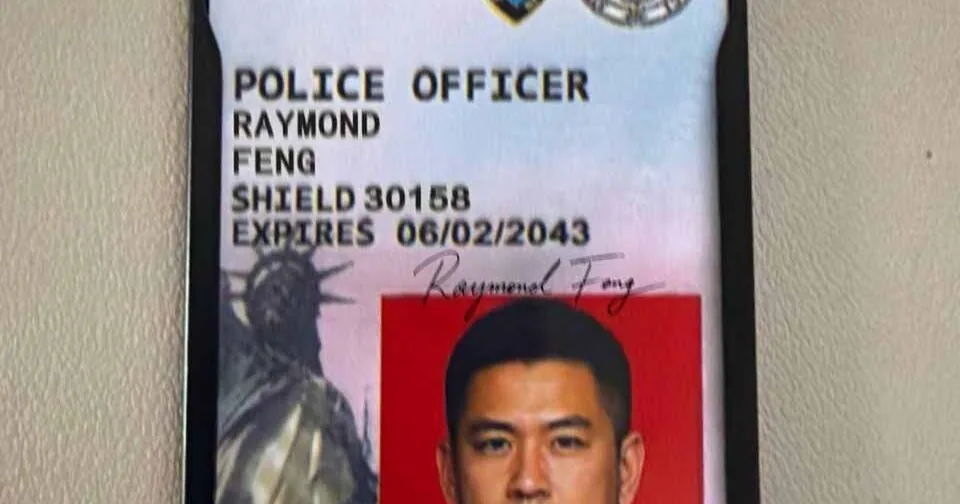
As the scheme unfolded, the callers escalated from phone conversations to documents that appeared to be arrest warrants and asset-freeze orders. They then convinced Ono to move money into a new account and later requested additional transfers. Fraud experts often warn that once a caller uses fear, urgency and isolation together, the goal is usually to keep the target from pausing long enough to verify anything independently.
The warning signs
- Caller ID shows a familiar name or institution, but the person on the line quickly starts asking for sensitive personal or financial details.
- The caller says you are a suspect in a crime, but insists you can fix everything by acting immediately.
- You are told to keep the matter secret and not speak with family, friends, or a lawyer.
- The scammer uses a messaging app or constant check-ins to control your time and keep pressure on you.
- You are shown documents that look official, such as warrants, court orders, or government forms, but you are not given any independent way to verify them.
- The caller demands bank account numbers, retirement information, passwords, or transfers to a new account that you did not open yourself.
If you've already paid or shared information
- Contact your bank, credit union, and any investment firm right away and ask about stopping or reversing transfers, if possible.
- Change passwords on email, banking, and other important accounts, especially if you shared login details or verification codes.
- Ask the three major credit bureaus about placing a fraud alert or credit freeze to help limit new accounts being opened in your name.
- Report the scam to the FTC at ReportFraud.ftc.gov and include as many details as you can remember.
- File a complaint with the FBI’s Internet Crime Complaint Center at IC3.gov if money moved through online or wire transfers.
- Save call logs, texts, screenshots, emails, account numbers, and transfer records in case your bank or police need them later.
How to protect yourself
- Hang up and call the organization back using a phone number from its official website, your card, or a recent statement.
- Never trust caller ID by itself, because scammers can make a call appear to come from a real company or agency.
- Be skeptical of anyone who says you are under investigation and must move money to protect it.
- Do not send money, provide account access, or share personal information just because a caller sounds urgent or authoritative.
- Do not let anyone pressure you into secrecy; legitimate institutions do not usually tell people to hide a case from family or counsel.
- Pause before acting if a caller demands a transfer, especially when the request involves a new account, a wire, or a payment to “verify” funds.
The bottom line
This scam used fear, fake authority and carefully timed pressure to convince one victim that he was helping clear his name. The lesson for other consumers is simple: stop, verify, and involve a trusted second set of eyes before moving money or sharing sensitive records.
If a caller claims to be police, the IRS, a bank, or a health-care provider, do not use the number they give you. End the call and contact the organization through a known, independent number instead.