How the scam works
SEATTLE, WA — Federal prosecutors in Western Washington are drawing attention to several fraud cases that reflect how modern scams often start with one simple promise: easy money, a loving relationship, expert help, or urgent action from someone who seems official. The victims in these cases included an older retiree, vulnerable investors, romance targets, and seriously ill veterans.
Each scheme used a different hook, but the pattern was familiar. Scammers kept the contact going long enough to build trust, create fear, or wear down their targets, then pushed them to send money, share personal information, or follow instructions that benefited the criminals.
Officials say these frauds can reach people by phone, email, social media, text, or even through someone already behind bars. In one Western Washington case, a man was convicted of impersonating Department of Veterans Affairs medical staff while operating from inside the King County Jail. In another, scammers falsely claimed a woman had won a lottery but needed to pay fees to collect her prize.
The warning signs
- You are told you won money, a prize, or an investment opportunity, but first you must pay fees, taxes, or shipping costs.
- Someone pressures you to act quickly, keep the matter secret, or avoid talking to family, a bank, or law enforcement.
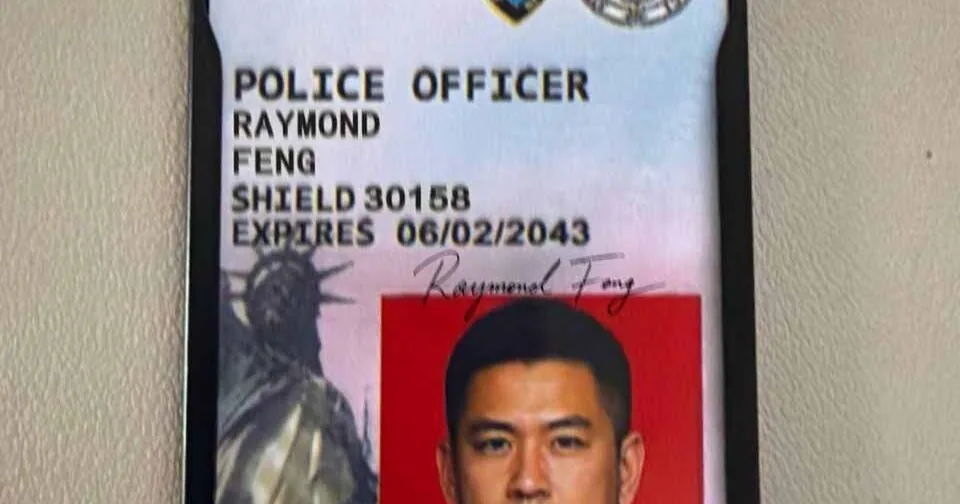
- The caller or sender claims to be a government official, bank employee, doctor, lawyer, or military member but refuses to verify their identity.
- The message comes with unusual payment instructions, such as wiring money, using cryptocurrency, buying gift cards, or handing over cash or gold.
- A new online romantic contact quickly asks for money, especially after telling a dramatic story about travel, illness, or military service.
- Anyone says your money is cursed, blocked, or at risk unless you pay for a cleansing, protection, or recovery service.
If you've already paid or shared information
- Contact your bank, credit union, card issuer, or payment app right away and explain that you may have been scammed.
- Change passwords for email, financial, and social media accounts if you shared login details or clicked on suspicious links.
- Place a fraud alert or credit freeze with the major credit bureaus if you gave away Social Security numbers or other sensitive personal information.
- Report the scam to the FTC at ReportFraud.ftc.gov and keep copies of emails, texts, receipts, usernames, and phone numbers.
- Notify local police or your state consumer protection office if money was sent, accounts were accessed, or identity theft may follow.
- If the scam involved a retirement account, benefits account, or a business account, tell the institution immediately and ask what additional security steps it recommends.
How to protect yourself
- Pause before paying anyone who says you must send money to unlock a prize, solve a problem, or recover lost funds.
- Verify claims by using a phone number or website you found yourself, not the one in the message or caller ID.
- Be skeptical of anyone who asks you to move a conversation off platform or refuses a video call, mailing address, or official callback number.
- Never send cash, gold, gift cards, wire transfers, or cryptocurrency to someone you do not know well and trust completely.
- Talk with a trusted relative, friend, or advisor before making financial decisions when the request is urgent, emotional, or secretive.
- Be cautious with unsolicited offers tied to romance, investments, healthcare, or government benefits, because scammers often mix those themes to sound convincing.
The bottom line
Officials say these cases show how fraudsters keep adapting, but the warning signs remain consistent: pressure, secrecy, and requests for unusual payments. Older adults, veterans, and people facing stress or isolation are often singled out because scammers believe they are more likely to comply.
The safest response is to slow down, verify independently, and stop the conversation if anything feels off. A legitimate company or agency will not mind if you take time to check before you pay or share personal information.