How the scam works
WORTHINGTON, OH — Worthington police say scammers are contacting people by phone, text, or email and claiming there is a warrant for their arrest. The goal is to frighten the victim into acting quickly before they have time to think, verify the claim, or call someone for help.
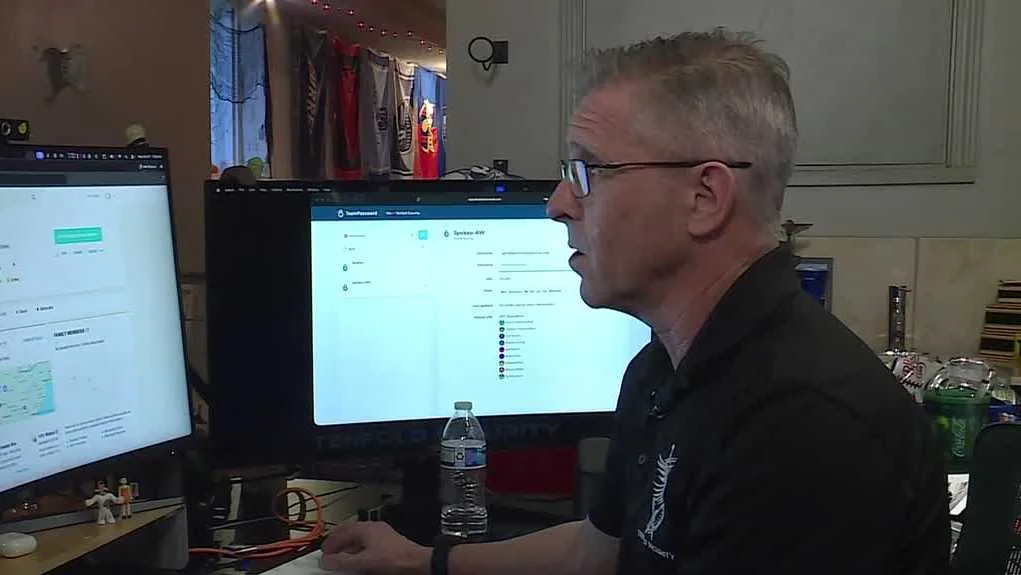
Detective Steve Luoma said the scam often moves fast. A caller may say money must be paid to clear the warrant, then stay on the line while the person goes to a bank or uses a cryptocurrency ATM to send funds into a digital wallet.
Once the money is converted to cryptocurrency, it can be sent through multiple wallets, which makes it much harder for investigators to follow. Worthington police say they have seen losses in the hundreds of thousands of dollars, and this year alone they have investigated about $114,000 in losses while recovering $15,000 in scam cases.
The warning signs
- A caller says you have an arrest warrant and must pay immediately to avoid trouble.
- The person insists law enforcement will not arrest you in person, which is not how real warrant service works.
- You are told to keep the call private and not contact family, your bank, or police.
- The scammer pressures you to withdraw cash and deposit it into a cryptocurrency ATM.
- You are asked to follow detailed instructions while the caller stays on the line.
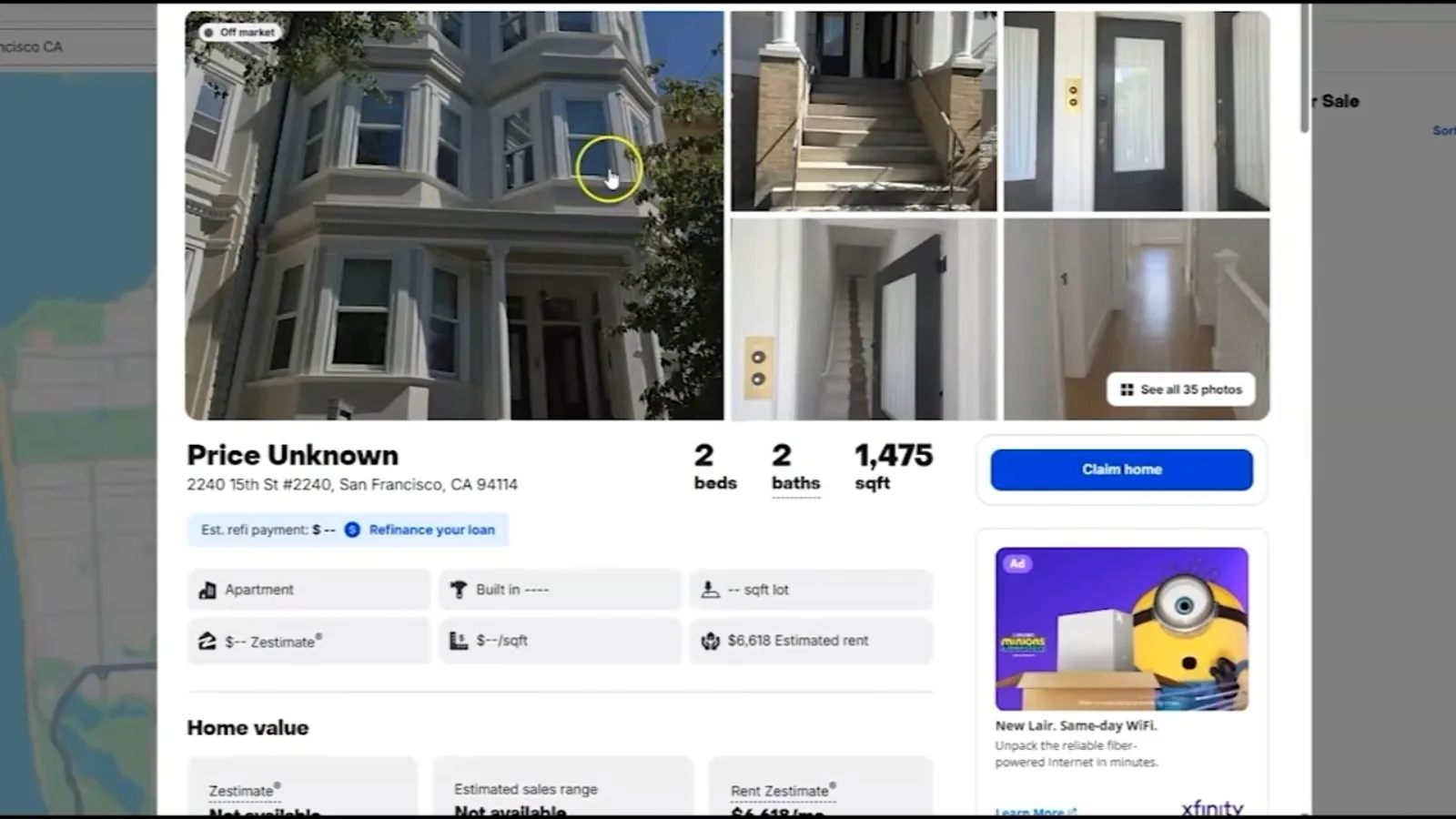
- The documents you receive look official but contain odd wording, mismatched details, or names that do not add up.
If you've already paid or shared information
- Contact your bank or credit card company right away and tell them you may have been scammed.
- If you used a cryptocurrency ATM or sent crypto, save every receipt, wallet address, phone number, email, and screenshot you have.
- Change passwords for any accounts that may have been exposed, especially email and banking accounts.
- Watch your financial accounts closely for unfamiliar transfers or withdrawals.
- Freeze your credit if you shared personal information that could be used to open new accounts in your name.
- Report the scam to the FTC at ReportFraud.ftc.gov and contact local police to make a report.
- If you are unsure what to do next, ask a trusted family member, friend, or advisor to help you review the messages and documents.
How to protect yourself
- Remember that police will not warn you about an arrest warrant by phone, text, or email.
- Do not let a stranger rush you into withdrawing cash or sending cryptocurrency.
- Before taking any action, hang up and call the agency directly using a number you find yourself.
- Be skeptical of any message that uses fear, urgency, or secrecy to make you act fast.
- If you are curious about cryptocurrency, learn about it first through trusted sources rather than following instructions from a stranger.
- Ask for help early if anything feels off, because scammers often rely on embarrassment to keep victims quiet.
The bottom line
Worthington police say this scam works because it mixes fear, urgency, and believable-looking paperwork. The details can look convincing, but the pressure to pay through crypto is a major red flag.
If you get a call or message like this, stop and verify before you move any money. Reaching out for help quickly can make a difference, and police say they would rather hear from you early than after the funds are gone.