How the scam works
KANSAS CITY, MO — Scammers do not need to know everything about you to sound convincing. A phone number, home address, date of birth, job history, or the names of relatives can be enough to make a call, text, or email feel legitimate.
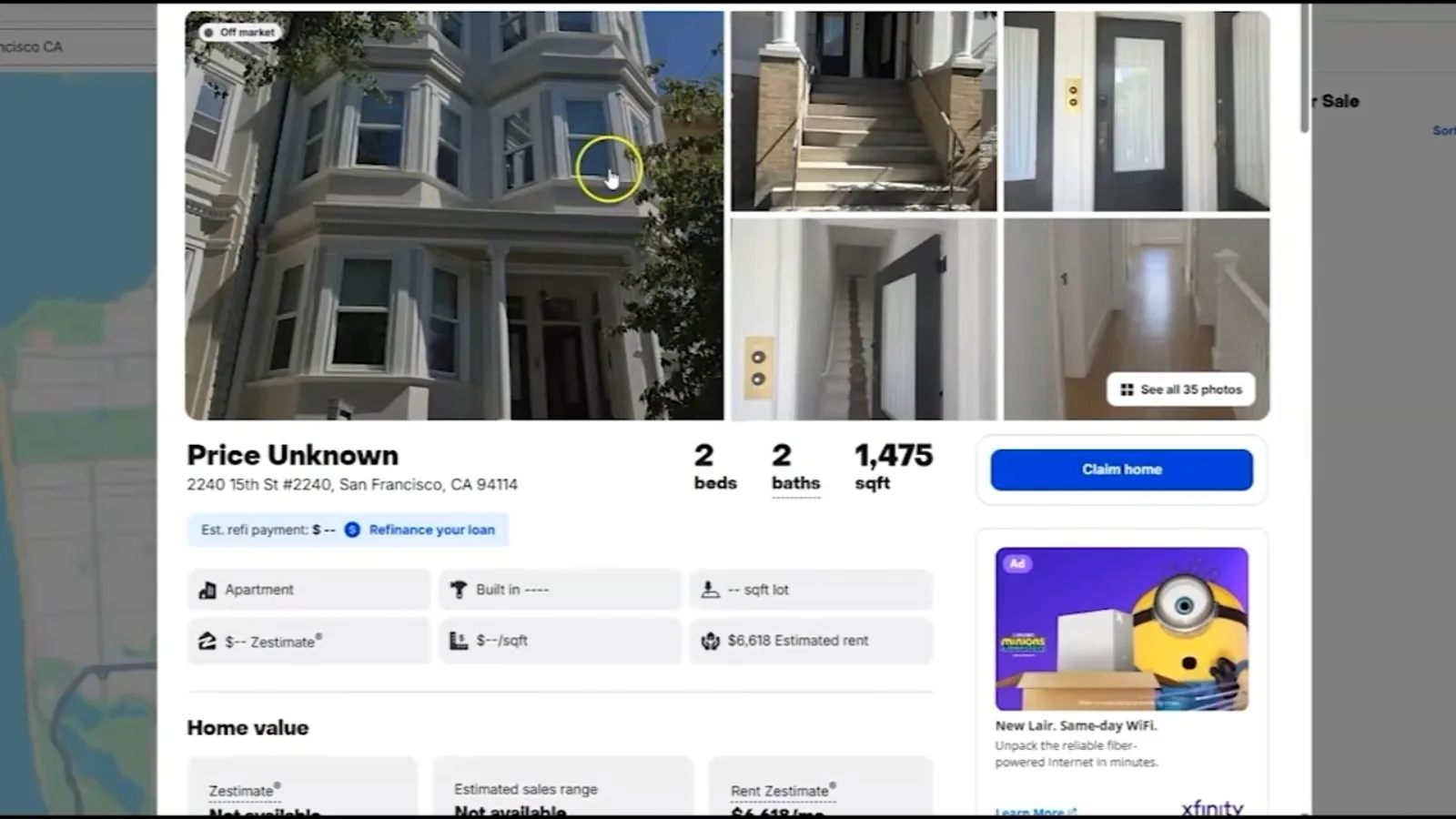
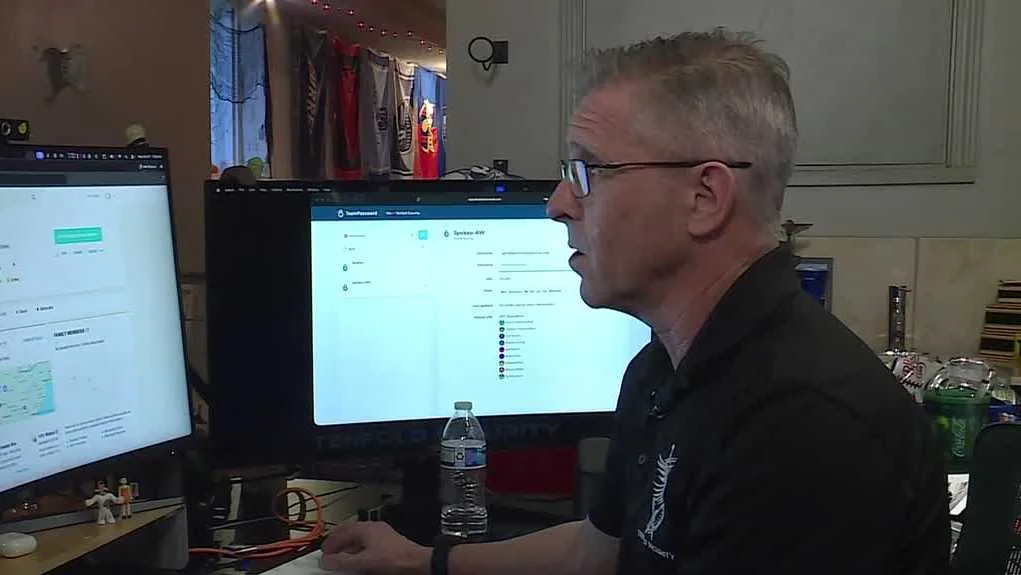
Cybersecurity expert Aaron Weissenfluh told KMBC that this information is often easy to gather from public records, websites, apps, and data brokers that collect and sell profiles built from many sources. Artificial intelligence can now help connect those scattered details to one person much faster than before.
That makes it easier for criminals to build a profile around where you live, where you have worked, who you know, and what might get your attention. A message that uses those details can sound personal, urgent, and trustworthy even when it is fake.
The warning signs
- A caller, email, or text already knows your address, relatives, workplace, or other personal details.
- The message tries to rush you into acting right away or creating a sense of fear.
- Someone asks for sensitive information such as your Social Security number, date of birth, or full banking details without a clear reason.
- You find your name, phone number, or previous addresses listed on a people-search website you did not recognize.
- A website or app asks for more personal information than seems necessary for the service.
- The contact tries to sound familiar by using details that were likely pulled from public records or online profiles.
If you've already paid or shared information
- Contact your bank, card issuer, or payment app right away if money was sent or a card number was shared.
- Change passwords for your email and any other accounts that may be linked to the information you gave out.
- Turn on multifactor authentication where available, especially for email and financial accounts.
- Place a free credit freeze with all three major credit bureaus if identity theft may be a risk.
- Review your credit reports and account activity for signs of new accounts or changes you do not recognize.
- Report the scam to the FTC at ReportFraud.ftc.gov and keep any emails, texts, screenshots, or phone numbers tied to the contact.
How to protect yourself
- Search your own name online, along with your city or state, so you can see what personal details are already public.
- Use Google’s Results about you tool to look for phone numbers, home addresses, and email addresses that appear in search results.
- Request removal from people-search sites by looking for privacy, opt-out, or remove-my-information links at the bottom of those pages.
- Freeze your credit if you want another layer of protection against new credit accounts being opened in your name.
- Use a strong, unique password for your main email account because email is often the gateway to password resets on other accounts.
- Think carefully before entering a Social Security number, birth date, or home address into a website or app, and ask why it is needed.
The bottom line
It is probably impossible to erase every trace of yourself from the internet, but that does not mean you are powerless. Public records, archived pages, and data already collected by businesses can leave a trail, yet you can still reduce what strangers can easily find.
The best first step is simple: search your own name and see what shows up. Once you know what is public, you can start removing what you can and making it harder for scammers to use your information against you.