How the scam works
LINCOLN CITY, OR — Police in Lincoln City are warning residents about a fraud scheme that has already cost one local victim $50,000. In these scams, criminals contact people by phone or email and claim there is an urgent problem that must be fixed with immediate payment.
One common version uses fear to push the target into acting fast. The caller may pretend to be with the FBI, a retailer, or another authority figure and say the victim could be arrested unless money is paid right away.
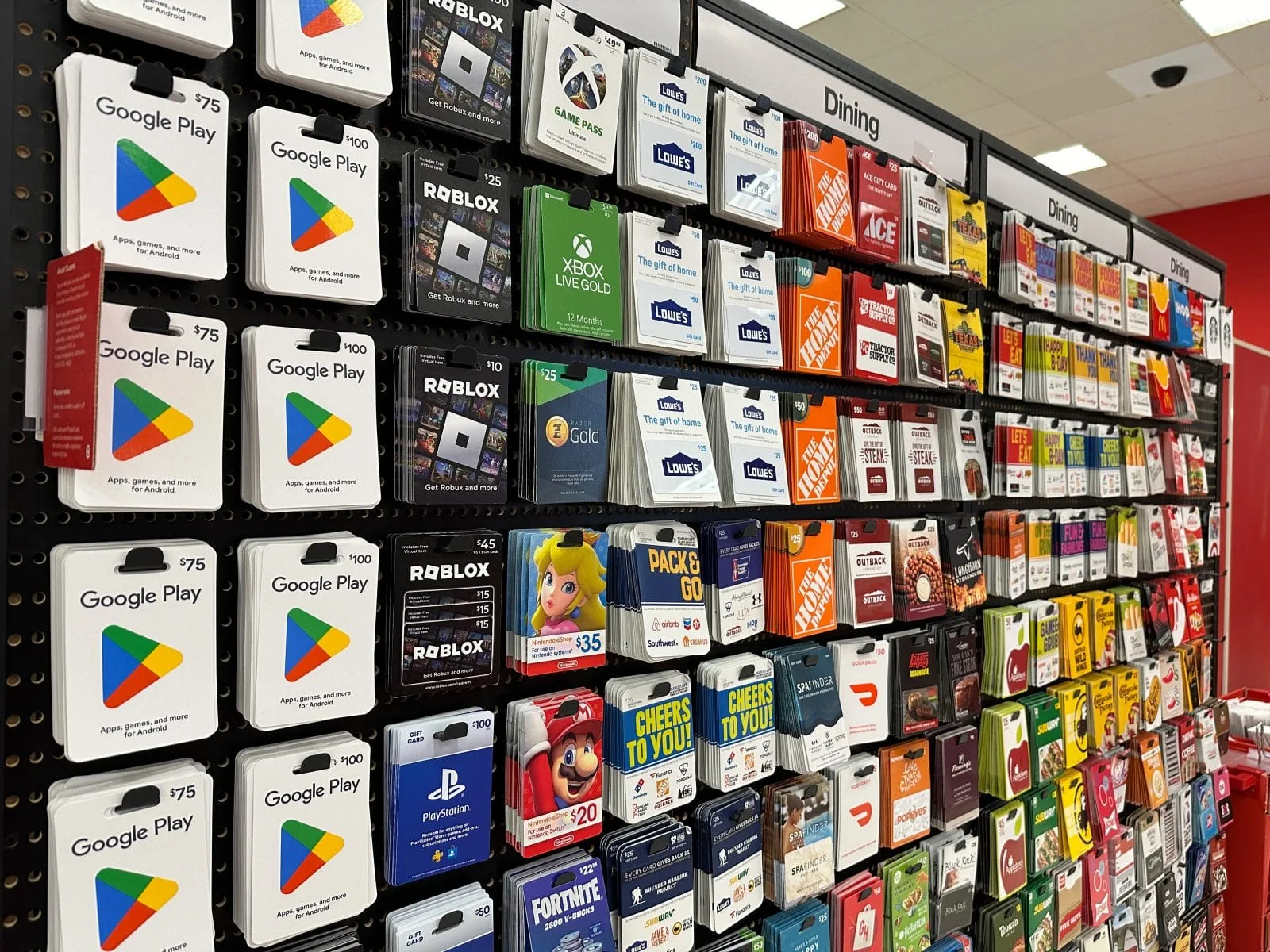
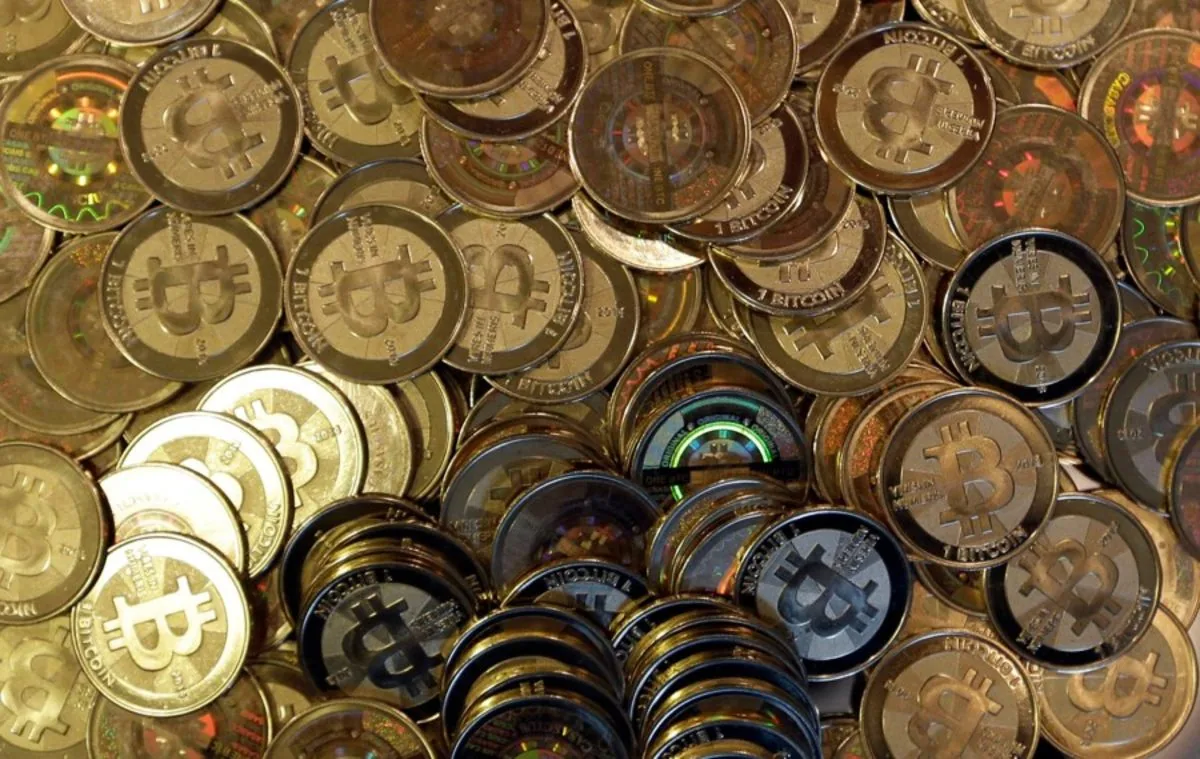
Investigators say the point is to create panic and stop the person from thinking through whether the story makes sense. Scammers often demand payment in gift cards, cryptocurrency, gold bars, or cash handed to a courier because those methods are difficult to trace and nearly impossible to reverse.
The FBI says this kind of fraud works because it gets people into an autopilot mode. Once a victim is convinced there is a deadline or a threat hanging over them, they may follow instructions without checking whether the request is real.
The warning signs
- Someone contacts you out of the blue and insists you owe money immediately.
- The caller says you could be arrested, punished, or investigated unless you pay right away.
- You are told not to talk to family, friends, your bank, or police about the request.
- The payment method involves gift cards, cryptocurrency, gold bars, or a courier picking up cash.
- The explanation does not make sense, or the story changes when you ask questions.
- You feel rushed, scared, or pressured to act before you can verify the claim.
If you've already paid or shared information
- Contact your bank or card issuer right away and tell them you may have been the victim of a scam.
- If you used gift cards, crypto, or another app-based payment, save every receipt, message, wallet address, or transaction record you have.
- Change passwords for any accounts that may have been exposed, especially email and financial accounts.
- Watch your bank and credit card statements closely for charges you do not recognize.
- Consider placing a freeze or fraud alert on your credit if you shared sensitive personal information.
- Report the scam at ReportFraud.ftc.gov and also contact local police if money was taken.
How to protect yourself
- Pause any time someone demands payment and says the matter is urgent.
- Hang up or stop replying, then contact the agency or company through a phone number you find on your own.
- Remember that legitimate businesses and government agencies do not usually demand payment in gift cards or cryptocurrency.
- Never give gift card codes, wallet details, or access to a courier you did not arrange yourself.
- Talk with family members, especially older relatives, about how imposter scams use fear to trick people into acting fast.
- If a message feels off, trust that feeling and verify it before sending money or sharing information.
The bottom line
Lincoln City police say the latest case is a reminder that fraudsters often rely on urgency, confusion, and fear rather than technical tricks. The safest response is to slow down and verify any request before money changes hands.
Taking a moment to question the story can stop a scam before it starts. If a demand involves unusual payment methods or a threat of arrest, treat it as a warning sign and check it independently.