How the scam works
WASHINGTON, DC — A holiday gift card can look fully legitimate at checkout and still be worthless later. Consumer warnings from the Federal Trade Commission say scammers can steal the card number or security details before a shopper buys it, then wait for the money to be loaded.
That means the card may be activated normally, wrapped up, and handed over with no obvious problem. The trouble often shows up only when the recipient tries to spend it and learns the balance has already been drained.
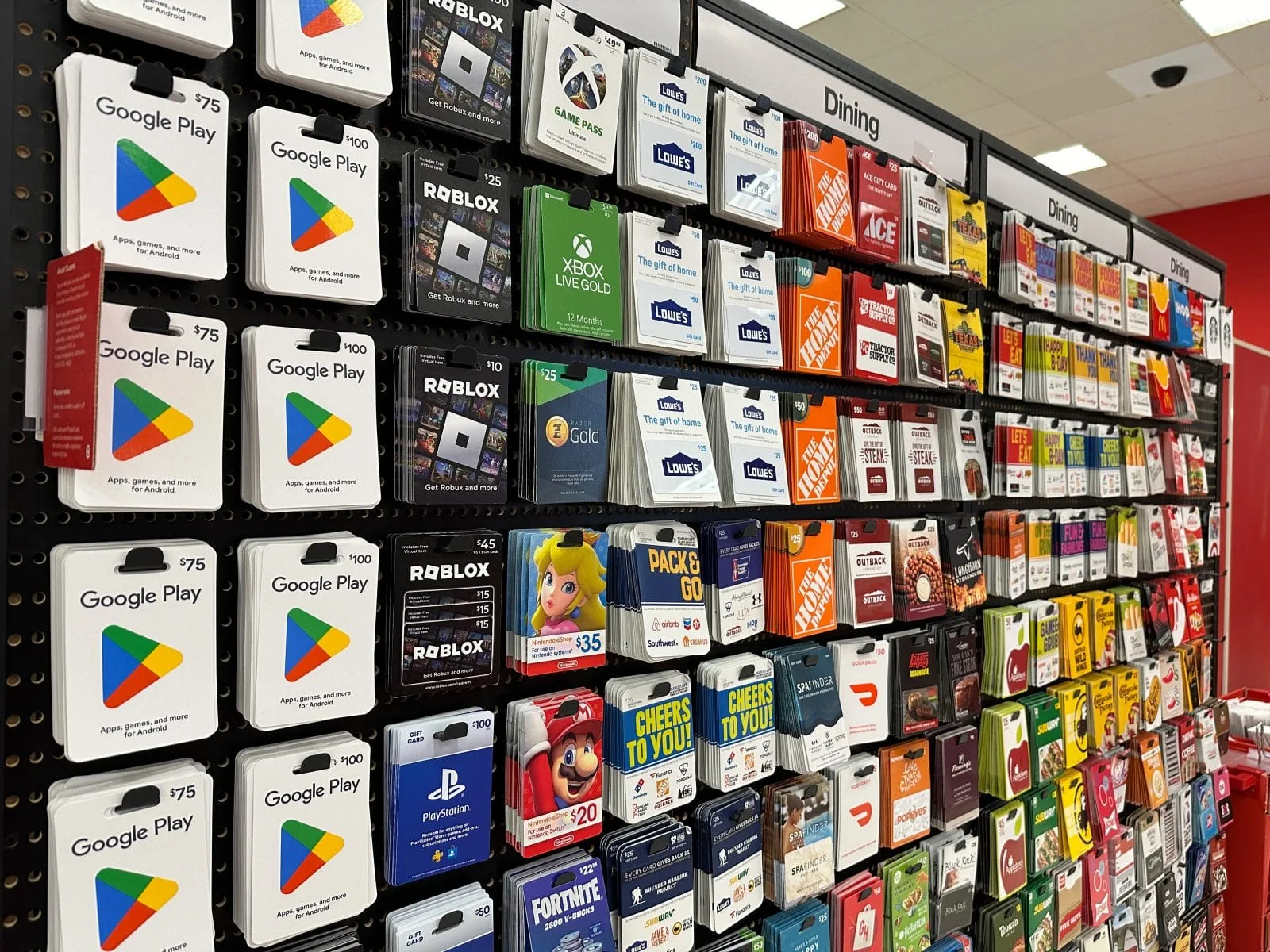
In some cases, criminals target cards hanging on store racks by removing protective layers, copying the information, and putting the package back. Other schemes involve altered barcodes or labels that send the value to a different card. Either way, the shopper believes they bought a standard gift card, while the thief has already positioned themselves to use the funds.
The warning signs
- Cards with scratched-off areas, peeled stickers, or packaging that looks opened and resealed.
- Gift cards that appear bent, swapped, or otherwise handled more than the others on the display.
- Barcode labels or activation panels that do not look uniform with the rest of the rack.
- Receipts or activation details that do not match the card you selected.
- Unexpectedly low or zero balances when the recipient checks the card soon after purchase.
- Store displays where one suspicious card may mean others nearby were also tampered with.
The FTC says shoppers should treat damaged packaging as a red flag, not as a small cosmetic issue. If a card looks off, it is safer to choose another one or ask the store to review the display before buying.
It also helps to remember that a neat-looking package is not proof the card is safe. Crooks can be careful, and the outside may look ordinary even when the information inside has already been copied.
If you've already paid or shared information
- Contact the gift card issuer right away and explain that the balance may have been stolen before use.
- Keep your receipt, card number, activation details, and any balance-check results together in one place.
- Notify the store where you bought the card so staff can look for possible tampering on the display.
- Ask whether the issuer can freeze any remaining value while it reviews the problem.
- If you used a credit card for the purchase, contact the card issuer to ask about dispute options that may apply.
- Report the fraud to the FTC at ReportFraud.ftc.gov and save the case number for your records.
If you shared the gift card number or PIN online, change any related passwords and watch for additional suspicious activity. Do not post images of the card, receipt, or code online, even in a private-looking message thread.
For balance problems, act quickly. Some companies may be able to investigate sooner if you call before too much time passes, and early reporting can make it easier to document what happened.
How to protect yourself
- Buy gift cards from a retailer you trust, and inspect every card before it goes in your cart.
- Consider purchasing directly from the issuer’s official website or customer service desk when possible.
- Use the company’s official website or phone number to check the balance, not a link from a message or ad.
- Pay with a credit card when you can, since that may offer stronger purchase protection than other payment methods.
- Keep the receipt until the recipient confirms the card works and the balance is intact.
- Store the card details in a safe place and avoid sharing photos that reveal the number or PIN.
It is also smart to compare what is printed on the card with what appears on the receipt, when enough information is available to do so safely. If anything looks inconsistent, stop and ask the retailer to look into it before leaving the store.
For bigger holiday purchases, some families may want to think twice about how much value they load onto any one card. A smaller balance can limit the damage if something goes wrong.
The bottom line
Gift card draining can turn an easy holiday purchase into an empty balance and a disappointing gift. The scam works because the card may look fine at the register while the fraud has already happened behind the scenes.
A few habits can lower the risk: inspect the packaging, save your receipt, verify balances through official channels, and report problems quickly. Those small checks can help protect both the gift and the money you already set aside for the season.