How the scam works
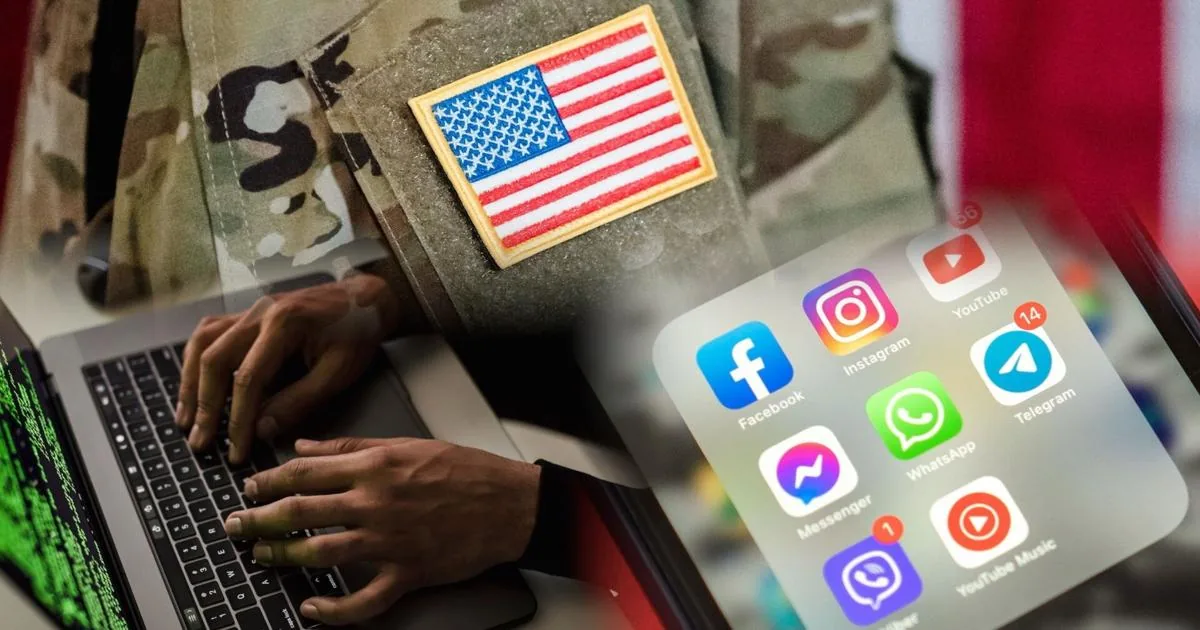
CHICAGO, IL — Scammers are increasingly going after veterans, active-duty service members and their families with fake messages that look like they come from trusted sources. The Better Business Bureau says the fraud often starts with a phone call, text or email that claims there is a problem with a VA account, a benefits payment or a personal record.
In some cases, the fake message says the veteran owes money, needs to verify information right away or must pay a fee to keep benefits from being delayed. Other schemes promise to increase disability payments, speed up a claim or unlock special access to benefits if the person pays first.
The BBB also warns about charity scams that appear around Veterans Day and use emotional appeals to pull in donations. These fake fundraisers may sound urgent and patriotic, but the money never reaches veterans in need.
The warning signs
- An unexpected call, text or email says it is from the VA or another government office and demands immediate action.
- The message asks for a Social Security number, bank account number, password or VA login information.
- You are told to pay a fee to get benefits, stop a penalty or speed up a claim.
- Someone promises guaranteed approval, secret benefits or a faster disability payment.
- The requester wants payment by wire transfer, cryptocurrency, gift card or a mobile payment app.
- A charity appeal uses strong emotion but does not clearly explain where donations go or how the money will be used.
If you've already paid or shared information
- Contact your bank or credit card company right away and ask whether any payments can be stopped or reversed.
- Change passwords for any accounts that may have been exposed, especially email, banking and VA-related logins.
- Check your credit reports and consider a credit freeze if personal information was shared.
- Review your bank statements and VA benefit information for unfamiliar charges or changes.
- Report the scam to the Federal Trade Commission at ReportFraud.ftc.gov.
- If you sent money through a payment app, wire service or gift card, contact that company immediately and ask what recovery steps are possible.
How to protect yourself
- Verify any VA communication by using the agency’s official website or published phone number instead of the contact information in a message.
- Never respond quickly just because a caller or email says the request is urgent.
- Work only with accredited benefits representatives and check their credentials before sharing personal details.
- Be skeptical of anyone who promises special treatment, secret programs or guaranteed results for a fee.
- Research charities before donating and look for clear information about how contributions are spent.
- Take time to review all account activity so small fraud attempts are easier to catch early.
The bottom line
Veterans and military families are being targeted because scammers know these households may trust messages that appear to involve benefits, service records or support for troops. The tactics can look polished, but the warning signs are often the same: urgency, secrecy, pressure and a request for money or personal information.
Taking a few extra minutes to verify a message can help prevent identity theft, financial loss and problems with benefits. If something feels off, slow down, check it through an official channel and report suspicious activity so others do not get caught in the same scheme.