How the scam works
WASHINGTON, DC — Cruise travelers with future sailings on the books are being warned about phishing emails that pretend to come from major cruise lines. The messages ask recipients to confirm booking information and, in some cases, provide payment card details under the guise of “verification.”
The scam works because the emails appear timely and relevant to someone who has already booked a trip. A traveler may see a familiar brand name, a reference to an upcoming sailing, and a request that sounds routine enough to be believable.
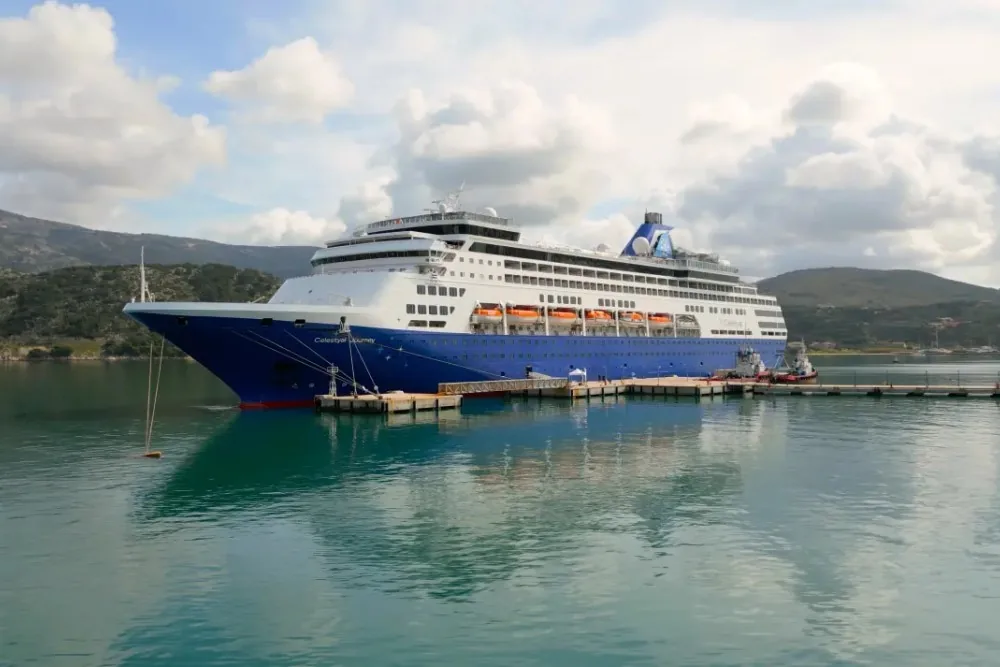
Celestyal said some guests received fraudulent emails claiming to be from the company. Norwegian Cruise Line has also warned guests about similar messages and says it is investigating reports of fake emails. In both cases, the key risk is that travelers may hand over personal or financial information to scammers instead of the real company.
The warning signs
- The email asks for booking details, address information, or credit card data through an unsolicited link.
- The message creates a sense of urgency, as if action is needed right away to keep a reservation in good standing.
- The sender address does not match the cruise line’s official email domain.
- The email asks you to click a link and enter information rather than directing you to a secure account you already know and trust.
- The wording feels generic, overly formal, or slightly off for a message from a company you have used before.
- The request comes unexpectedly, even though you have not contacted the cruise line with a question or account issue.
If you've already paid or shared information
- Contact your bank or credit card issuer right away and tell them the card details may have been exposed.
- Review recent account activity for charges you do not recognize and report anything suspicious quickly.
- Change the password for any cruise account, email account, or other account tied to the same login details.
- If you used the same password elsewhere, update those accounts as well so one breach does not spread.
- Consider placing a fraud alert or credit freeze with the credit bureaus if personal information was shared.
- Report the scam to the Federal Trade Commission at ReportFraud.ftc.gov.
How to protect yourself
- Do not click links in unexpected emails that ask for payment or personal information, even if the brand name looks familiar.
- Go directly to the cruise line’s official website or call the company using a phone number from a trusted source.
- Check the sender address carefully, since scammers often use names that look official at first glance.
- Use strong, unique passwords for travel accounts and email accounts so one compromised login does not open others.
- Turn on two-factor authentication wherever possible, especially for email and travel-related accounts.
- When in doubt, verify the message through a known customer service channel before replying or sharing any details.
The bottom line
Fake booking-verification emails are a reminder that scammers often focus on people who are expecting routine travel messages. That makes the requests look harmless, even when they are designed to steal money or personal data.
Travelers can protect themselves by slowing down, checking the sender, and going straight to the official company site instead of using links in an email. If a message asks for card details or other sensitive information unexpectedly, treat it as suspicious until you confirm it another way.