How the scam works
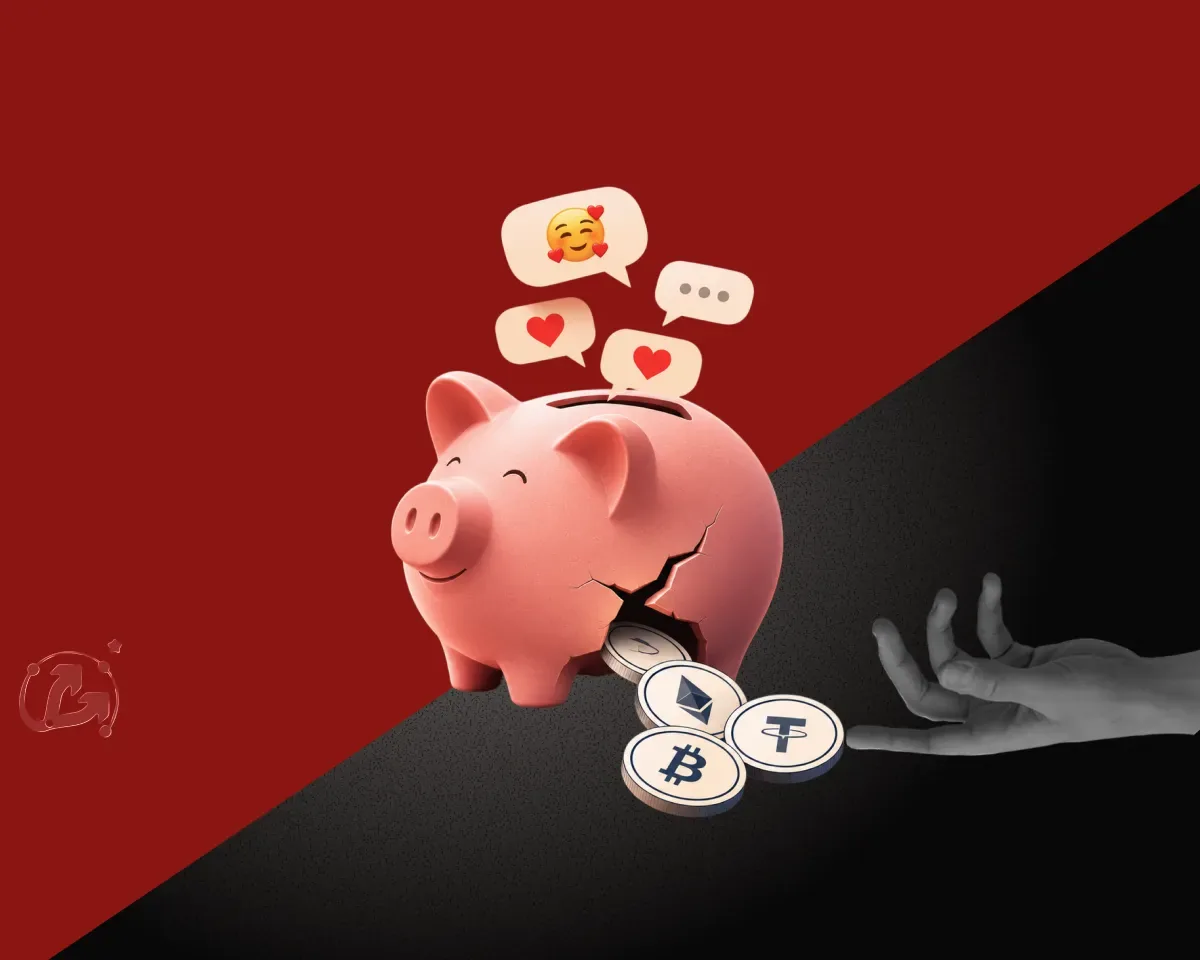
WASHINGTON, DC — Pig butchering is a long con that blends trust-building with fake investing. A stranger may start with a wrong-number text, a dating app message, or a friendly chat on social media, then slowly steer the conversation toward cryptocurrency or other trading opportunities.
Once the victim is engaged, the scammer keeps the relationship going for weeks or months. The goal is to make the person feel comfortable enough to send money into a platform that looks real but is controlled by criminals.
According to U.S. agencies, the fake account often shows rising profits on screen to encourage bigger deposits. Some victims are even allowed to withdraw a small amount at first, which helps convince them the platform is legitimate.
The scheme usually ends when the victim tries to pull out a larger sum. At that point, the site may freeze the account and demand extra payments labeled as taxes, fees, or fines before the money can be released.
The warning signs
- A stranger reaches out first with a message that seems accidental, such as a wrong-number text or a surprise hello.
- The person quickly pushes the conversation off the original app and onto WhatsApp, Telegram, WeChat, or another private chat service.
- After friendly small talk, the conversation turns to investing, trading, or easy money in crypto.
- The platform promises unusually high or steady returns with little risk.
- You are told to deposit more money in order to unlock profits or complete a withdrawal.
- The site asks for extra payments before releasing your own funds, especially under the names of taxes, fees, or penalties.
If you've already paid or shared information
- Contact your bank, card issuer, or crypto platform right away and report the transaction as fraud.
- Change passwords for email, financial accounts, and any app connected to the scammer, especially if you reused the same password elsewhere.
- Turn on two-factor authentication wherever possible so the criminal cannot easily get back into your accounts.
- Freeze your credit with the three major credit bureaus if you shared personal information that could be used to open accounts in your name.
- Gather every detail you can: usernames, phone numbers, wallet addresses, dates, amounts, screenshots, and links.
- File a report with the FTC at ReportFraud.ftc.gov and also consider a complaint with the FBI’s Internet Crime Complaint Center.
- Watch for follow-up scams. Crooks often target victims again with fake recovery services, fake lawyers, or offers to “help” get the money back.
How to protect yourself
- Be skeptical of investment tips from people you only know online, even if the conversation has gone on for weeks.
- Do not move money into a trading app or website just because someone you met online recommends it.
- Check whether a platform has a real track record, and do not assume an app store listing means it is safe.
- Be cautious if someone creates urgency and says the opportunity is limited or private.
- Never pay a fee to withdraw money that is supposedly already yours.
- Talk to a trusted friend, family member, or financial professional before sending money if anything feels rushed or unusual.
Scammers rely on isolation, embarrassment, and the hope of quick gains. A second opinion can slow the process long enough to spot the warning signs.
The bottom line
Pig butchering scams are built to feel personal, patient, and believable. The criminal first earns trust, then uses fake profits and fake platforms to drain real money from victims.
If a new online friend starts talking about investing, especially in crypto, take the conversation slowly and treat promises of easy returns as a major red flag. A pause to verify can make the difference between a safe choice and a costly loss.