How the scam works
WASHINGTON, DC — Scammers are using a familiar set of tricks to go after veterans, military families and older adults. They may claim to represent the Department of Veterans Affairs, promise a prize, or suggest there is a problem with benefits, taxes or account information that must be fixed right away.
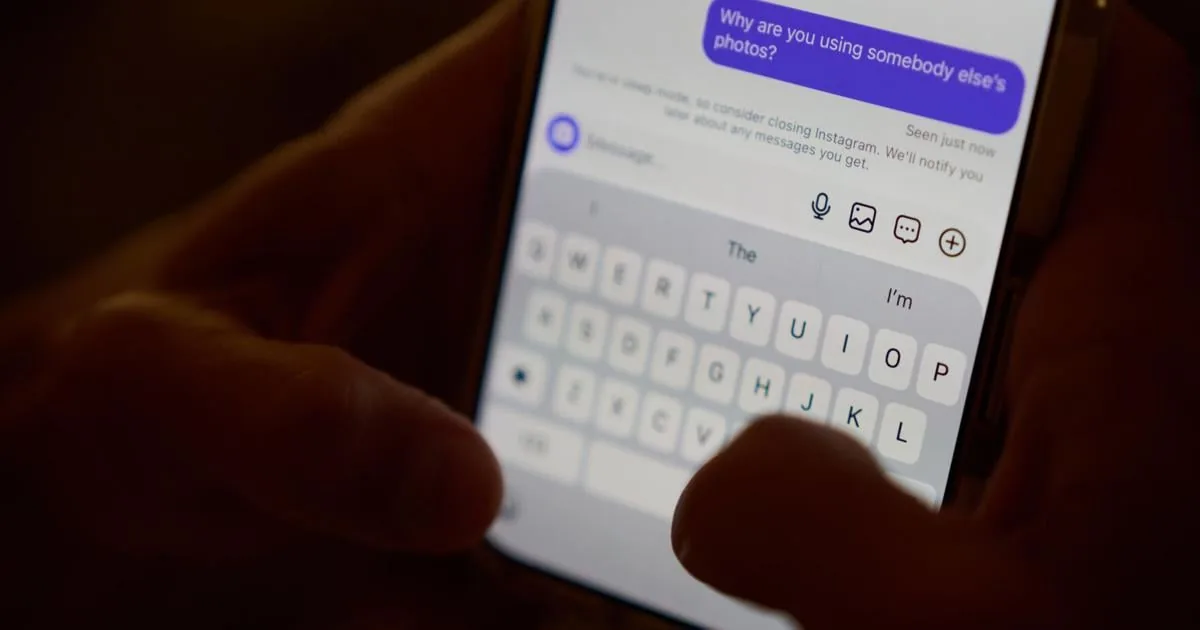
The pressure often starts with a text message, phone call, social media ad, email or even a message that looks like it came from someone you know. The goal is to push the victim into acting quickly before there is time to verify the story or talk it over with family.
One common version is the sweepstakes scam. A caller tells the victim that they have won a large prize, but first must send money for taxes, processing fees or delivery costs. In the Tennessee case described by Military.com, the victim was told to pay first and keep the supposed winnings secret, which helped the scammer maintain control.
The warning signs
- Someone claims you won a prize, but you must pay money before you can get it.
- The caller asks for gift card codes, wire transfers, prepaid card numbers or monthly payments.
- You are told to keep the offer secret from family, banks or advisers.
- The message says it is from the VA or another agency, but it arrives through an unexpected call, text or email.
- You are pressured to act immediately, before you can verify the request.
- The contact asks for sensitive personal information or tries to move the conversation off the usual channels.
If you've already paid or shared information
- Call your bank, credit card company or payment service right away and explain what happened.
- If you used gift cards, wire transfers or money transfer apps, report the transaction as soon as possible.
- Change passwords for email, banking and other important accounts if you shared login details.
- Place a fraud alert or credit freeze with the major credit bureaus if personal information may have been exposed.
- Report the scam to the FTC at ReportFraud.ftc.gov.
- Also file a report with the FBI’s Internet Crime Complaint Center and, for VA-related fraud, use VSAFE.gov or call 833-38V-SAFE.
How to protect yourself
- Remember that the VA does not charge veterans to apply for benefits.
- Do not share personal information with anyone who contacts you unexpectedly by phone, text or email.
- Pause before clicking links in messages, ads or search results that claim to offer benefits, prizes or urgent account help.
- Verify suspicious requests by using official phone numbers or websites you find yourself, not the contact information in the message.
- Talk with a trusted family member or friend before sending money or giving out private details.
- Use scam-protection tools on phones, tablets and computers to screen suspicious links and messages when possible.
The bottom line
Veterans are not the only people targeted by these schemes, but military service can give scammers an opening if they pretend to be from the VA or another trusted organization. The same warning applies to prize claims and money requests that arrive out of the blue.
A simple pause can make a major difference. If a message creates urgency, secrecy or a demand for payment, stop and verify it before sending money or sharing personal information.