How the scam works
TUPELO, MS — Romance scammers often build fake online identities around stolen photos, then use those profiles to strike up conversations with people looking for love or companionship. The goal is not a real relationship. It is to gain trust, create urgency and eventually ask for money.
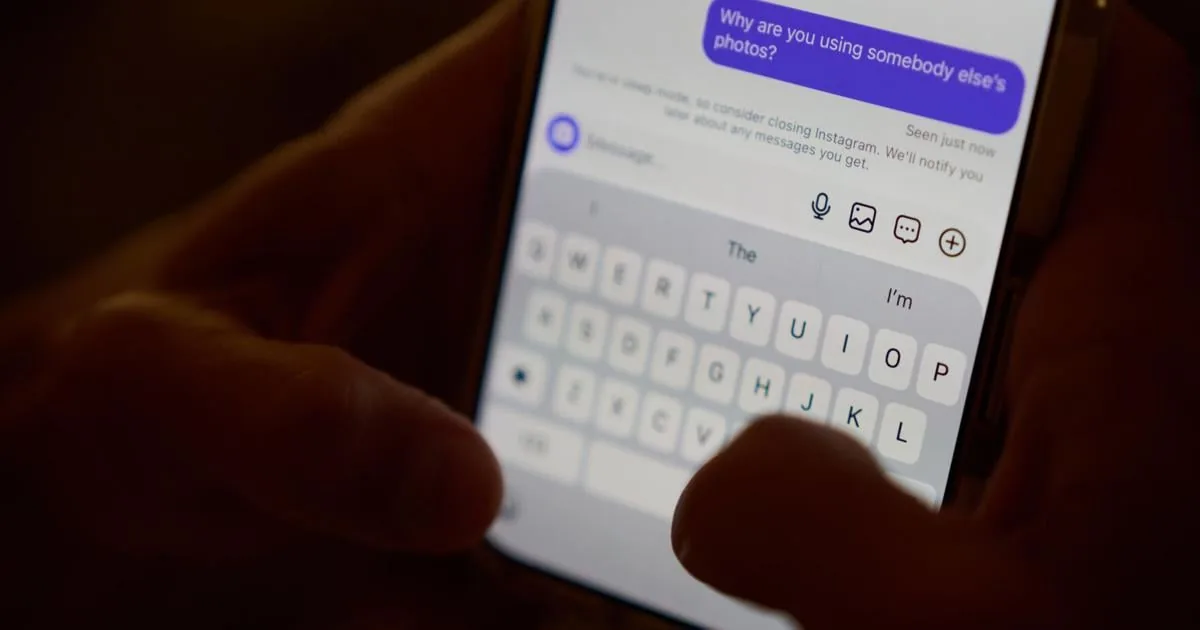
In one case highlighted by The Associated Press, scammers have used a Mississippi man’s photos for more than eight years to create hundreds of fake accounts. Those profiles have portrayed him as different men in different places, including a widowed petroleum geologist, a secret agent and an offshore oil worker. Victims who later realize they were cheated sometimes search for the face behind the profile and contact the real person instead.
That second wave of harm is often overlooked. The innocent person whose image was stolen can end up fielding angry messages, threats and pleas for help from people who believe he or she is the scammer. In the Mississippi case, the man said some victims have contacted him after losing money, and a few have threatened him and his family.
The warning signs
- The person you met online moves the relationship along very quickly and pushes for emotional commitment before you have had time to verify who they are.
- The profile uses attractive photos but provides few details, vague job information or a story that changes over time.
- The person says they are traveling, working offshore, deployed, widowed or otherwise unable to meet in person.
- Requests for money appear after a short time, often tied to an emergency, travel problem, medical need or account problem.
- The person avoids video calls, makes excuses for why they cannot talk live, or only sends carefully chosen photos.
- Search results or reverse-image checks suggest the same photo may be attached to many different names and accounts.
One reason these scams work is that they are built to lower a victim’s guard. A flattering message, repeated attention and a believable hardship story can make a fake profile seem real. Older adults can be targeted because scammers assume they may be lonely, trusting or less familiar with the latest fraud tactics.
If you've already paid or shared information
- Stop sending money immediately and do not send gift cards, wire transfers, cryptocurrency or cash to anyone you have not verified.
- Contact your bank, credit union, card issuer or payment app right away and ask whether any transfers can be stopped or reversed.
- Change passwords for email, banking and social media accounts if you shared login details or clicked suspicious links.
- Turn on two-factor authentication wherever it is available, especially for email and financial accounts.
- Place a fraud alert or credit freeze with the major credit bureaus if you shared Social Security, banking or other personal information.
- Report the scam to the FTC at ReportFraud.ftc.gov and, if needed, file a complaint with the FBI’s Internet Crime Complaint Center.
If you sent money through a payment app or wire service, contact that company as soon as possible and ask what protections or recovery steps are available. Save screenshots, usernames, phone numbers, receipts and chat logs, since those records can help investigators and your financial institution review the case.
How to protect yourself
- Verify people before you trust them by asking for a live video call and looking for signs that the person matches the profile photos.
- Be cautious if someone you have not met in person quickly professes strong feelings or pressures you to keep the relationship secret.
- Never send money to a romantic interest you have only known online, no matter how convincing the story may sound.
- Use reverse-image search tools to see whether a photo appears on many unrelated profiles or websites.
- Keep personal details private, especially financial information, home addresses, daily routines and copies of identity documents.
- Talk with a trusted friend or family member before making any payment, because an outside voice can spot warning signs you may miss.
It also helps to remember that a real person may be hiding behind the stolen photo, and that innocent person could be the next one to receive angry messages. If something feels off, slow down and verify every detail before you act.
The bottom line
Romance scams are painful because they exploit trust, but the damage can spread far beyond the person who loses money. Stolen photos can trap innocent people in a cycle of harassment while scammers keep creating new fake identities.
Careful verification, a healthy pause before sending money and a willingness to ask for outside help can make a major difference. If an online romance starts to feel rushed, secretive or expensive, treat that as a warning sign and step back.